Inula royleana
Inula royleana · Accepted scientific name
Scientific literature: Very Sparse (1 studies) · ★☆☆☆☆
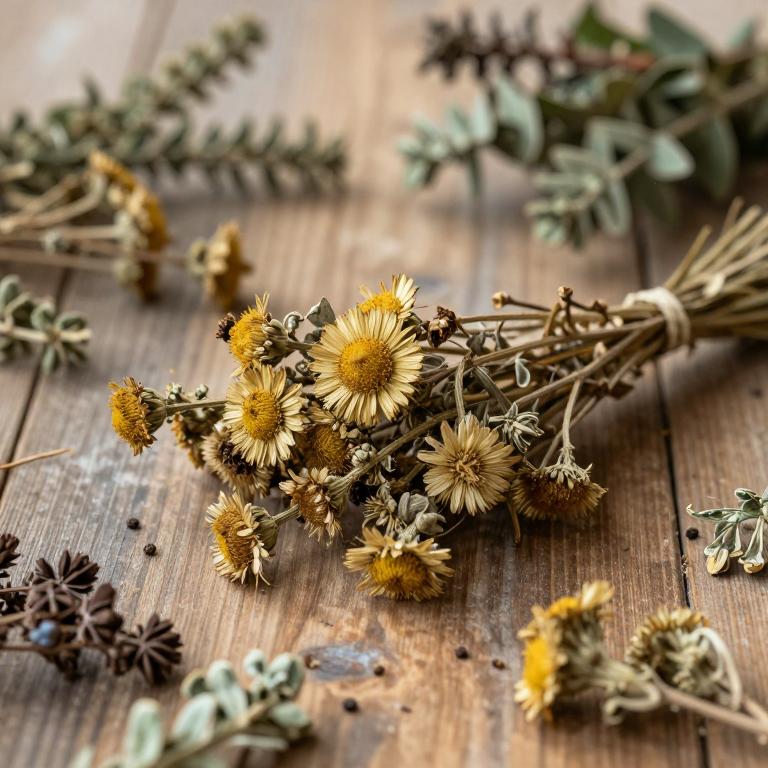
Inula royleanana, scientifically known as Inula royleana, is a remarkable medicinal herb native to the high-altitude Himalayan regions. Renowned for its potent therapeutic properties, this plant is traditionally utilized in various healing practices to treat respiratory ailments, skin conditions, and inflammatory issues, offering significant potential in modern pharmacology.
- Family
- Not available
- Native range
- Asia-Tropical
- Parts used
- Root
- Common names
- Not available
- Scientific synonyms
- Not available
Names and Synonyms
Scientific Names
Accepted name
Inula royleanaDistribution
This plant is primarily found within the vast expanse of the Indian Subcontinent. Specifically, its natural range includes the diverse landscapes of Pakistan. It also flourishes across the mountainous terrain of the West Himalaya. These specific regions provide the unique environmental conditions necessary for its survival. Consequently, its distribution is concentrated within these key South Asian territories.
| Region | Area |
|---|---|
| Indian Subcontinent | Pakistan |
| Indian Subcontinent | West Himalaya |
Sources: The World Checklist of Vascular Plants (WCVP)
Botanical Identification
Life history
The life history of Inula royleana is characterized by its status as a perennial organism, allowing it to persist through multiple growing seasons. As a perennial species, it undergoes a recurring biological cycle where it establishes a robust root system that supports its continuous presence in its natural habitat. Unlike annuals that complete their life cycle in a single season or biennials that require two, this plant maintains its physiological functions over several years, often exhibiting a variable growth pattern depending on environmental stability and resource availability. This long-term survival strategy enables the plant to accumulate biomass and reproductive potential over time, contributing to its stability within its ecological niche.
- Lifecycle :
- perennial
Morphology
The morphology of Inula royleana is characterized by its distinct growth form as a herb, which exhibits a non-woody texture throughout its structure. As a climber, it functions as a self-supporting organism, utilizing its physical structure to ascend without requiring a host. Furthermore, the plant is classified as an independent species, meaning it does not exhibit parasitic behavior and maintains its own nutritional and physiological processes.
- Climber :
- self-supporting
- Growth form :
- herb
- Parasite :
- independent
- Woodiness :
- non-woody
Reproduction
The reproduction of Inula royleana is characterized by a specific seasonal flowering cycle that facilitates its pollination processes. The plant's flowering period is relatively concentrated, with the onset of flowering typically occurring in August. This reproductive phase continues through the following month, reaching its conclusion in September. While the flowering duration is specifically noted within this late summer to early autumn window, the plant exhibits a degree of variability in its seasonal timing.
- Flowering time :
- Aug
- Flowering time :
- Sep
Sources: Global Inventory of Floras and Traits (GIFT)
Plant Parts
Inula royleana has 1 reported plant parts identified across 1 scientific publications and several other databases that are studied for medicinal purposes. The most consistently reported plant part include root.
| Plant part | Supporting sources | Consensus |
|---|---|---|
| Root | 1 supporting sources | ★☆☆☆☆ |
Root
- Indian journal of physiology and pharmacology
Preparations
Inula royleana has 1 reported preparations identified across 1 scientific publications and several other databases. The most consistently reported preparations include alkaloidal extract from the root.
| Preparation | Supporting sources | Consensus |
|---|---|---|
| Alkaloidal extract from the root | 1 supporting sources | ★☆☆☆☆ |
Alkaloidal extract from the root
- Indian journal of physiology and pharmacology