Intsia bijuga
Intsia bijuga · Accepted scientific name
Scientific literature: Very Sparse (0 studies) · ★☆☆☆☆
Intsia bijuga is a significant botanical species frequently studied for its diverse pharmacological potential. Recent investigations have specifically focused on the therapeutic properties of its leaves to address various medical concerns. Through the application of methanol extracts, researchers aim to isolate bioactive compounds capable of healing skin lesions. These studies are particularly relevant for the treatment of conditions such as the ulcer. Consequently, understanding the chemical profile of these extracts provides vital insights into natural wound-healing alternatives.
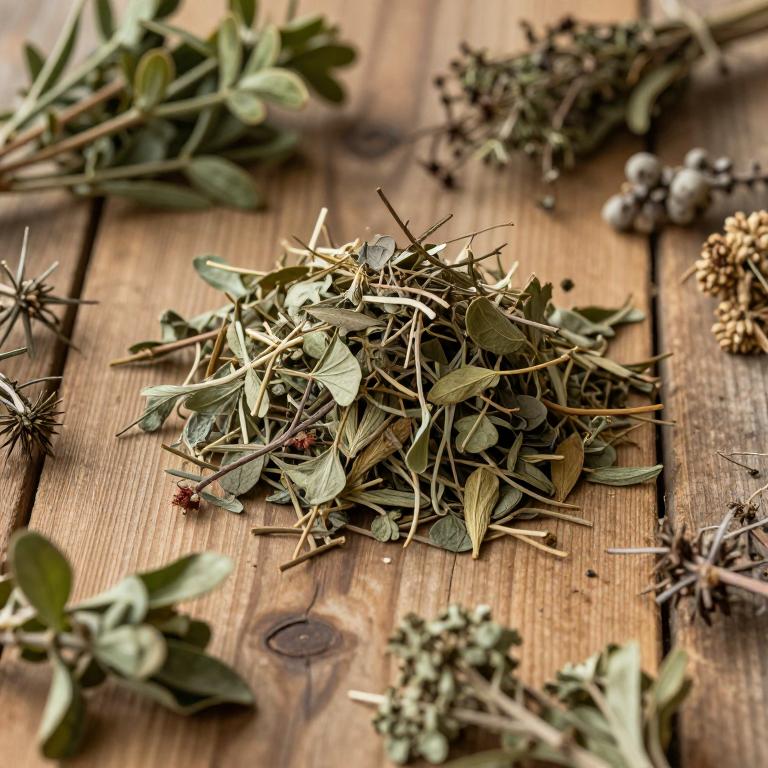
- Synonyms
- Macrolobium Bijugum · Outea Bijuga
- Common names
- Not available
- Family
- Fabaceae
- Distribution
- Not available
- Plant Parts
- Leaf
Classification
Common Names
Intsia bijuga is a remarkable tree species known by several distinct regional names. It is widely recognized by its common English names, Borneo Teak or Borneo-teak, which highlight its geographic origins. In certain areas, people may also refer to the plant as Dort or Hintsy. Furthermore, the species is known as Gõ nước in its native Vietnamese context. These various labels reflect the diverse cultural and linguistic connections surrounding this important timber tree.
Sources: Catalogue of Life (COL)
Synonyms
Intsia bijuga is a botanical species that is frequently identified through various taxonomic designations. In many scientific records, the plant is recognized by the synonym Macrolobium bijugum. It is also commonly documented under the alternative name Outea bijuga in certain historical contexts. These overlapping names reflect the evolving nature of botanical classification and nomenclature. Understanding these relationships is essential for researchers tracking the species across different global databases.
Sources: The World Checklist of Vascular Plants (WCVP)
Taxonomy
Intsia bijuga is a distinctive member of the kingdom Plantae. Within this vast biological realm, the species belongs to the class Equisetopsida. It is further classified under the order Fabales, which helps define its evolutionary lineage. As a prominent representative of the family Fabaceae, it shares characteristics with many other legumes. Ultimately, this plant is defined by its placement within the specific genus Intsia.
| Rank | Classification |
|---|---|
| Kingdom | Plantae |
| Phylum | Streptophyta |
| Class | Equisetopsida |
| Subclass | Magnoliidae |
| Order | Fabales |
| Family | Fabaceae |
| Genus | Intsia |
Sources: The World Checklist of Vascular Plants (WCVP)
Distribution
Geographic Regions
Intsia bijuga exhibits a wide and diverse distribution across various regions of the African continent. Within East Tropical Africa, this species establishes a notable presence specifically in Tanzania. Its reach extends further into the Western Indian Ocean, where it thrives in the unique environments of the Chagos Archipelago. The plant is also widely distributed throughout several key island nations, including Madagascar, Mauritius, and the Seychelles. This broad geographic range highlights the remarkable adaptability of the species within these tropical maritime ecosystems.
Sources: The World Checklist of Vascular Plants (WCVP)
Identification
Morphology
Intsia bijuga is a self-supporting tree characterized by its robust and sturdy growth form. This impressive species typically reaches a maximum height of 25 meters in many environments. However, under optimal conditions, it has the potential to soar to a height of up to 35 meters. Its significant stature makes it a notable presence within its native forest ecosystems.
Sources: Global Inventory of Floras and Traits (GIFT)
Biological Activities
Compounds
Conditions
Intsia bijuga contains methanol extracts from its leaves that demonstrate significant anti-ulcer activity. This plant was among several leguminosae species tested for its ability to inhibit gastric disturbances caused by HCl-ethanol. Specifically, the extract from I. bijuga showed more than 50% inhibition against the tested ulcerogen. Such efficacy positions this plant as a potential natural source for developing new medicinal treatments. These findings confirm that the species plays a functional role in addressing gastrointestinal mucosal defense issues.
Preparations
Intsia bijuga is prepared as methanol extracts to evaluate its potential anti-ulcer properties. These specific extracts were derived from the leaves of the plant for medicinal testing. During the study, the methanol extracts of Intsia bijuga demonstrated significant inhibitory activity against gastric ulcers. This particular preparation showed an inhibition rate of more than 50% when tested using HCl-ethanol as an ulcerogen. Consequently, the methanol extracts of this species serve as a key component in identifying new natural anti-ulcer agents.
Parts used
Intsia bijuga is a notable member of the Leguminosae family that has shown significant therapeutic potential in recent pharmacological studies. Researchers specifically focused on the medicinal properties of the plant's leaves to address gastrointestinal issues like ulcers. By utilizing methanol extracts derived from these leaves, the study evaluated the plant's ability to inhibit damage caused by ulcerogens. The results demonstrated that the leaf extracts of Intsia bijuga possess substantial anti-ulcer activity, contributing more than 50% inhibition. This finding supports the conclusion that such plant parts serve as valuable natural sources for developing new medicinal agents.