Indigofera longeracemosa
Indigofera longeracemosa · Accepted scientific name
Scientific literature: Very Sparse (0 studies) · ★☆☆☆☆
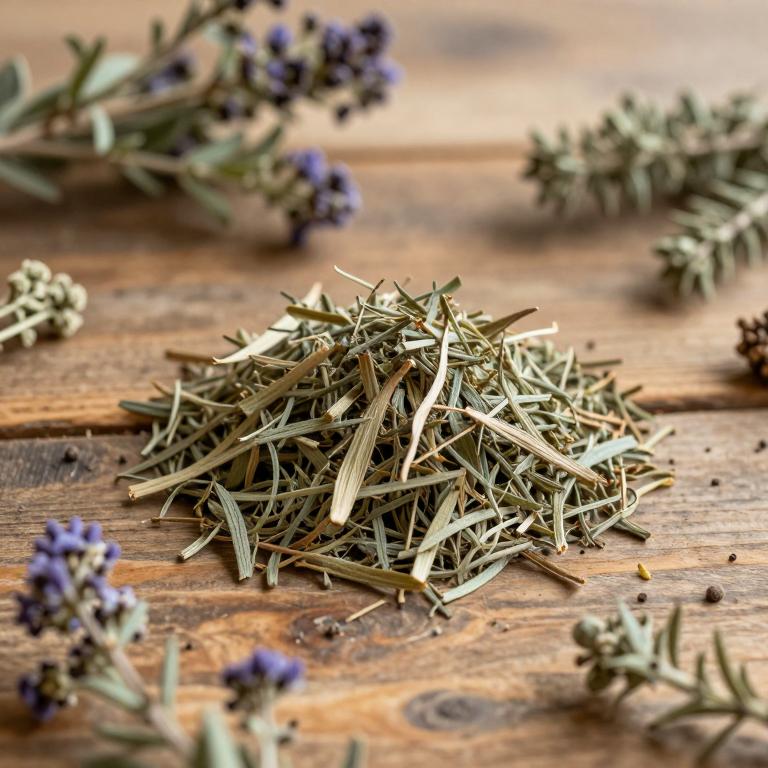
Indigofera longeracemosa is a noteworthy botanical species often studied for its unique chemical properties. This specific plant is primarily utilized through its robust stems to create various medicinal preparations. To ensure optimal quality, the harvested stems undergo a careful process of being air-dried. These air-dried stems serve as the foundational material for numerous traditional applications. Understanding the characteristics of these stems is essential for anyone researching the utility of this species.
- Synonyms
- Not available
- Common names
- Not available
- Family
- Fabaceae
- Distribution
- Southern America
- Plant Parts
- Stem
Classification
Common Names
Indigofera longeracemosa is a botanical specimen that is widely recognized by its common name, Aika. This unique plant carries a distinct identity that connects its scientific classification to its local nomenclature. Understanding the relationship between its formal Latin name and its familiar moniker helps enthusiasts identify it more easily in the field. By bridging the gap between taxonomy and common usage, the name Aika provides a sense of accessibility to this specific species. Such connections are essential for building a shared language among botanists and casual gardeners alike.
Sources: Catalogue of Life (COL)
Taxonomy
Indigofera longeracemosa is a distinct botanical specimen belonging to the vast kingdom Plantae. Within this diverse realm, the plant is classified under the class Equisetopsida. It specifically falls under the order Fabales, which helps define its evolutionary lineage. Further narrowing its identity, the species is a member of the legume family known as Fabaceae. Ultimately, it resides within the established genus Indigofera, marking its unique place in the natural world.
| Rank | Classification |
|---|---|
| Kingdom | Plantae |
| Phylum | Streptophyta |
| Class | Equisetopsida |
| Subclass | Magnoliidae |
| Order | Fabales |
| Family | Fabaceae |
| Genus | Indigofera |
Sources: The World Checklist of Vascular Plants (WCVP)
Distribution
Geographic Regions
Indigofera longeracemosa is a botanical species with a broad and diverse geographical distribution spanning multiple continents. Within the African continent, it is commonly found throughout East Tropical Africa, specifically inhabiting regions of Kenya and Tanzania. Its presence extends across the Western Indian Ocean, where it flourishes in the unique ecosystems of both Madagascar and the Comoros. Beyond the African coast, the plant also establishes itself within the tropical regions of Asia. Specifically, it can be located across the Indian Subcontinent, including various parts of India.
Sources: The World Checklist of Vascular Plants (WCVP)
Identification
Biological Activities
Compounds
Conditions
Preparations
Indigofera longeracemosa is prepared as air-dried stems to facilitate the extraction of specific chemical compounds. These dried stems undergo dichloromethane extraction to isolate various organic constituents. Following this process, repeated silica gel chromatography is utilized to refine the resulting extract. The separation process further employs reverse-phase HPLC to isolate a specific new decahydropyridoquinoline. This precise preparation method is essential for characterizing the plant's complex chemical profile.
Parts used
Indigofera longeracemosa serves as a significant source for the discovery of unique chemical compounds. Recent botanical research has successfully isolated a novel xanthene from the plant's stem. Specifically, the compound identified is 3-isopropyl-9a-methyl-1,2,4a,9a-tetrahydroxanthene. This finding highlights the chemical potential held within the structural components of the species. Such discoveries underscore the importance of studying the various parts of this plant for pharmacological advancement.