Indigofera aspalathoides
Indigofera aspalathoides · Accepted scientific name
Scientific literature: Very Sparse (4 studies) · ★☆☆☆☆
Indigofera aspalathoides is a medicinal plant recognized for its significant chemopreventive, antimicrobial, and hepatoprotective activities. The therapeutic potential of this species is largely driven by its bioactive chemical constituents, including Indigocarpan, Erythroxydiol X, Erythroxydiol Y, and Mucronulatol. Research indicates that these compounds are effective in addressing complex physiological conditions such as fibrosarcoma, various infections, and oxidative stress. To harness these benefits, scientists utilize diverse preparations ranging from aqueous and ethanolic extracts to advanced nanofibrous mats. Consequently, this plant remains a vital subject of study in the development of novel pharmacological treatments.
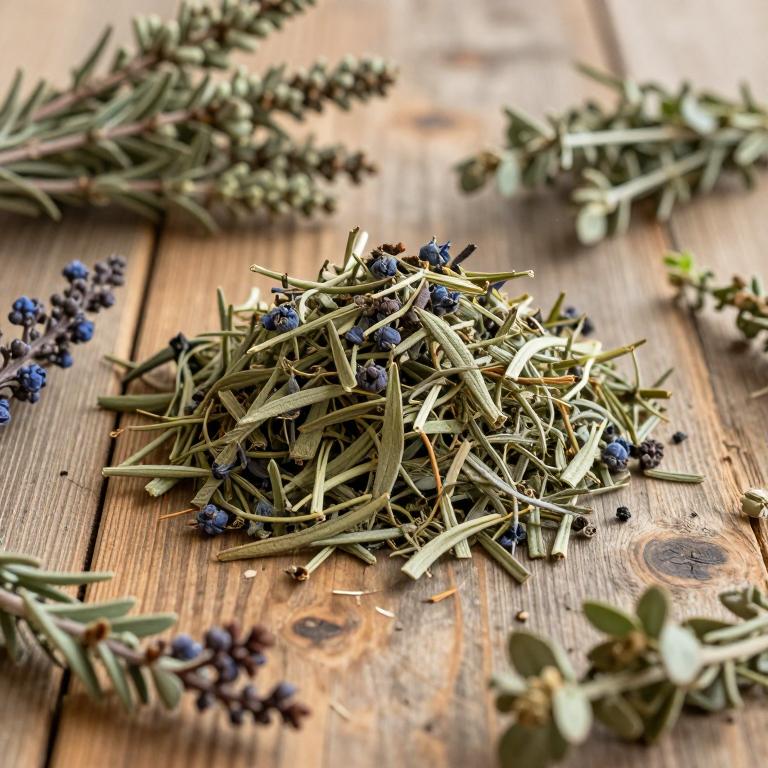
- Synonyms
- Anil Aspalathoides · Aspalathus Indica · 3 more
- Common names
- Not available
- Family
- Fabaceae
- Distribution
- Not available
- Plant Parts
- Not available
Classification
Common Names
Indigofera aspalathoides is a unique botanical species recognized by its distinctive local identity. In many regions, this plant is affectionately known by the Tamil name சிவனார் வேம்பு. This specific nomenclature highlights the cultural and traditional significance tied to the plant's presence in the ecosystem. Understanding these local names helps researchers bridge the gap between scientific classification and indigenous knowledge. Such linguistic relationships are essential for documenting the true heritage of diverse flora.
Sources: Catalogue of Life (COL)
Synonyms
Indigofera aspalathoides is a plant species known to be associated with several different botanical names. Throughout taxonomic history, it has been identified by various synonyms, including Anil aspalathoides and Anil indica. Researchers have also cataloged the plant under the names Aspalathus indica and Indigofera aspalathifolia. Additionally, the species is linked to the nomenclature Lotononis aspalathoides. Understanding these diverse naming relationships is essential for accurate scientific classification and botanical study.
Sources: The World Checklist of Vascular Plants (WCVP)
Taxonomy
Indigofera aspalathoides is a distinctive member of the kingdom Plantae. It belongs to the class Equisetopsida and is categorized under the order Fabales. Within this botanical hierarchy, the plant is classified under the family Fabaceae. It further holds its place within the specific genus Indigofera. This structured classification highlights its unique position within the natural world.
| Rank | Classification |
|---|---|
| Kingdom | Plantae |
| Phylum | Streptophyta |
| Class | Equisetopsida |
| Subclass | Magnoliidae |
| Order | Fabales |
| Family | Fabaceae |
| Genus | Indigofera |
Sources: The World Checklist of Vascular Plants (WCVP)
Distribution
Geographic Regions
Indigofera aspalathoides is a plant species with a significant presence throughout the tropical regions of Asia. Its natural distribution is concentrated primarily within the Indian Subcontinent, where it thrives in various local ecosystems. In addition to its prevalence in India, the species can also be found across the island nation of Sri Lanka. These geographic connections highlight the plant's importance within the specific environmental corridors of South Asia. Understanding these regional relationships provides valuable insight into the botanical landscape of the tropical Asian territories.
Sources: The World Checklist of Vascular Plants (WCVP)
Identification
Biological Activities
Indigofera aspalathoides is a medicinal plant recognized for its significant traditional importance and diverse therapeutic potential. Research has demonstrated that its aqueous extracts possess strong chemopreventive activity, particularly in reducing the growth of chemically induced fibrosarcomas in rats. Furthermore, the plant is well-regarded for its antimicrobial properties, which contribute to its use in addressing various infections. Studies involving biogenic selenium nanoparticles derived from the plant have also highlighted its remarkable hepatoprotective effects, specifically in protecting liver cells from oxidative stress. These combined biological activities underscore the potential of the species as a versatile resource for innovative nanomedicine and modern therapeutic strategies.
Compounds
Indigofera aspalathoides is a renowned medicinal herb in traditional Indian medicine that serves as a rich source of various bioactive constituents. Among its major chemical components, the plant contains indigocarpan, which has demonstrated significant potential in inhibiting cancer metastasis. Additionally, the plant's chemical profile includes mucronulatol, contributing to its diverse therapeutic properties. The presence of erythroxydiol X and erythroxydiol Y further characterizes the complex phytochemical makeup of this species. Together, these compounds highlight the botanical importance of the plant in pharmacological research.
Conditions
Indigofera aspalathoides demonstrates significant therapeutic potential by treating 20-methylcholanthrene-induced experimental fibrosarcoma through the modulation of xenobiotic drug metabolizing enzymes. This medicinal plant is traditionally recognized for its effective anti-inflammatory and antimicrobial properties. Its bioactive compounds can also be utilized in nanofibrous wound dressings to aid in the treatment of burns and wounds. Furthermore, research indicates that specific constituents like indigocarpan can control cancer metastasis by inhibiting matrix metalloproteinases MMP2 and MMP9.
Preparations
Indigofera aspalathoides is prepared as aqueous extract and aqueous extracts to test its chemopreventive and therapeutic efficacy against fibrosarcoma in rat models. The plant is also prepared as an ethanolic extract for the green synthesis of luminescent biogenic selenium nanoparticles aimed at enhancing hepatoprotective strategies. Additionally, Indigofera aspalathoides is prepared as plant extracts that can be utilized in combination with biodegradable polymers. These extracts are further processed into nanofibrous mats through electrospinning to serve as potential substrates for skin tissue engineering.