Illicium
Illicium · Accepted scientific name
Scientific literature: Very Sparse (0 studies) · ★☆☆☆☆
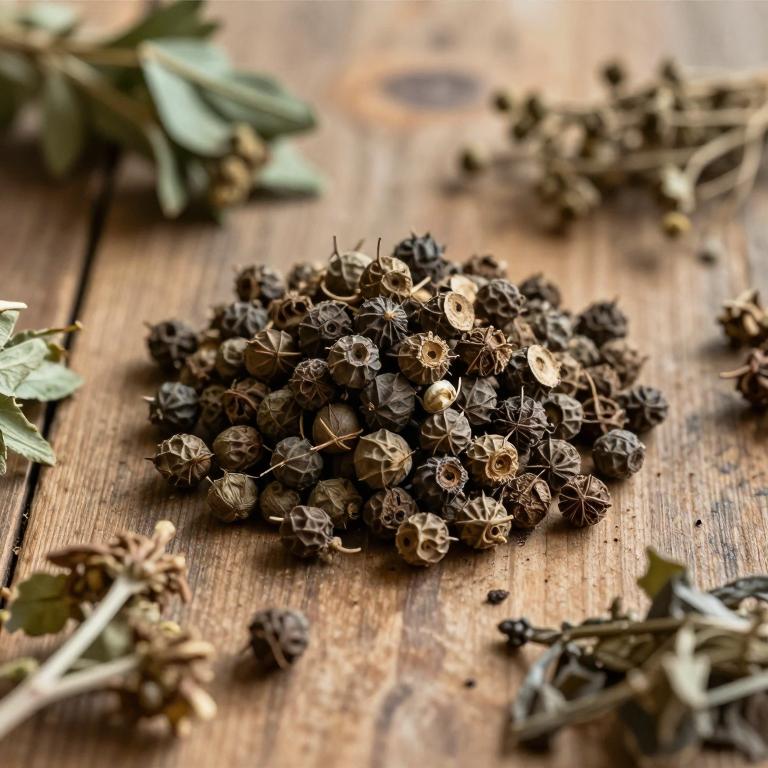
Illicium is a fascinating genus of flowering plants that includes several species renowned for their aromatic qualities. These shrubs and trees are most famous for producing star-shaped fruits that are widely used in culinary and medicinal traditions. A key chemical component found within these plants is shikimic acid, a vital precursor in many biochemical processes. This specific compound has gained significant global attention due to its role in the synthesis of antiviral medications. Understanding the unique chemical makeup of Illicium provides deep insight into its importance in both nature and modern science.
- Synonyms
- Cymbostemon · Badianifera
- Common names
- Not available
- Family
- Schisandraceae
- Distribution
- Not available
- Plant Parts
- Not available
Classification
Common Names
Illicium is a diverse genus of plants that is known by many different names across various cultures and languages. It is commonly referred to as Badianier or simply as anises due to its distinct aromatic properties. In certain regions, you may encounter it under the name Chi Hồi, reflecting its local significance. Scientific and linguistic variations also include terms such as Sternanis and the Danish Stjerneanis-slægten. Regardless of the name used, this plant remains a vital part of both botanical study and culinary traditions.
Sources: Catalogue of Life (COL)
Synonyms
Illicium is a genus of plants that is frequently identified through various botanical aliases. In many scientific records, the name Badianifera is recognized as a valid synonym for this group. Similarly, the term Cymbostemon serves as another historical synonym used to classify these species. Understanding these overlapping names is essential for researchers navigating complex taxonomic databases. Recognizing these linguistic variations ensures that botanical studies remain accurate and consistent across different literature.
Sources: The World Checklist of Vascular Plants (WCVP)
Taxonomy
Illicium belongs to the vast kingdom Plantae, encompassing a diverse array of living organisms. Within this botanical realm, the plant is classified under the class Equisetopsida. It further falls into the specific order Austrobaileyales, which helps define its evolutionary lineage. The plant is a member of the Schisandraceae family, showcasing its unique biological characteristics. Ultimately, it is defined by its own distinct genus, Illicium.
| Rank | Classification |
|---|---|
| Kingdom | Plantae |
| Phylum | Streptophyta |
| Class | Equisetopsida |
| Subclass | Magnoliidae |
| Order | Austrobaileyales |
| Family | Schisandraceae |
| Genus | Illicium |
Sources: The World Checklist of Vascular Plants (WCVP)
Distribution
Geographic Regions
Illicium is primarily distributed throughout the temperate regions of Asia, showing a strong presence across various parts of China. Its range extends through diverse Chinese landscapes, including the North-Central, South-Central, and Southeast territories. Additionally, the genus can be found thriving on the island of Hainan. Beyond the Chinese mainland, these plants also inhabit the eastern reaches of Asia, specifically within Japan. This widespread distribution highlights the plant's adaptability to different temperate climates across the continent.
Sources: The World Checklist of Vascular Plants (WCVP)
Identification
Biological Activities
Compounds
Illicium plants serve as vital biological reservoirs for several chemically significant compounds used in medicine and industry. Within this genus, the presence of anisatin is particularly noteworthy as it acts as a potent convulsant component in many species. Beyond its neurotoxic properties, the genus is also recognized as a primary natural source of shikimic acid. This specific acid is of immense global importance because it serves as a critical precursor in the production of the antiviral medication Tamiflu. Consequently, understanding the distribution and chemical makeup of Illicium is essential for both pharmaceutical manufacturing and the conservation of these valuable species.