Illicium macranthum
Illicium macranthum · Accepted scientific name
Scientific literature: Very Sparse (0 studies) · ★☆☆☆☆
Illicium macranthum is a botanical species notable for its complex chemical profile and pharmacological potential. Research into its composition has identified key bioactive compounds, including anisatin, 6-deoxypseudoanisatin, beta-sitosterol, and daucosterol. Scientists frequently investigate these properties through various extraction methods, such as methanol extracts and specialized fractions. Specifically, the EtOAc fraction and the dichloromethane-EtOAc (1:1) fraction serve as important tools for isolating these constituents. Understanding these chemical markers is essential for exploring the therapeutic applications of this plant.
- Synonyms
- Not available
- Common names
- Not available
- Family
- Schisandraceae
- Distribution
- Not available
- Plant Parts
- Not available
Classification
Taxonomy
Illicium macranthum belongs to the vast kingdom Plantae, representing a diverse group of multicellular organisms. Within this kingdom, the species is classified under the class Equisetopsida, marking its place among the flowering plants. It is further categorized into the order Austrobaileyales, a lineage that highlights its unique evolutionary history. This plant is a distinguished member of the genus Illicium, showcasing the specific traits characteristic of its group. Finally, it is nested within the family Schisandraceae, completing its botanical identity through these structured scientific relationships.
| Rank | Classification |
|---|---|
| Kingdom | Plantae |
| Phylum | Streptophyta |
| Class | Equisetopsida |
| Subclass | Magnoliidae |
| Order | Austrobaileyales |
| Family | Schisandraceae |
| Genus | Illicium |
Sources: The World Checklist of Vascular Plants (WCVP)
Distribution
Geographic Regions
Illicium macranthum is a distinctive species primarily distributed throughout the temperate regions of Asia. Within this broad geographical range, it finds a particularly strong presence across the landscapes of China. More specifically, the plant is frequently documented thriving in the South-Central provinces of the country. This localized concentration highlights the specific environmental conditions that support its natural growth patterns. Understanding these precise habitats is essential for studying the ecological role this species plays within its native territory.
Sources: The World Checklist of Vascular Plants (WCVP)
Identification
Biological Activities
Compounds
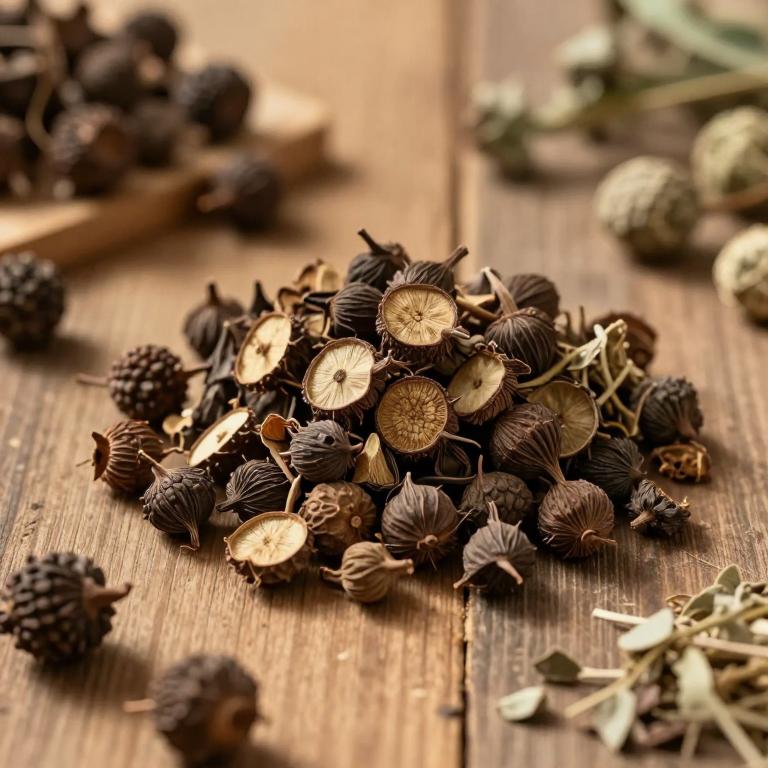
Illicium macranthum serves as a rich source of various bioactive chemical constituents found within its pericarp. Chemical analysis has revealed that this plant contains several notable sesquiterpene lactones, including anisatin and 6-deoxypseudoanisatin. Additionally, the presence of pseudomajucin further highlights the complex phytochemical profile of the species. Beyond these lactones, the plant also contains significant sterols such as beta-sitosterol and daucosterol. Together, these identified compounds underscore the diverse chemical makeup of Illicium macranthum.
Conditions
Preparations
Illicium macranthum is prepared as methanol extracts to facilitate the isolation of its chemical constituents. From these methanol extracts, the plant is further processed to produce an EtOAc fraction. Additionally, the plant is prepared as a dichloromethane-EtOAc (1:1) fraction for chemical analysis. These specific preparation methods allow researchers to identify various compounds from the pericarp. Through these distinct fractional preparations, multiple sesquiterpene lactones and other known compounds can be successfully isolated.