Ilex verticillata
Ilex verticillata · Accepted scientific name
Scientific literature: Very Sparse (15 studies) · ★☆☆☆☆
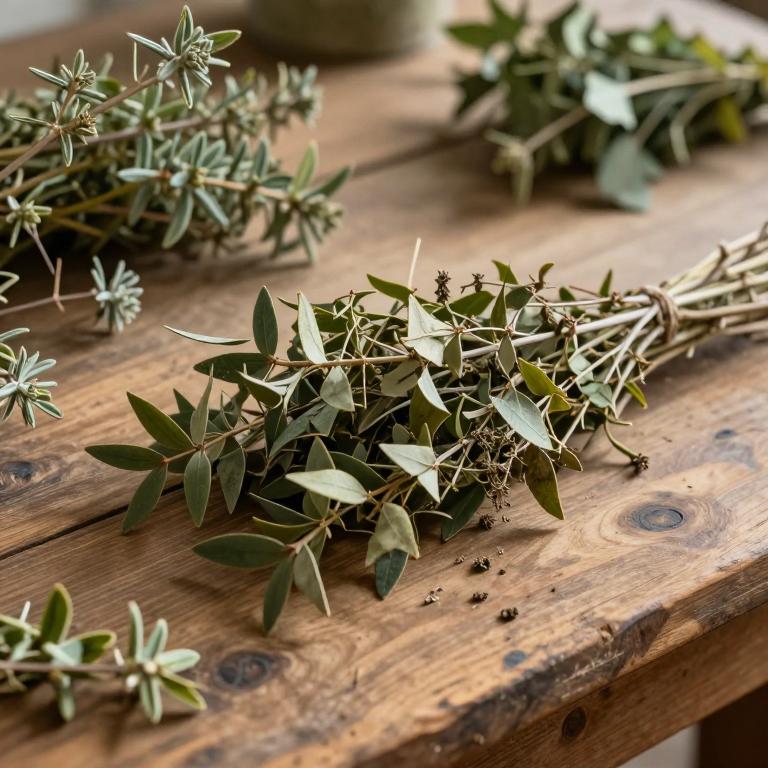
, scientifically known as Ilex verticillata, is a deciduous holly native to North American wetlands. Often called winterberry, this resilient shrub is valued for its vibrant red berries. Beyond its ornamental beauty, it holds traditional medicinal significance, historically used in various cultures for its potential therapeutic properties and antioxidant benefits.
- Family
- Not available
- Native range
- Northern America
- Parts used
- Not available
- Common names
- Not available
- Scientific synonyms
- Not available
Names and Synonyms
Scientific Names
Accepted name
Ilex verticillataDistribution
This plant is widely distributed across various regions within Eastern Canada. Its presence can be found throughout the province of New Brunswick. Additionally, it grows naturally in Newfoundland and Nova Scotia. The species is also common in the province of Ontario. Finally, its geographical range extends to Prince Edward Island.
| Region | Area |
|---|---|
| Eastern Canada | New Brunswick |
| Eastern Canada | Newfoundland |
| Eastern Canada | Nova Scotia |
| Eastern Canada | Ontario |
| Eastern Canada | Prince Edward I. |
| Eastern Canada | Québec |
| North-Central U.S.A. | Illinois |
| North-Central U.S.A. | Iowa |
| North-Central U.S.A. | Minnesota |
| North-Central U.S.A. | Missouri |
Sources: The World Checklist of Vascular Plants (WCVP)
Botanical Identification
Life history
The life history of Ilex verticillata is characterized by its status as a perennial species, allowing it to establish long-term presence within its wetland habitats. Throughout its lifecycle, the plant undergoes seasonal transitions that are highly specialized to its environment; it typically maintains a woody structure that survives through winter dormancy, often losing its leaves in a deciduous fashion before regenerating in the spring. As a perennial, it invests significant energy into root systems and woody biomass, which supports its ability to persist across multiple years rather than completing a cycle in a single season. This longevity enables the plant to participate in long-term ecological processes, such as stabilizing soil in marshes and contributing to the continuous succession of its native ecosystem.
- Lifecycle :
- perennial
Morphology
The morphology of Ilex verticillata is characterized by its robust and woody structure, primarily manifesting as a tree or shrub. The plant exhibits a woody habit and is classified as a self-supporting growth form rather than a climber. In terms of physical dimension, it reaches an average plant height of 5.46 m, contributing to its established presence in its natural habitat.
- Climber :
- self-supporting
- Growth form :
- tree
- Growth form :
- shrub
- Plant height mean:
- 5.46 m
- Woodiness :
- woody
Physiology
The physiology of Ilex verticillata is characterized by a specialized metabolic framework adapted to its temperate wetland habitats. Most notably, the plant utilizes a C3 photosynthetic pathway, which involves the direct fixation of carbon dioxide through the enzyme Rubisco during the Calvin cycle without the intermediate separation of carbon fixation and the Calvin cycle found in other pathways. This C3 mechanism is highly efficient in the moist, shaded, or partially submerged environments where the species typically thrives, allowing for effective biomass production under moderate light and temperature conditions. Beyond its carbon fixation strategy, the plant's physiological processes are heavily influenced by its ability to manage gas exchange and water regulation in saturated soils, often necessitating specific adaptations in root respiration and osmotic adjustment to maintain cellular homeostasis in hypoxic conditions.
- Photosynthetic pathway :
- C3
Reproduction
The reproduction of Ilex verticillata is characterized by a specific seasonal flowering window and the production of specialized fruit and seeds. The flowering period typically commences in April and concludes in May, though the timing can be variable. The plant produces fleshy fruits that facilitate dispersal via a zoochorous syndrome, meaning seeds are distributed by animals. The seeds themselves are relatively small, with a mean mass of approximately 0.0117 g, ranging from a minimum of 0.00493 g to a maximum of 0.066 g. In terms of physical dimensions, the seed volume is highly consistent, with both the minimum, maximum, and mean values recorded at 5.8 mm³.
- Dispersal syndrome :
- zoochorous
- Flowering time :
- Apr
- Flowering time :
- May
- Fruit dryness :
- fleshy
- Seed mass max:
- 0.066 g
- Seed mass mean:
- 0.0117366666666667 g
- Seed mass min:
- 0.00493 g
- Seed volume max:
- 5.8 mm³
Sources: Global Inventory of Floras and Traits (GIFT)
Chemicals
Ilex verticillata has 1 reported phytochemicals identified across 0 scientific publications and several other databases. The most consistently reported chemicals include Betulin.
| Chemical | Supporting sources | Consensus |
|---|---|---|
| Betulin | 1 supporting sources | ★☆☆☆☆ |
Betulin
- Dr. Duke
Activities
Ilex verticillata has 12 reported activities identified across 0 scientific publications and several other databases. The most consistently reported activities include AntiHIV, Anticarcinomic, Antifeedant, Antiflu, Antiinflammatory.
| Activity | Supporting sources | Consensus |
|---|---|---|
| AntiHIV | 1 supporting sources | ★☆☆☆☆ |
| Anticarcinomic | 1 supporting sources | ★☆☆☆☆ |
| Antifeedant | 1 supporting sources | ★☆☆☆☆ |
| Antiflu | 1 supporting sources | ★☆☆☆☆ |
| Antiinflammatory | 1 supporting sources | ★☆☆☆☆ |
| Antitumor | 1 supporting sources | ★☆☆☆☆ |
| Antiviral | 1 supporting sources | ★☆☆☆☆ |
| Aphidifuge | 1 supporting sources | ★☆☆☆☆ |
| Cytotoxic | 1 supporting sources | ★☆☆☆☆ |
| Hypolipemic | 1 supporting sources | ★☆☆☆☆ |
AntiHIV
- Dr. Duke
Anticarcinomic
- Dr. Duke
Antifeedant
- Dr. Duke
Antiflu
- Dr. Duke
Antiinflammatory
- Dr. Duke
Antitumor
- Dr. Duke
Antiviral
- Dr. Duke
Aphidifuge
- Dr. Duke
Cytotoxic
- Dr. Duke
Hypolipemic
- Dr. Duke