Ilex cassine
Ilex cassine · Accepted scientific name
Scientific literature: Very Sparse (0 studies) · ★☆☆☆☆
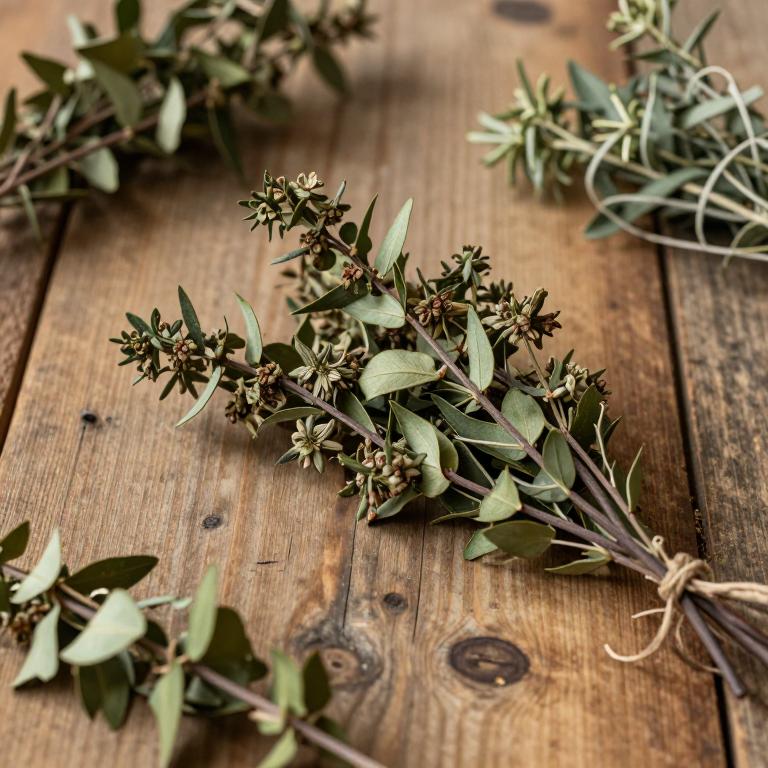
Ilex cassine, commonly known as the dendro Oleaster or wax myrtle, is a versatile evergreen shrub native to the southeastern United States. This resilient species is easily identified by its glossy, leathery leaves that provide year-round texture to any landscape. The dark green foliage offers a dense backdrop that serves as an excellent screen or privacy hedge. Each leaf is shaped to maximize sunlight absorption, helping the plant thrive in both sunny and shaded habitats. Understanding the unique characteristics of its foliage is key to incorporating this hardy plant into a diverse garden design.
- Synonyms
- Not available
- Common names
- Not available
- Family
- Aquifoliaceae
- Distribution
- Southern America
- Plant Parts
- Leaf
Classification
Common Names
Ilex cassine is a versatile evergreen shrub known by a variety of distinct regional names. Many gardeners and botanists commonly refer to this species as the Dahoon Holly or simply the Cassine Holly. In certain areas, it is also recognized by the names Cassena or Cassine to distinguish it from other species. You might even encounter it called Houx Cassine, depending on the local dialect or historical context. Regardless of the name used, this plant remains a staple in southern landscapes due to its striking appearance.
Sources: Catalogue of Life (COL)
Taxonomy
Ilex cassine belongs to the diverse kingdom Plantae, representing a vital part of the natural world. Within this vast kingdom, the species is classified under the class Equisetopsida. It further resides in the order Aquifoliales, which helps define its evolutionary lineage. This plant is a member of the genus Ilex, a group known for its distinctive characteristics. Finally, it is categorized under the family Aquifoliaceae, completing its biological identity.
| Rank | Classification |
|---|---|
| Kingdom | Plantae |
| Phylum | Streptophyta |
| Class | Equisetopsida |
| Subclass | Magnoliidae |
| Order | Aquifoliales |
| Family | Aquifoliaceae |
| Genus | Ilex |
Sources: The World Checklist of Vascular Plants (WCVP)
Distribution
Geographic Regions
Ilex cassine exhibits a broad and diverse geographic range that extends throughout much of Northern America. Within the borders of Mexico, this species establishes a significant presence across various distinct regions. It can be found inhabiting the central territories as well as the lush areas along the Gulf coast. Furthermore, its distribution reaches into the northeast and northwest sectors of the country. Finally, the plant completes its extensive coverage by spreading through the arid landscapes of the Mexican southwest.
Sources: The World Checklist of Vascular Plants (WCVP)
Identification
Morphology
Ilex cassine is a self-supporting species that typically takes the form of a tree. It reaches a maximum height of approximately 7.91 meters as it matures. This growth habit makes it a distinctive element in its natural landscape.
Sources: Global Inventory of Floras and Traits (GIFT)
Biological Activities
Compounds
Conditions
Preparations
Parts used
Ilex cassine serves as a significant subject of study within the broader research on caffeine-containing holly species. Scientists specifically utilized the leaf of this plant to perform comparative metabolite profiling through liquid chromatography-mass spectrometry. By analyzing these leaf samples, researchers aimed to identify unique chemotaxonomic markers and assess overall chemodiversity within the genus. While other species showed high levels of purine alkaloids, the analysis of Ilex cassine helped clarify its chemical distinction from traditional tea sources. Ultimately, the study of its leaf components provides essential data for delimiting species and understanding the evolutionary relationships among Aquifoliaceae.