Ilex buxifolia
Ilex buxifolia · Accepted scientific name
Scientific literature: Very Sparse (0 studies) · ★☆☆☆☆
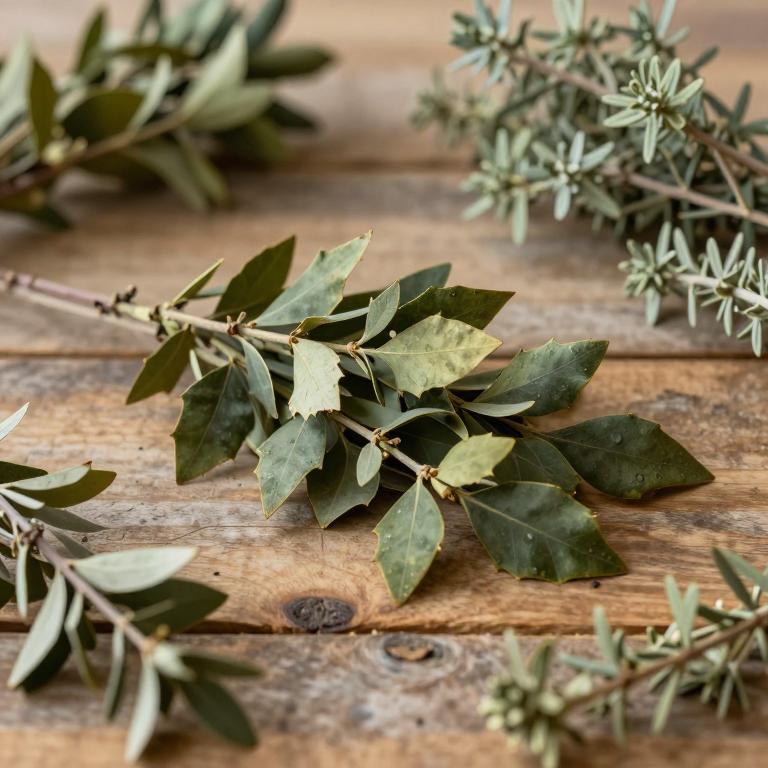
Ilex buxifolia is a distinctive shrubby species known for its compact and resilient growth habit. This plant is particularly valued by gardeners for its dense, evergreen foliage that provides year-round texture. Each individual leaf is small, glossy, and tightly packed along the stems to create a lush appearance. These leaves serve as a vital structural element, offering both privacy and aesthetic appeal to any landscape design. Understanding the unique characteristics of its leaf structure is essential for cultivating this ornamental beauty successfully.
- Synonyms
- Not available
- Common names
- Not available
- Family
- Aquifoliaceae
- Distribution
- Not available
- Plant Parts
- Leaf
Classification
Taxonomy
Ilex buxifolia belongs to the diverse kingdom Plantae, showcasing the vast complexity of the botanical world. Within this kingdom, it is classified under the class Equisetopsida, marking its place among fundamental vascular plants. It further resides in the order Aquifoliales, a group that helps define its evolutionary lineage. As a member of the family Aquifoliaceae, it shares specific structural characteristics with its close botanical relatives. Ultimately, this species is defined by its placement within the genus Ilex, distinguishing it from other members of its lineage.
| Rank | Classification |
|---|---|
| Kingdom | Plantae |
| Phylum | Streptophyta |
| Class | Equisetopsida |
| Subclass | Magnoliidae |
| Order | Aquifoliales |
| Family | Aquifoliaceae |
| Genus | Ilex |
Sources: The World Checklist of Vascular Plants (WCVP)
Distribution
Geographic Regions
Ilex buxifolia is a distinctive plant species primarily found within the diverse landscapes of Southern America. Its natural range is most notably concentrated throughout the lush territories of Brazil. Within this region, the plant shows a particular preference for the unique environmental conditions of Brazil Southeast. This specific distribution pattern highlights the importance of the South American climate to its survival. Understanding these geographic relationships provides essential insight into the ecological niche this species occupies.
Sources: The World Checklist of Vascular Plants (WCVP)
Identification
Morphology
Ilex buxifolia maintains a distinct shrub growth form that adds structure to any landscape. As a self-supporting plant, it stands firmly on its own without the need for external support.
Sources: Global Inventory of Floras and Traits (GIFT)
Biological Activities
Compounds
Conditions
Preparations
Parts used
Ilex buxifolia serves as a significant subject in the study of triterpenoid glycosides found within Brazilian plant species. Researchers have successfully isolated specific compounds, such as buxifolioside I and buxifolioside II, directly from the leaf of this plant. These chemical constituents are essential for distinguishing the species from "erva mate," which is commonly adulterated with other Ilex varieties. The analysis of these leaf-derived triterpenoids provides a reliable method for detecting such botanical substitutions. Furthermore, the study highlights the potential medicinal value of these compounds through their observed in vitro antitrypanosomal activity.