Ilex affinis
Ilex affinis · Accepted scientific name
Scientific literature: Very Sparse (0 studies) · ★☆☆☆☆
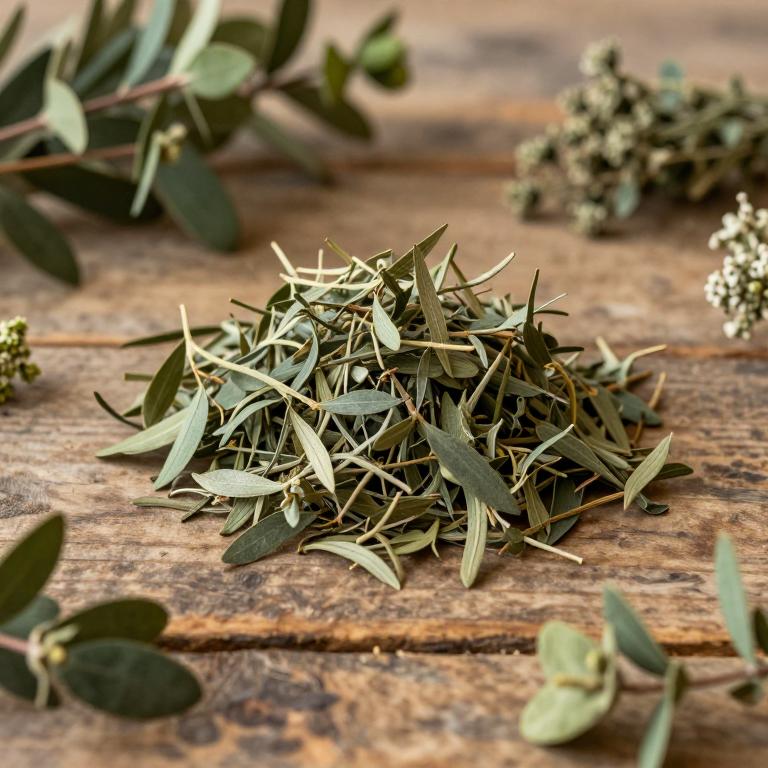
Ilex affinis is a versatile evergreen shrub known for its dense and attractive foliage. The plant is primarily characterized by its small, glossy leaves that provide a lush texture to any landscape. These leaves often exhibit a deep green hue, making them a reliable backdrop for seasonal flowers. Due to the durability of its foliage, this species serves as an excellent choice for hedges or privacy screens. Understanding the unique qualities of its leaves is essential for any gardener looking to incorporate this species into their collection.
- Synonyms
- Ilex Affinis Var. Genuina · Ilex Affinis F. Stenothyrsa · 8 more
- Common names
- Not available
- Family
- Aquifoliaceae
- Distribution
- Not available
- Plant Parts
- Leaf
Classification
Common Names
Ilex affinis is a botanical species recognized by a diverse array of regional names. Within various local traditions, it is frequently referred to as Catuaba do mato or Caá-chi. Depending on the specific geographic area, it may also be known as Caá-chiri. Other common monikers for this plant include Conconha-do-campo and Congonha-de-goiás. These multiple identities highlight the plant's deep integration into different linguistic and cultural landscapes.
Sources: Catalogue of Life (COL)
Synonyms
Ilex affinis is a complex botanical species that encompasses several distinct taxonomic variations. Within its classification, it is recognized through multiple synonyms, including the forms f. brachyphylla and f. medica. The plant also includes the specific form known as f. stenothyrsa. Further diversity is noted in its varieties, specifically Ilex affinis var. angustifolia. Finally, the species is also identified by the synonym Ilex affinis var. apollinis.
Sources: The World Checklist of Vascular Plants (WCVP)
Taxonomy
Ilex affinis belongs to the diverse kingdom Plantae, representing a unique branch of the natural world. This specific species is classified under the class Equisetopsida and follows the biological order of Aquifoliales. Within this structural hierarchy, it is further categorized into the family Aquifoliaceae. It also holds a prominent place within the genus Ilex, which defines many of its shared characteristics. Understanding these scientific relationships provides essential insight into the botanical identity of this plant.
| Rank | Classification |
|---|---|
| Kingdom | Plantae |
| Phylum | Streptophyta |
| Class | Equisetopsida |
| Subclass | Magnoliidae |
| Order | Aquifoliales |
| Family | Aquifoliaceae |
| Genus | Ilex |
Sources: The World Checklist of Vascular Plants (WCVP)
Distribution
Geographic Regions
Ilex affinis is a plant species with a broad and diverse distribution across South America. It is primarily found throughout various regions of Brazil, showcasing a significant presence in the country. Specifically, its range extends into the Northeast, South, and Southeast territories. The species also inhabits the North and West-Central regions of Brazil. This widespread presence highlights the adaptability of the plant within different South American ecosystems.
Sources: The World Checklist of Vascular Plants (WCVP)
Identification
Morphology
Ilex affinis is a self-supporting plant that takes on the distinct growth form of a tree. Depending on its specific environmental conditions, this species typically reaches a maximum height of around 6 meters. In some ideal circumstances, however, it can grow even larger to achieve a height of up to 12 meters. This versatile size range makes it a flexible choice for various landscaping needs.
Sources: Global Inventory of Floras and Traits (GIFT)
Biological Activities
Compounds
Conditions
Preparations
Parts used
Ilex affinis is a botanical species that plays a significant role in the study of triterpenoid glycosides. Researchers have successfully isolated specific chemical compounds, such as affinoside 1, directly from the leaf of this plant. These findings are particularly important because Ilex affinis is often identified as an adulterant species in "erva mate" products. By analyzing the unique triterpenoids found in the leaves, scientists can better detect the presence of such adulteration. Ultimately, this research reinforces the chemical specificity used to distinguish various Ilex species in commercial applications.