Hyptis
Hyptis · Accepted scientific name
Scientific literature: Very Sparse (0 studies) · ★☆☆☆☆
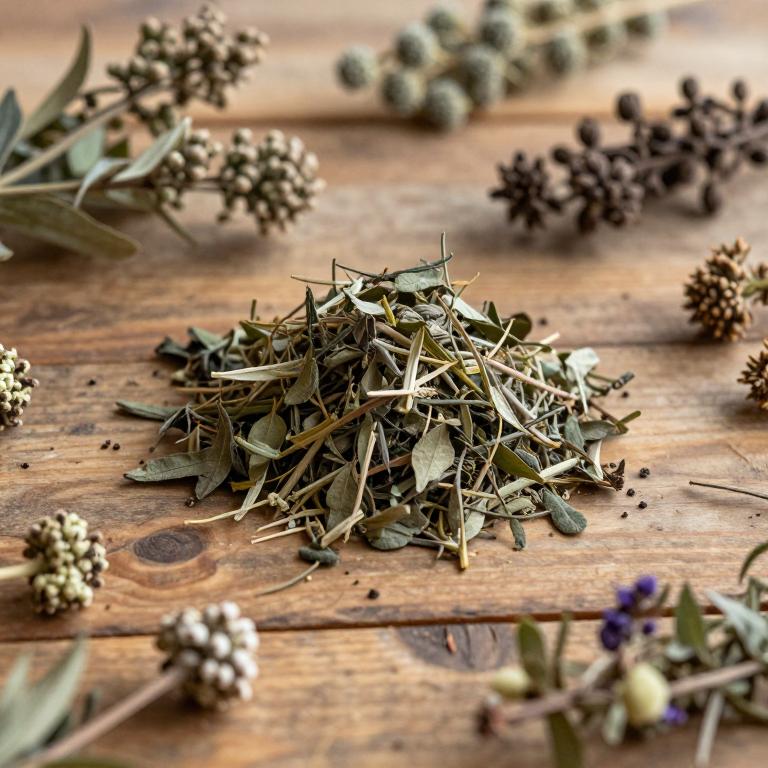
Hyptis is a diverse genus of aromatic plants belonging to the Lamiaceae family. These versatile herbs are widely recognized across tropical regions for their distinct, fragrant foliage. Many cultures utilize the plant for its various medicinal properties and therapeutic benefits. One of the most common ways to harness its potency is through the preparation of infusions. By steeping the leaves in hot water, users can easily extract the plant's bioactive compounds for wellness purposes.
- Synonyms
- Hypothronia · Peltodon
- Common names
- Not available
- Family
- Lamiaceae
- Distribution
- Southern America
- Plant Parts
- Not available
Classification
Common Names
Hyptis is a versatile genus known by various names across different linguistic landscapes, including the Chinese designation 山香属. In regions where Tagalog is spoken, it is referred to as Kaarangay, while in Russian, it is commonly called Хиптис. The plant also carries the Arabic classification تصنيف:نعناع دغلي and is identified in Telugu as హిప్టిస్. These diverse common names reflect the widespread global presence and cultural integration of this unique plant species. Understanding these regional variations helps researchers and gardeners navigate its botanical identity across the world.
Sources: Catalogue of Life (COL)
Synonyms
Hyptis is a diverse genus of plants that has undergone various taxonomic reclassifications over time. Within botanical literature, researchers may encounter the name Hypothronia, which serves as a formal synonym for the genus. Additionally, the name Peltodon is recognized as another synonymous designation used to describe members of this group. Understanding these overlapping names is essential for accurate identification and scientific communication. Navigating these synonymies ensures that botanists can maintain consistency when studying the evolutionary history of the plant.
Sources: The World Checklist of Vascular Plants (WCVP)
Taxonomy
Hyptis belongs to the vast kingdom Plantae, representing the diverse world of multicellular organisms. Within this kingdom, it is classified under the class Equisetopsida, marking its place among the vascular plants. Its evolutionary lineage continues through the order Lamiales, a group known for specific structural characteristics. This plant is further nested within the family Lamiaceae, which connects it to the well-known mint family. Ultimately, Hyptis defines its own unique genus, distinguishing its specific biological identity.
| Rank | Classification |
|---|---|
| Kingdom | Plantae |
| Phylum | Streptophyta |
| Class | Equisetopsida |
| Subclass | Magnoliidae |
| Order | Lamiales |
| Family | Lamiaceae |
| Genus | Hyptis |
Sources: The World Checklist of Vascular Plants (WCVP)
Distribution
Geographic Regions
Hyptis exhibits a broad geographical presence throughout the African continent, spanning various ecological zones. In East Tropical Africa, the genus is widely distributed across nations such as Kenya, Tanzania, and Uganda. Its reach extends further into Northeast Tropical Africa, where it can be found within the regions of Sudan and South Sudan. Additionally, the plant maintains a significant presence in South Tropical Africa, specifically within Angola. This diverse range highlights the plant's ability to adapt to multiple distinct environments across the continent.
Sources: The World Checklist of Vascular Plants (WCVP)
Identification
Biological Activities
Compounds
Conditions
Preparations
Hyptis is frequently prepared as infusions within rural areas of Latin America. This specific method of preparation is a popular practice among various local populations. In Ecuador, different ethnic groups utilize these infusions as part of their traditional medicinal knowledge. The study highlights how these herbal preparations are central to the ethnobotanical culture of the region. Consequently, the use of Hyptis in infusion form serves as a key subject for investigating its potential chemical benefits.