Hypericum lysimachioides var. lysimachioides
Hypericum lysimachioides var. lysimachioides · Accepted scientific name
Scientific literature: Very Sparse (2 studies) · ★☆☆☆☆
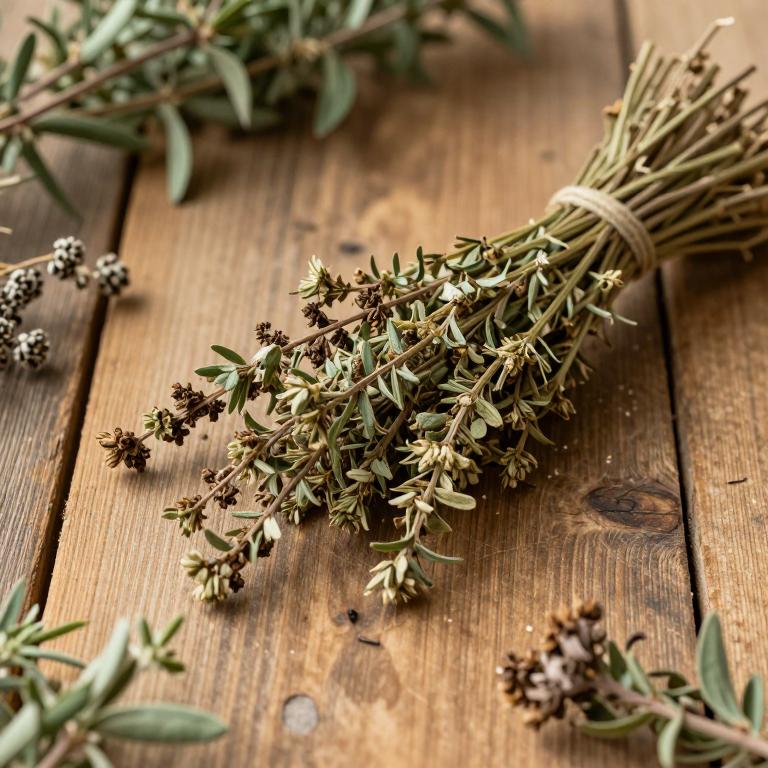
, scientifically known as Hypericum lysimachioides var. lysimachioides, is a distinctive medicinal herb belonging to the Hypericaceae family. Often found in moist habitats, this plant is valued in traditional medicine for its unique phytochemical properties, offering potential therapeutic benefits in treating various ailments through its diverse bioactive compounds.
- Family
- Hypericaceae
- Native range
- Asia-Temperate
- Parts used
- Not available
- Common names
- Not available
- Scientific synonyms
- Hypericum Leichtlinii · Hypericum Callianthum
Names and Synonyms
Scientific Names
Accepted name
Hypericum lysimachioides var. lysimachioidesSynonyms
- Hypericum leichtlinii
- Hypericum callianthum
Sources: Wikidata
Taxonomical Classification
This plant belongs to the kingdom Plantae and is classified under the phylum Streptophyta within the class Equisetopsida. Following the subclass Magnoliidae, it is categorized under the order Malpighiales and the family Hypericaceae. Ultimately, its scientific identity is defined by the genus Hypericum, specifically the variety lysimachioides.
| Rank | Classification |
|---|---|
| Kingdom | Plantae |
| Phylum | Streptophyta |
| Class | Equisetopsida |
| Subclass | Magnoliidae |
| Order | Malpighiales |
| Family | Hypericaceae |
| Genus | Hypericum |
Sources: The World Checklist of Vascular Plants (WCVP)
Distribution
This plant is a specific variety of Hypericum that maintains a distinct regional presence within Western Asia. Its natural range is concentrated across several key territories in this part of the world. Specifically, it can be found growing in the landscapes of Iran. The species also inhabits various regions throughout Iraq. Additionally, its geographical distribution extends into the territory of Türkiye.
| Region | Area |
|---|---|
| Western Asia | Iran |
| Western Asia | Iraq |
| Western Asia | Türkiye |
Sources: The World Checklist of Vascular Plants (WCVP)
Chemicals
Hypericum lysimachioides var. lysimachioides has 1 reported phytochemicals identified across 0 scientific publications and several other databases. The most consistently reported chemicals include Caryophyllene oxide.
| Chemical | Supporting sources | Consensus |
|---|---|---|
| Caryophyllene oxide | 1 supporting sources | ★☆☆☆☆ |
Caryophyllene oxide
- Fitoterapia
Preparations
Hypericum lysimachioides var. lysimachioides has 1 reported preparations identified across 0 scientific publications and several other databases. The most consistently reported preparations include essential oils.
| Preparation | Supporting sources | Consensus |
|---|---|---|
| Essential oils | 1 supporting sources | ★☆☆☆☆ |
Essential oils
- Fitoterapia