Hypericum jovis
Hypericum jovis · Accepted scientific name
Scientific literature: Very Sparse (0 studies) · ★☆☆☆☆
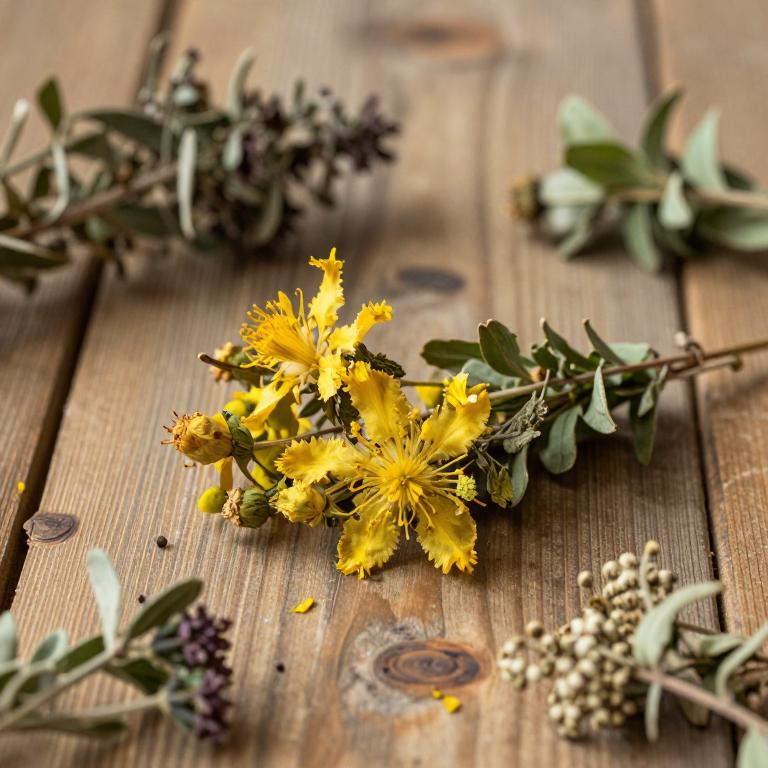
Hypericum jovis is a unique botanical species that has garnered significant interest within the field of phytochemical research. Scientists often focus on this plant to explore its complex chemical profile and potential bioactive properties. One common method for analyzing its constituents involves the use of a dichloromethane extract to isolate specific compounds. This particular preparation allows researchers to study the concentrated secondary metabolites held within the plant's tissues. Through such targeted extraction techniques, the therapeutic potential of Hypericum jovis can be more effectively evaluated.
- Synonyms
- Not available
- Common names
- Not available
- Family
- Hypericaceae
- Distribution
- Southern America
- Plant Parts
- Not available
Classification
Taxonomy
Hypericum jovis belongs to the vast kingdom Plantae, representing the diverse life found within the botanical world. Within this kingdom, it is classified under the class Equisetopsida and the order Malpighiales. The plant is a member of the Hypericaceae family, which defines its specific biological traits. More narrowly, it is nested within the genus Hypericum, a group known for its unique characteristics. Understanding these taxonomic relationships provides essential insight into the evolutionary lineage of this species.
| Rank | Classification |
|---|---|
| Kingdom | Plantae |
| Phylum | Streptophyta |
| Class | Equisetopsida |
| Subclass | Magnoliidae |
| Order | Malpighiales |
| Family | Hypericaceae |
| Genus | Hypericum |
Sources: The World Checklist of Vascular Plants (WCVP)
Distribution
Geographic Regions
Hypericum jovis is a distinctive plant species with a specialized geographical range. Its primary distribution is centered throughout Europe, where it can be found in various natural habitats. More specifically, the species is well-established across Southeastern Europe, thriving in the region's unique climates. Notably, its presence extends to the island of Kriti, marking a significant part of its ecological footprint. Understanding these specific locations is essential for studying the plant's natural development and conservation needs.
Sources: The World Checklist of Vascular Plants (WCVP)
Identification
Biological Activities
Compounds
Conditions
Hypericum jovis contains specific phloroglucinol derivatives, such as Hyperjovinols A and B, that exhibit potent antioxidant activity. These bioactive compounds were tested using both DPPH and DCFH-DA assays to measure their effectiveness. Research indicates that these derivatives demonstrate significant capacity to protect against reactive oxygen species (ROS) within cell cultures. Specifically, two of the identified compounds show cellular protection levels comparable to the standard antioxidant Trolox. This direct interaction highlights the plant's ability to mitigate oxidative stress through its chemical constituents.
Preparations
Hypericum jovis is prepared as a dichloromethane extract to facilitate the isolation of its chemical constituents. This specific extraction process yielded two new phloroglucinol derivatives known as Hyperjovinols A and B. These compounds were identified alongside four previously known derivatives from the Greek endemic plant. The resulting extract allowed researchers to evaluate the antioxidant activity of these isolated substances through various assays. Consequently, the dichloromethane extract serves as the essential medium for uncovering the bioactive properties of this species.