Hypericum grandifolium
Hypericum grandifolium · Accepted scientific name
Scientific literature: Very Sparse (0 studies) · ★☆☆☆☆
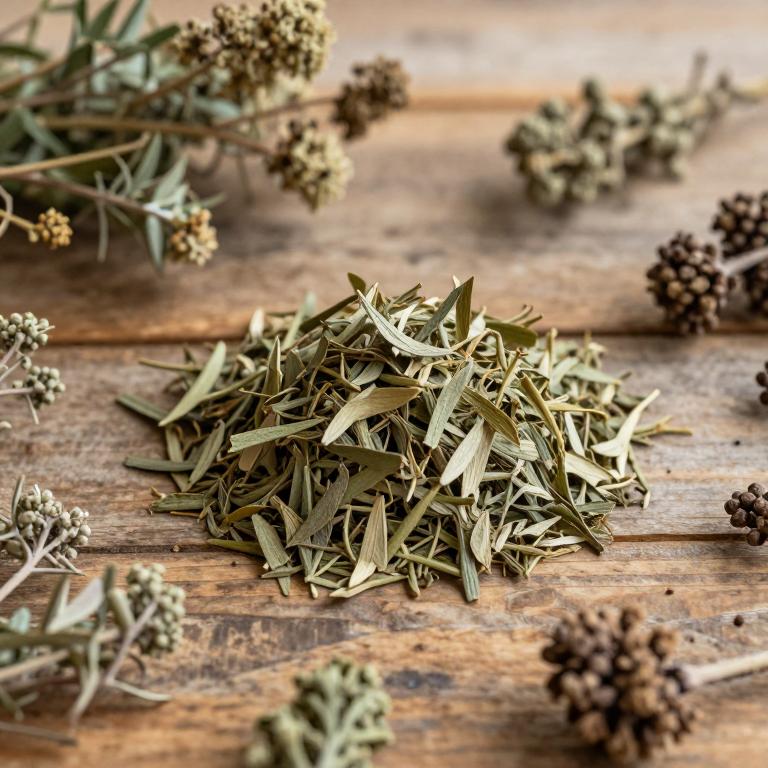
Hypericum grandifolium is a botanical species recognized for its diverse range of traditional medicinal applications. Historically, this plant has been utilized to address various health concerns, including the treatment of bruises and malaria. It is also frequently employed in folk medicine to manage irregular menstruation and support liver health during hepatitis. To access its bioactive properties, researchers and practitioners often utilize methanol extracts for preparation. Understanding these therapeutic uses highlights the significant role this plant plays in herbal pharmacology.
- Synonyms
- Androsaemum Webbianum · Androsaemum Grandifolium
- Common names
- Not available
- Family
- Hypericaceae
- Distribution
- Not available
- Plant Parts
- Not available
Classification
Common Names
Hypericum grandifolium is a distinctive plant known by several different names across various languages and regions. In English-speaking areas, it is commonly referred to as Large-leaved Saint John's Wort. Its identity is also recognized in German-speaking territories as Großblättriges Johanniskraut. Spanish speakers frequently call the species Malfurada or Malfurada grande. These diverse common names highlight the global reach and linguistic variety associated with this specific botanical species.
Sources: Catalogue of Life (COL)
Synonyms
Hypericum grandifolium is a botanical species that is often identified through various taxonomic classifications. In scientific literature, this plant is recognized by the synonym Androsaemum grandifolium. Furthermore, it is also frequently referred to by the alternative name Androsaemum webbianum. These overlapping names highlight the complex historical shifts within botanical nomenclature. Understanding these relationships is essential for researchers seeking to accurately document the plant's identity.
Sources: The World Checklist of Vascular Plants (WCVP)
Taxonomy
Hypericum grandifolium is a fascinating member of the kingdom Plantae that showcases the diverse complexity of the natural world. This specific species is classified under the class Equisetopsida and belongs to the extensive order Malpighiales. Within this botanical framework, it is nested inside the family Hypericaceae, which highlights its unique evolutionary lineage. Furthermore, it is identified as a part of the prominent genus Hypericum. Understanding these biological relationships provides essential insight into the plant's place within the vast tree of life.
| Rank | Classification |
|---|---|
| Kingdom | Plantae |
| Phylum | Streptophyta |
| Class | Equisetopsida |
| Subclass | Magnoliidae |
| Order | Malpighiales |
| Family | Hypericaceae |
| Genus | Hypericum |
Sources: The World Checklist of Vascular Plants (WCVP)
Distribution
Geographic Regions
Hypericum grandifolium is a distinctive plant species with a broad geographic presence across several key regions. Its natural distribution encompasses much of Africa, showcasing its adaptability to various African landscapes. Beyond the mainland, the species also flourishes within the Macaronesia archipelago. This includes significant populations found throughout the Canary Islands. Furthermore, the plant maintains a notable presence on the island of Madeira, completing its unique ecological footprint.
Sources: The World Checklist of Vascular Plants (WCVP)
Identification
Morphology
Hypericum grandifolium is a versatile shrub that exhibits a significant range in size depending on its environment. While some specimens may only reach a modest height of 0.3 m, others can grow much larger. Ultimately, this plant can reach a maximum height of 1.8 m, making it a dynamic addition to any landscape.
Sources: Global Inventory of Floras and Traits (GIFT)
Biological Activities
Compounds
Conditions
Hypericum grandifolium is recognized for its various medicinal applications in traditional herbal practices. This plant is used to treat bruises and manage cases of hepatitis. Additionally, it serves as a treatment for irregular menstruation. The species also provides therapeutic benefits for those suffering from malaria. Finally, it is utilized to address traumatic hemorrhage.
Preparations
Hypericum grandifolium is prepared as methanol extracts for various scientific investigations. This specific preparation method allows for the isolation of bioactive compounds from the plant material. By utilizing methanol, researchers can effectively extract the chemical constituents necessary for study. These extracts serve as the foundation for evaluating the plant's potential medicinal properties. The process of creating these methanol extracts is essential for understanding the plant's pharmacological profile.