Hypericum empetrifolium
Hypericum empetrifolium · Accepted scientific name
Scientific literature: Very Sparse (1 studies) · ★☆☆☆☆
Hypericum empetrifolium is a botanical species recognized for its diverse range of therapeutic properties. This plant contains significant chemical compounds, such as quinic acid, which contribute to its medicinal profile. It is frequently utilized for its diuretic activities and is studied for its potential as an antioxidant and antidiabetic agent. Furthermore, it may offer benefits in managing conditions related to aging and providing analgesic effects. Common applications of this plant often involve the use of its extracted essential oil.
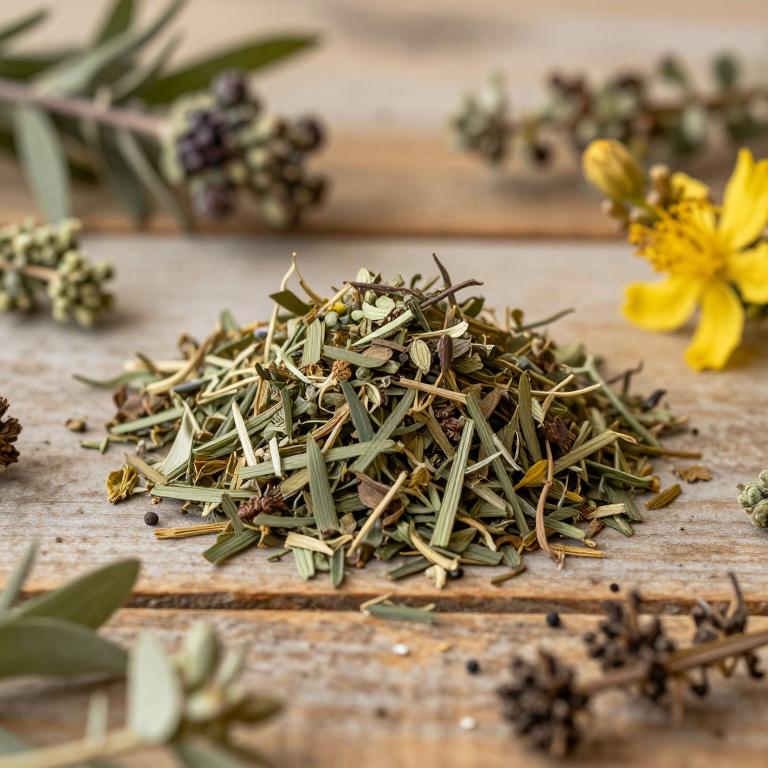
- Synonyms
- Not available
- Common names
- Not available
- Family
- Hypericaceae
- Distribution
- Not available
- Plant Parts
- Not available
Classification
Taxonomy
Hypericum empetrifolium is a distinguished member of the kingdom Plantae. Within this vast biological realm, it belongs to the class Equisetopsida. Its specific lineage continues through the order Malpighiales, showcasing its evolutionary connections. This plant is further categorized under the family Hypericaceae, which defines many of its unique botanical traits. Ultimately, it is identified by its placement within the genus Hypericum.
| Rank | Classification |
|---|---|
| Kingdom | Plantae |
| Phylum | Streptophyta |
| Class | Equisetopsida |
| Subclass | Magnoliidae |
| Order | Malpighiales |
| Family | Hypericaceae |
| Genus | Hypericum |
Sources: The World Checklist of Vascular Plants (WCVP)
Distribution
Geographic Regions
Hypericum empetrifolium is a versatile species with a broad geographical footprint spanning several continents. Its distribution begins in Africa, where it can be found throughout Northern Africa and specifically within Libya. The plant also flourishes across the Asia-Temperate zone, establishing itself in Western Asia, the East Aegean Islands, and Türkiye. Moving into Europe, it maintains a strong presence throughout Southeastern Europe. Specifically, it is known to inhabit the landscapes of both Albania and Greece.
Sources: The World Checklist of Vascular Plants (WCVP)
Identification
Morphology
Hypericum empetrifolium is characterized by its distinct growth form as a subshrub.
Sources: Global Inventory of Floras and Traits (GIFT)
Biological Activities
Hypericum empetrifolium is a traditional medicinal plant that has been utilized for centuries in southern Greece and western Turkey. The aerial parts of this species are historically valued for a variety of therapeutic applications, including the treatment of kidney stones and gastric ulcers. Most notably, the plant is recognized for its diuretic properties, which have long been central to its ethnopharmacological use. Recent scientific investigations have sought to validate these traditional uses by profiling the plant's volatile and phenolic compounds. These studies highlight the significant medicinal importance of the species and suggest a need for further research into its diverse therapeutic potential.
Compounds
Hypericum empetrifolium is a traditional medicinal plant recognized for its significant ethnopharmacological importance and complex phytochemical profile. Detailed LC-MS/MS analysis reveals that quinic acid serves as the most abundant constituent within both the aerial part and root extracts of the species. Furthermore, the aerial part extract is notably rich in other bioactive phenolic compounds, including chlorogenic acid and isoquercitrin. The plant's chemical makeup also includes the presence of malic acid, which contributes to its diverse biological properties. These identified constituents collectively support the various therapeutic uses traditionally associated with this member of the Hypericaceae family.
Conditions
Hypericum empetrifolium contains quinic acid, a compound that exhibits significant biological activities including the treatment of aging. This plant extract also provides therapeutic benefits through its analgesic and anti-nociceptive effects. Furthermore, the quinic acid found within the plant demonstrates potent anticancer properties by promoting apoptosis. Finally, the substance assists in treating diabetes by stimulating insulin secretion.
Preparations
Hypericum empetrifolium is prepared as an essential oil to investigate its specific phytochemical profiles and volatile compounds. This essential oil was analyzed using GC-MS to identify its major constituent components. Research revealed that alloaromodendrene, α-pinene, β-pinene, and α-terpineol are the primary compounds found within the oil. The study specifically focused on these volatile profiles alongside ethanol extracts derived from the plant's aerial parts and roots. Consequently, the preparation of this essential oil provides critical data regarding the plant's complex chemical makeup.