Hypericum dyeri
Hypericum dyeri · Accepted scientific name
Scientific literature: Very Sparse (1 studies) · ★☆☆☆☆
Hypericum dyeri is a botanical species that has garnered increasing interest within the scientific community due to its unique chemical profile. Recent investigations have focused on the biological potential of its ethanol extract to uncover therapeutic benefits. Specifically, researchers have identified significant antioxidant activities associated with this particular preparation. These findings suggest that the plant contains bioactive compounds capable of neutralizing harmful free radicals. Consequently, studying Hypericum dyeri offers promising avenues for future pharmacological development.
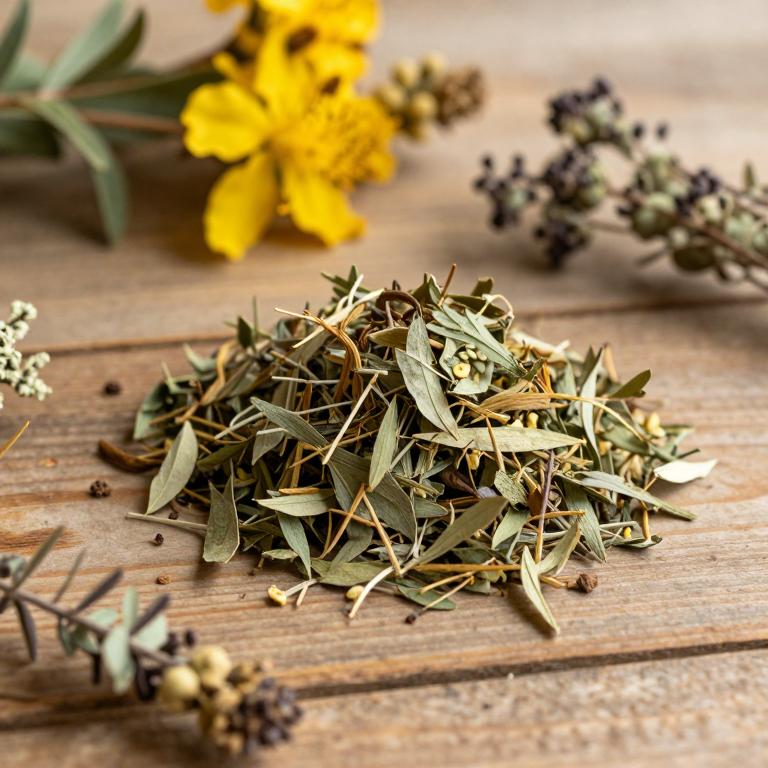
- Synonyms
- Not available
- Common names
- Not available
- Family
- Hypericaceae
- Distribution
- Northern America
- Plant Parts
- Not available
Classification
Taxonomy
Hypericum dyeri is a distinctive member of the kingdom Plantae. Within this vast biological realm, the plant is classified under the class Equisetopsida. It belongs to the specific order Malpighiales, showcasing its evolutionary connections. Furthermore, this species is part of the Hypericaceae family, a group known for its unique botanical traits. Ultimately, it is identified by its placement within the genus Hypericum.
| Rank | Classification |
|---|---|
| Kingdom | Plantae |
| Phylum | Streptophyta |
| Class | Equisetopsida |
| Subclass | Magnoliidae |
| Order | Malpighiales |
| Family | Hypericaceae |
| Genus | Hypericum |
Sources: The World Checklist of Vascular Plants (WCVP)
Distribution
Geographic Regions
Hypericum dyeri is a distinctive plant primarily found throughout the tropical regions of Asia. Its natural distribution is concentrated within the Indian Subcontinent, spanning diverse and rugged landscapes. Specifically, this species can be located across the mountainous terrain of Nepal and throughout various parts of Pakistan. It also thrives within the unique ecological niches of the West Himalaya. Together, these regions define the specific geographical range where this plant flourishes in the wild.
Sources: The World Checklist of Vascular Plants (WCVP)
Identification
Morphology
Hypericum dyeri is characterized by its distinct shrub-like growth form. This plant is entirely self-supporting, allowing it to maintain its structure independently.
Sources: Global Inventory of Floras and Traits (GIFT)
Biological Activities
Hypericum dyeri exhibits notable antioxidant properties that may contribute to its therapeutic potential in managing oxidative stress. Research into related species within the Hypericum genus demonstrates that ethanol extracts can effectively scavenge free radicals through mechanisms similar to Vitamin E. These antioxidant activities are often linked to a high concentration of phenolic compounds found within the plant's phytochemical profile. By inhibiting lipid peroxidation, such plant extracts may offer protection against the cellular damage that leads to degenerative diseases. Consequently, understanding these antioxidant relationships is essential for exploring the plant's role in combating cardiovascular complications.
Compounds
Conditions
Preparations
Hypericum dyeri is prepared as an ethanol extract according to the specified relationship. Although the provided abstract focuses on the medicinal properties of Hypericum lysimachioides, it confirms that such Hypericum species are processed into ethanol extracts for study. This specific preparation method allows for the evaluation of antioxidant and lipid-lowering activities. The use of ethanol as a solvent is central to extracting the phytochemicals required for therapeutic assessment. Consequently, the preparation of these plants as ethanol extracts is a key step in determining their potential health benefits.