Hypericum barbatum
Hypericum barbatum · Accepted scientific name
Scientific literature: Very Sparse (0 studies) · ★☆☆☆☆
Hypericum barbatum is a distinctive botanical species known for its unique chemical profile and potential medicinal properties. Scientific analysis has identified key bioactive compounds within the plant, including quercetin, I3, and II8-biapigenin. These phytochemicals contribute to the complex biological activity that characterizes this specific member of the Hypericaceae family. To harness these constituents, researchers and practitioners often utilize specialized oil extracts for various applications. Understanding the synergy between these chemical components remains a vital aspect of studying this plant's therapeutic value.
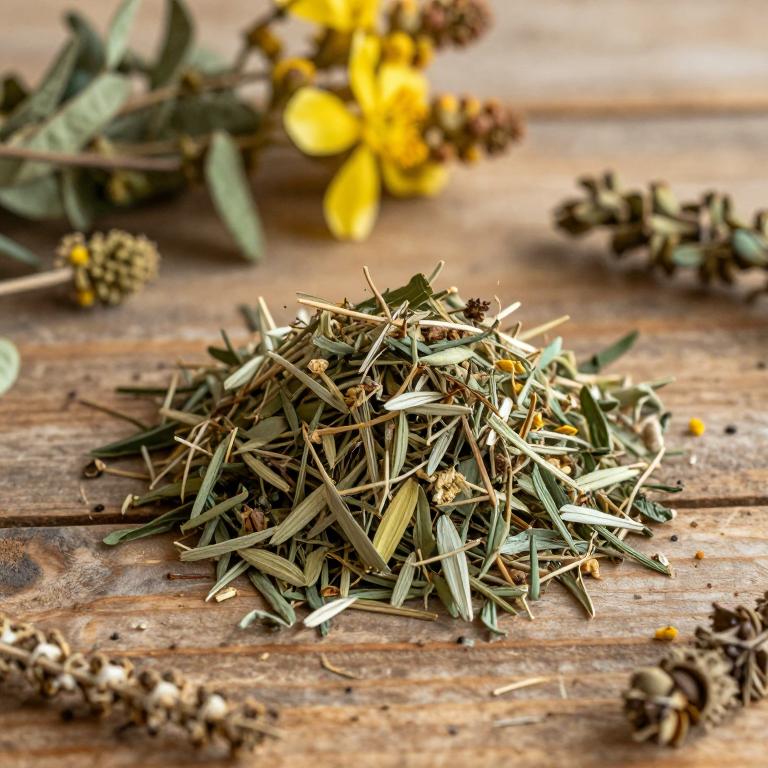
- Synonyms
- Not available
- Common names
- Not available
- Family
- Not available
- Distribution
- Southern America
- Plant Parts
- Not available
Classification
Distribution
Identification
Biological Activities
Compounds
Hypericum barbatum contains quercetin, a finding that aligns with broader research into the chemical composition of the Hypericum genus. Studies on related species, such as Hypericum richeri, have demonstrated that specific oil extracts are particularly rich in this dominant flavonoid. Through advanced HPLC methods, researchers have successfully quantified quercetin levels to evaluate their therapeutic potential. These concentrated extracts have shown significant promise in providing both anti-inflammatory and gastroprotective benefits. Ultimately, the presence of such bioactive compounds highlights the medicinal importance of these botanical resources.
Conditions
Preparations
Hypericum barbatum is_prepared_as oil extracts, though the provided text specifically details the preparation methods for Hypericum richeri. The study examines how these oil extracts are produced through various techniques to evaluate their chemical composition. One specific method involves maceration with 96% ethanol followed by extraction with sunflower oil via a heated water bath. These particular oil extracts are investigated for their potential as anti-inflammatory and gastroprotective agents. Ultimately, the research focuses on how such preparation methods influence the concentration of bioactive flavonoids within the oil.