Hyparrhenia filipendula
Hyparrhenia filipendula · Accepted scientific name
Scientific literature: Very Sparse (0 studies) · ★☆☆☆☆
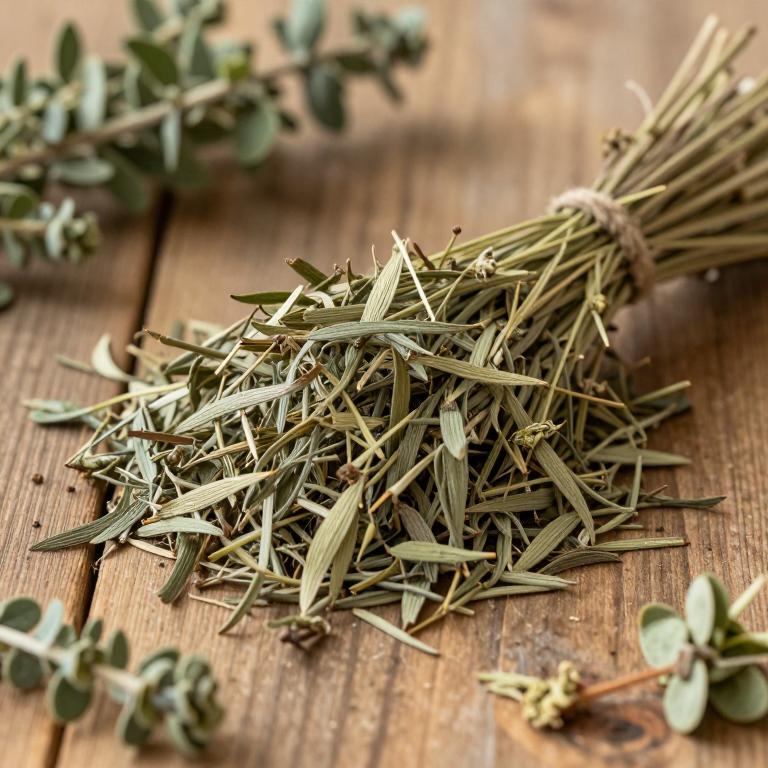
Hyparrhenia filipendula is a specialized grass species known for its distinct morphological characteristics. One of its most defining features is the unique structure of its leaf, which plays a crucial role in its survival. These leaves are adapted to thrive within specific environmental niches, providing essential surface area for photosynthesis. Understanding the intricate details of the leaf can help botanists identify this plant in various natural habitats. Consequently, studying this species offers valuable insights into the diversity of tropical grasslands.
- Synonyms
- Cymbopogon Filipendulus · Sorghum Filipendulum · 1 more
- Common names
- Not available
- Family
- Poaceae
- Distribution
- Southern America
- Plant Parts
- Leaf
Classification
Common Names
Hyparrhenia filipendula is a versatile plant known by a wide variety of regional and descriptive common names. It is frequently referred to as Fetinari or Tambookie grass, reflecting its diverse cultural identifiers. In many areas, it is also recognized by the name fyntamboekiegras, showing how its nomenclature shifts across different dialects. Because of its specific physical characteristics, it is often called hairy-bluegrass by those observing its unique texture. Additionally, its practical uses in construction have earned it the functional title of fine thatching grass.
Sources: Catalogue of Life (COL)
Synonyms
Hyparrhenia filipendula is a botanical species known to be associated with several different scientific names. In various taxonomic records, it is frequently identified by the synonym Andropogon filipendulus. The plant has also been classified under the name Cymbopogon filipendulus in certain studies. Furthermore, researchers may encounter it listed as Sorghum filipendulum depending on the historical context of the literature. Understanding these various synonyms is essential for accurately identifying the species across different botanical databases.
Sources: The World Checklist of Vascular Plants (WCVP)
Taxonomy
Hyparrhenia filipendula is a remarkable member of the kingdom Plantae. This species is classified under the class Equisetopsida and belongs to the order Poales. Within this botanical framework, it is further organized into the family Poaceae. Specifically, the plant is identified by its unique genus, Hyparrhenia. Understanding these taxonomic relationships provides essential insight into its biological identity.
| Rank | Classification |
|---|---|
| Kingdom | Plantae |
| Phylum | Streptophyta |
| Class | Equisetopsida |
| Subclass | Magnoliidae |
| Order | Poales |
| Family | Poaceae |
| Genus | Hyparrhenia |
Sources: The World Checklist of Vascular Plants (WCVP)
Distribution
Geographic Regions
Hyparrhenia filipendula is a notable plant species with a broad distribution spanning across various regions of the African continent. It is commonly found throughout East Tropical Africa, specifically within the territories of Kenya, Tanzania, and Uganda. Beyond these eastern reaches, the species also inhabits parts of Northeast Tropical Africa. Its presence is well-documented in countries such as Chad and Ethiopia, showcasing its adaptability to diverse environments. This wide geographic range highlights the ecological importance of the plant across multiple African landscapes.
Sources: The World Checklist of Vascular Plants (WCVP)
Identification
Morphology
Hyparrhenia filipendula is a distinctive herb characterized by its sturdy, self-supporting growth form. This plant typically reaches a modest stature, though its height can vary significantly depending on environmental conditions. While it may sometimes appear as a shorter specimen measuring around 0.6 meters, it frequently grows much taller. In many instances, the plant establishes a more commanding presence by reaching heights of 1.5 meters. Ultimately, its maximum height can extend up to 2 meters, making it a versatile component of its natural habitat.
Sources: Global Inventory of Floras and Traits (GIFT)
Biological Activities
Compounds
Conditions
Preparations
Parts used
Hyparrhenia filipendula serves as a critical subject in studies examining the transfer of radioactive elements from contaminated soil to plant tissues. Researchers specifically analyzed the uptake of uranium-238 and thorium-232 within the leaf samples of this species near a gold mine dump. The findings revealed that the leaf of H. filipendula exhibited relatively low transfer factors for both radionuclides compared to other studied plants. Specifically, the soil-to-leaf transfer factor for uranium was measured at 0.01, while thorium levels were even lower at 0.27 × 10(-2). These measurements help quantify the potential risks of internal radiation doses resulting from the consumption of local medicinal plants.