Hyoscyamus senecionis
Hyoscyamus senecionis · Accepted scientific name
Scientific literature: Very Sparse (14 studies) · ★☆☆☆☆
Scientifically known as Hyoscyamus senecionis, is a potent medicinal herb belonging to the Solanaceae family. Renowned for its high concentration of tropane alkaloids, particularly hyoscyamine, this plant has historically been utilized for its antispasmodic and sedative properties. It remains a significant subject in pharmacological studies regarding neuromuscular control.
- Family
- Solanaceae
- Native range
- Asia-Temperate
- Parts used
- Flower · Leaf
- Common names
- Not available
- Scientific synonyms
- Not available
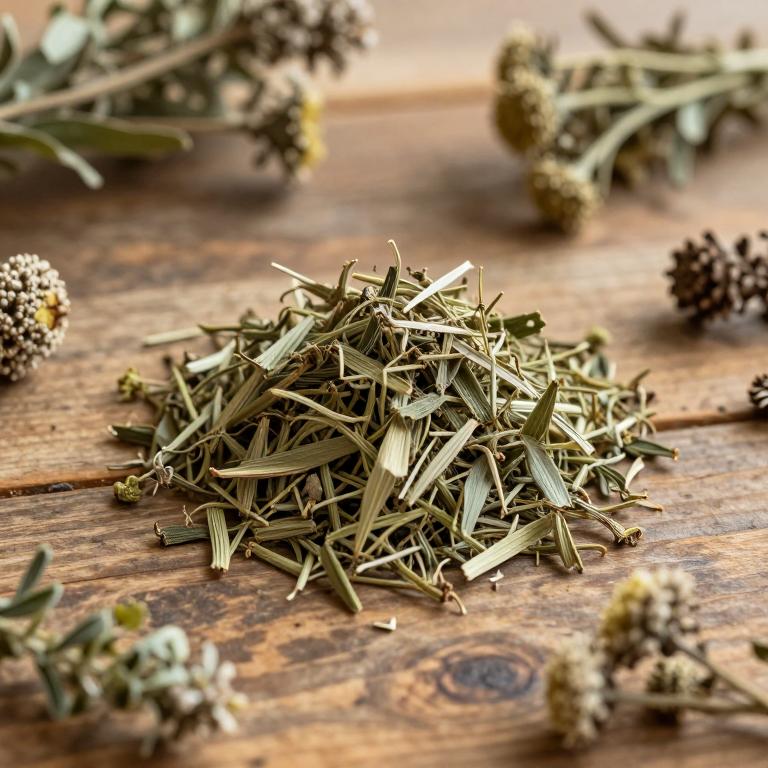
Names and Synonyms
Scientific Names
Accepted name
Hyoscyamus senecionisSources: Wikidata, Catalogue of Life
Taxonomical Classification
This plant belongs to the kingdom Plantae within the phylum Streptophyta and the class Equisetopsida. Under the subclass Magnoliidae, it is classified in the order Solanales and the family Solanaceae. Finally, its taxonomic placement is completed within the genus Hyoscyamus.
| Rank | Classification |
|---|---|
| Kingdom | Plantae |
| Phylum | Streptophyta |
| Class | Equisetopsida |
| Subclass | Magnoliidae |
| Order | Solanales |
| Family | Solanaceae |
| Genus | Hyoscyamus |
Sources: The World Checklist of Vascular Plants (WCVP)
Distribution
This plant exhibits a specific geographical range concentrated within the Western Asian region. Its documented distribution includes the country of Afghanistan, where it can be found in local habitats. Additionally, the species is known to grow across the landscapes of Iran. The plant's presence also extends into the territory of Iraq. Consequently, its natural occurrence is primarily limited to these three interconnected nations.
| Region | Area |
|---|---|
| Western Asia | Afghanistan |
| Western Asia | Iran |
| Western Asia | Iraq |
Sources: The World Checklist of Vascular Plants (WCVP)
Botanical Identification
Ecology
The ecology of Hyoscyamus seneccionis is characterized by its ability to thrive within a specific montane altitudinal gradient, spanning from a minimum elevation of 1400 m AMSL to a maximum of 3700 m AMSL. This broad elevational range suggests a high degree of ecological plasticity, allowing the species to inhabit diverse microclimates and varying environmental stressors associated with mountain ecosystems. Within this vertical distribution, the plant occupies niches that likely fluctuate in temperature, moisture availability, and atmospheric pressure, necessitating physiological adaptations to survive both the warmer, lower-altitude habitats and the significantly more rigorous, cooler conditions found at its upper limit.
- Elevational range max:
- 3700 m AMSL
- Elevational range min:
- 1400 m AMSL
Sources: Global Inventory of Floras and Traits (GIFT)
Plant Parts
Hyoscyamus senecionis has 5 reported plant parts identified across 5 scientific publications and several other databases that are studied for medicinal purposes. The most consistently reported plant part include flower, leaf, rhizome, root, stem.
| Plant part | Supporting sources | Consensus |
|---|---|---|
| Flower | 1 supporting sources | ★☆☆☆☆ |
| Leaf | 1 supporting sources | ★☆☆☆☆ |
| Rhizome | 1 supporting sources | ★☆☆☆☆ |
| Root | 1 supporting sources | ★☆☆☆☆ |
| Stem | 1 supporting sources | ★☆☆☆☆ |
Flower
- Plant physiology and biochemistry : PPB
Leaf
- Plant physiology and biochemistry : PPB
Rhizome
- Plant physiology and biochemistry : PPB
Root
- Plant physiology and biochemistry : PPB
Stem
- Plant physiology and biochemistry : PPB
Chemicals
Hyoscyamus senecionis has 2 reported phytochemicals identified across 5 scientific publications and several other databases. The most consistently reported chemicals include hyoscyamine, scopolamine.
| Chemical | Supporting sources | Consensus |
|---|---|---|
| hyoscyamine | 1 supporting sources | ★☆☆☆☆ |
| scopolamine | 1 supporting sources | ★☆☆☆☆ |
hyoscyamine
- Plant physiology and biochemistry : PPB
scopolamine
- Plant physiology and biochemistry : PPB