Hymenophyllum nephrophyllum
Hymenophyllum nephrophyllum · Accepted scientific name
Scientific literature: Very Sparse (0 studies) · ★☆☆☆☆
Hymenophyllum nephrophyllum is a specialized species of filmy fern known for its delicate, translucent foliage. This plant thrives in moist, shaded environments where its thin leaves can efficiently capture ambient light. Scientific investigations into its chemical composition have revealed the presence of notable bioactive compounds. Specifically, researchers have identified the presence of Mangiferin and 6'-O-Acetylmangiferin within its tissues. Understanding these chemical properties offers valuable insights into the complex secondary metabolism of this unique fern.
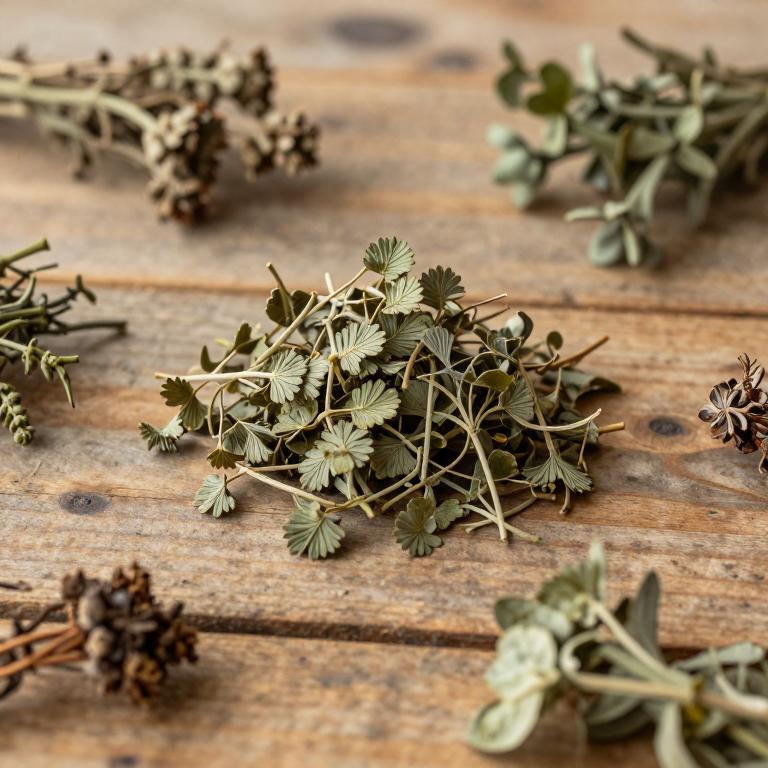
- Synonyms
- Trichomanes Reniforme · Cardiomanes Reniforme
- Common names
- Not available
- Family
- Hymenophyllaceae
- Distribution
- Not available
- Plant Parts
- Not available
Classification
Common Names
Hymenophyllum nephrophyllum is a unique fern known by various names across different languages and cultures. In English, it is most frequently referred to as the Kidney fern due to its distinctive shape. The Maori people call this species Raurenga, a name that reflects its deep roots in New Zealand's natural heritage. In Czech, it is identified as blanolistník obličkolistý, while Russian speakers recognize it as Трихоманес почковидный. These diverse common names highlight the global recognition of this fascinating plant.
Sources: Catalogue of Life (COL)
Synonyms
Hymenophyllum nephrophyllum is a plant species that has been documented under several different scientific names throughout botanical history. Due to evolving taxonomic classifications, it is also recognized by the synonym Cardiomanes reniforme. Furthermore, the plant has been previously identified in literature as Trichomanes reniforme. These overlapping names reflect the complex ways researchers have categorized this specific fern over time. Understanding these synonyms is essential for ensuring accuracy when studying its unique biological characteristics.
Sources: The World Checklist of Vascular Plants (WCVP)
Taxonomy
Hymenophyllum nephrophyllum belongs to the vast kingdom Plantae, showcasing the incredible diversity of the botanical world. Within this realm, it is classified under the class Equisetopsida, marking its place among unique fern-like lineages. This species further distinguishes itself as a member of the order Hymenophyllales. It is specifically nested within the family Hymenophyllaceae, a group known for its specialized characteristics. Finally, it resides within the genus Hymenophyllum, which defines its closest biological relatives.
| Rank | Classification |
|---|---|
| Kingdom | Plantae |
| Phylum | Streptophyta |
| Class | Equisetopsida |
| Subclass | Polypodiinae |
| Order | Hymenophyllales |
| Family | Hymenophyllaceae |
| Genus | Hymenophyllum |
Sources: The World Checklist of Vascular Plants (WCVP)
Distribution
Geographic Regions
Hymenophyllum nephrophyllum is a distinct fern species primarily concentrated within the Australasia region. Its natural distribution is most notably found throughout the diverse landscapes of New Zealand. This plant can be discovered spanning both the North and South Islands of the country. Additionally, its range extends to the unique ecosystems of the Chatham Islands. These widespread habitats ensure that the species remains a significant part of the regional flora.
Sources: The World Checklist of Vascular Plants (WCVP)
Identification
Biological Activities
Compounds
Hymenophyllum nephrophyllum has been identified as a source of specific bioactive compounds through detailed chemical analysis. Research indicates that this fern species contains the glycoside known as mangiferin within its biological structure. Furthermore, the plant is also characterized by the presence of 6'-O-acetylmangiferin. These findings contribute to a deeper understanding of the chemotaxonomical profile of various fern species. Identifying such constituents is essential for mapping the complex chemical relationships found in the plant kingdom.