Hygrophila erecta
Hygrophila erecta · Accepted scientific name
Scientific literature: Very Sparse (1 studies) · ★☆☆☆☆
Hygrophila erecta, scientifically known as Hygrophila erecta, is a versatile medicinal herb primarily found in tropical regions. Renowned for its diverse therapeutic properties, it is frequently utilized in traditional medicine to treat skin ailments, digestive issues, and inflammation. This plant offers significant pharmacological potential for modern healthcare research.
- Family
- Acanthaceae
- Native range
- Asia-Temperate
- Parts used
- Not available
- Common names
- Not available
- Scientific synonyms
- Dyschoriste Erecta · Dyschoriste Mysorensis · 7 more
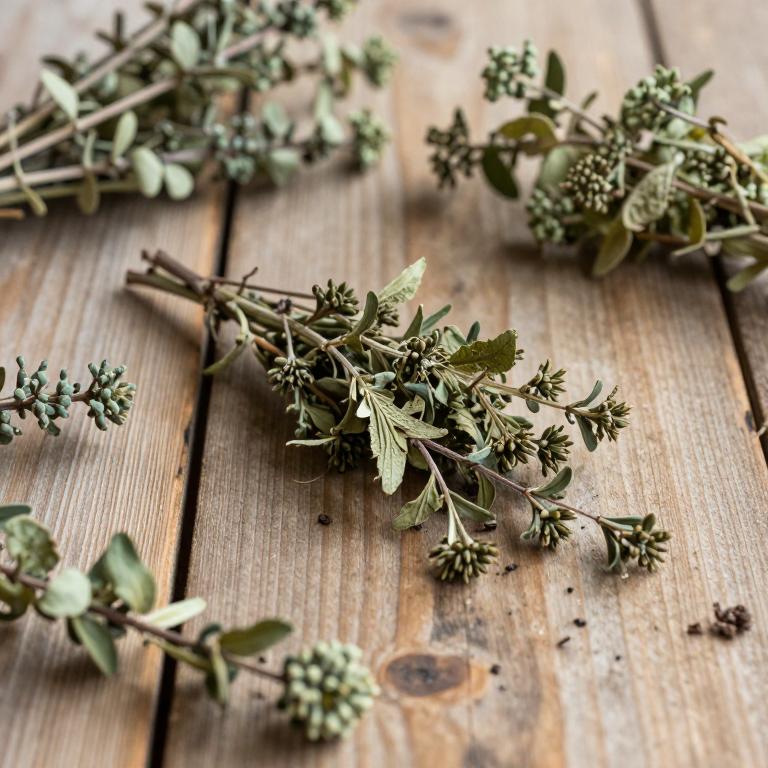
Names and Synonyms
Scientific Names
Accepted name
Hygrophila erectaSynonyms
- Dyschoriste erecta
- Dyschoriste mysorensis
- Calophanes crenatus
- Ruellia neglecta
- Ruellia erecta
- Dyschoriste cernua
- Justicia meysorensis
- Justicia mysorensis
- Hygrophila phlomoides var. roxburghii
Sources: Wikidata, Catalogue of Life
Taxonomical Classification
This plant belongs to the kingdom Plantae and the phylum Streptophyta, falling under the class Equisetopsida and subclass Magnoliidae. It is further classified within the order Lamiales and the family Acanthaceae. Ultimately, its taxonomic identity is defined by its membership in the genus Hygrophila.
| Rank | Classification |
|---|---|
| Kingdom | Plantae |
| Phylum | Streptophyta |
| Class | Equisetopsida |
| Subclass | Magnoliidae |
| Order | Lamiales |
| Family | Acanthaceae |
| Genus | Hygrophila |
Sources: The World Checklist of Vascular Plants (WCVP)
Distribution
This plant exhibits a wide geographical range across several key regions in Asia. Within China, its distribution spans the South-Central areas and the Southeast provinces. It is also documented as being native to the tropical island of Hainan. Moving into the Indian Subcontinent, the species can be found specifically in the state of Assam. Additionally, the plant is widely distributed throughout Bangladesh.
| Region | Area |
|---|---|
| China | China South-Central |
| China | Hainan |
| China | China Southeast |
| Indian Subcontinent | Assam |
| Indian Subcontinent | Bangladesh |
| Indian Subcontinent | India |
| Indian Subcontinent | Pakistan |
| Indian Subcontinent | Sri Lanka |
| Indo-China | Andaman Is. |
| Indo-China | Cambodia |
Sources: The World Checklist of Vascular Plants (WCVP)
Botanical Identification
Life history
The life history of Hygrophila erecta is characterized by its status as a perennial plant, allowing it to persist through multiple growing seasons. As a perennial species, it maintains a continuous presence in its natural habitat, often regenerating from established root systems or through seasonal regrowth. This longevity enables the plant to establish a stable footprint in its ecological niche, typically favoring moist or semi-aquatic environments where it can complete its reproductive cycles over several years. Its developmental stages involve a cycle of vegetative growth and flowering that repeats annually, ensuring its survival and ability to propagate within its specific ecosystem.
- Lifecycle :
- perennial
Morphology
The morphology of Hygrophila erecta is characterized by its growth form as a non-woody herb, functioning as a self-supporting plant that does not exhibit climbing behavior. It is categorized as an independent species, lacking any parasitic tendencies, and is primarily terrestrial in its ecological habit, though it can inhabit semiaquatic or aquatic environments. As a herbaceous plant, it maintains a non-woody structure throughout its development, lacking the lignified tissues found in shrubs or trees, and it grows as a terrestrial organism rather than an epiphyte.
- Aquatic :
- terrestrial
- Climber :
- self-supporting
- Epiphyte :
- terrestrial
- Growth form :
- herb
- Parasite :
- independent
- Woodiness :
- non-woody
Physiology
The physiology of Hygrophila erecta is characterized by distinct morphological variations in its foliage, which play a crucial role in its metabolic processes and environmental adaptation. The leaf structure exhibits a significant range of dimensions, reflecting the plant's developmental plasticity and its ability to optimize surface area for photosynthesis and transpiration. Specifically, the leaf length demonstrates a wide distribution, with a measured minimum of 1 cm and a maximum reaching up to 5 cm. This variability is centered around a mean leaf length of 3 cm, a parameter that serves as a vital physiological indicator of the plant's growth stage and its efficiency in nutrient and water uptake within its specific ecological niche.
- Leaf length max:
- 5 cm
- Leaf length mean:
- 3 cm
- Leaf length min:
- 1 cm
Sources: Global Inventory of Floras and Traits (GIFT)
Chemicals
Hygrophila erecta has 1 reported phytochemicals identified across 0 scientific publications and several other databases. The most consistently reported chemicals include n-Hexacosanol.
| Chemical | Supporting sources | Consensus |
|---|---|---|
| n-Hexacosanol | 1 supporting sources | ★☆☆☆☆ |
n-Hexacosanol
- FEBS letters