Hyaenanche globosa
Hyaenanche globosa · Accepted scientific name
Scientific literature: Very Sparse (1 studies) · ★☆☆☆☆
Hyaenanche globosa is a unique parasitic plant found within the specialized ecosystems of southern Africa. While it holds significant interest for scientific research, its chemical profile presents serious risks to human health. Various activities involving this species are considered highly toxic due to its potent bioactive compounds. Researchers often utilize crude extracts to study the complex alkaloids contained within its tissues. Understanding these substances is essential for ensuring safety when exploring the plant's pharmacological potential.
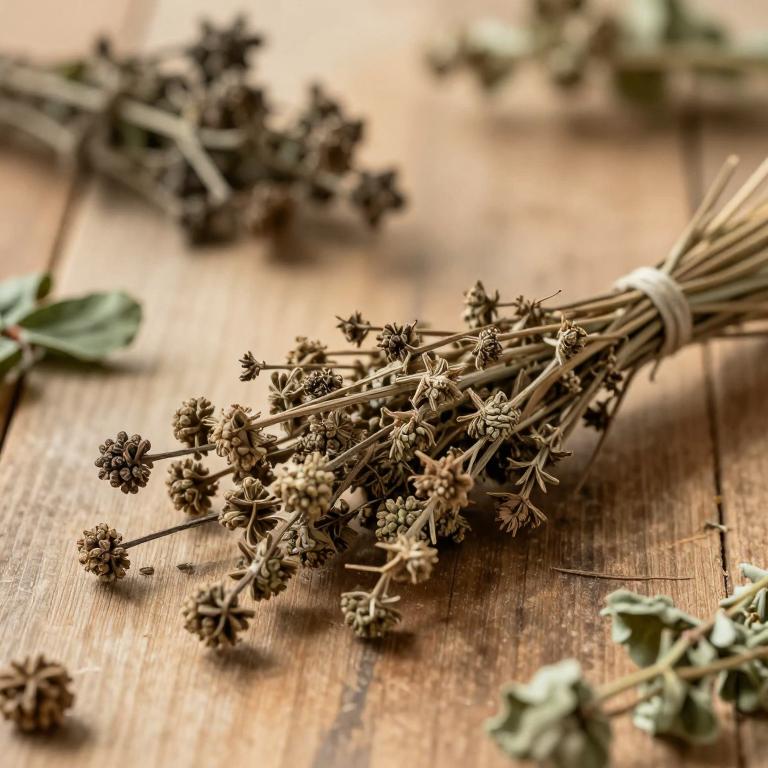
- Synonyms
- Toxicodendrum Capense · Toxicodendrum Globosum · 2 more
- Common names
- Not available
- Family
- Picrodendraceae
- Distribution
- Not available
- Plant Parts
- Not available
Classification
Common Names
Hyaenanche globosa is a fascinating plant known by several distinct local names. It is frequently referred to as Boesmangif or Boesmansgif, depending on the regional dialect used. Many people also recognize this species by its common name, Gifboom. Due to its potent properties, it is sometimes called Hyaena Poison or Hyaena-poison. These various monikers reflect the plant's deep-seated presence in local botanical lore.
Sources: Catalogue of Life (COL)
Synonyms
Hyaenanche globosa is a plant that has been identified through various botanical classifications over time. Because of its complex taxonomic history, it is frequently associated with the synonym Hyaenanche capensis. Researchers have also documented its relationship to the name Jatropha globosa in older botanical records. Furthermore, the species is linked to the synonyms Toxicodendrum capense and Toxicodendrum globosum. Understanding these various nomenclatural connections is essential for accurate scientific identification.
Sources: The World Checklist of Vascular Plants (WCVP)
Taxonomy
Hyaenanche globosa is a unique member of the kingdom Plantae. This specialized species belongs to the genus Hyaenanche and is categorized within the family Picrodendraceae. Its taxonomic classification further places it in the order Malpighiales. Additionally, the plant is organized under the class Equisetopsida. Understanding these biological relationships provides essential insight into the evolutionary history of this organism.
| Rank | Classification |
|---|---|
| Kingdom | Plantae |
| Phylum | Streptophyta |
| Class | Equisetopsida |
| Subclass | Magnoliidae |
| Order | Malpighiales |
| Family | Picrodendraceae |
| Genus | Hyaenanche |
Sources: The World Checklist of Vascular Plants (WCVP)
Distribution
Geographic Regions
Hyaenanche globosa is a unique botanical species primarily found within the diverse landscapes of Africa. Its distribution is specifically concentrated throughout the Southern African region, where it plays a specialized role in the ecosystem. Within this territory, the plant is most commonly encountered across the Cape Provinces. This localized presence highlights the specific environmental requirements necessary for its survival and growth. Understanding these geographic patterns is essential for studying the plant's natural habitat and conservation needs.
Sources: The World Checklist of Vascular Plants (WCVP)
Identification
Morphology
Hyaenanche globosa is a unique plant that adopts a tree-like growth form within its ecosystem. As a self-supporting species, it maintains its structure without the need for external assistance. The height of these plants typically ranges from a minimum of 1.98 m to a maximum of 4.26 m. This vertical presence allows it to occupy a specific niche in its natural habitat.
Sources: Global Inventory of Floras and Traits (GIFT)
Biological Activities
Hyaenanche globosa is a plant species within the Euphorbiaceae family that exhibits toxic properties. This plant serves as a host for various leafhoppers, including several newly described species within the genus Discolopeus. These insects are specifically associated with diverse vegetation in south-western South Africa, ranging from medicinal shrubs to harmful flora. The presence of such poisonous plants highlights the complex ecological niches occupied by these unique Hemiptera. Consequently, the relationship between Discolopeus and Hyaenanche globosa underscores the specialized biological connections found in this region.
Compounds
Conditions
Hyaenanche globosa is one of the specific plant species identified for its therapeutic potential in addressing skin care needs. Along with several other South African plants, this species has been scientifically validated by a research group for its effectiveness. Specifically, the plant is recognized for its ability to treat skin hyperpigmentation problems. This finding contributes to the growing body of evidence regarding the ethnomedicinal value of local flora in cosmetic formulations. The validation of Hyaenanche globosa highlights its significant pharmacological properties in managing dermatological issues.
Preparations
Hyaenanche globosa is prepared as crude extracts according to traditional medicinal practices. These extracts are being evaluated for their potential therapeutic applications in the field of skincare. Research indicates that such botanical preparations can exhibit significant pharmacological properties. Specifically, this plant species has been scientifically validated for its effectiveness in treating skin hyperpigmentation problems. The study of these crude extracts remains a vital component in understanding their full medicinal value.