firmoss
Huperzia · Accepted scientific name
Scientific literature: Very Sparse (1 studies) · ★☆☆☆☆
Firmoss, scientifically known as Huperzia, is a genus of ancient clubmosses renowned for their unique bioactive properties. Often found in shaded forest floors, these primitive plants contain huperzine A, a potent alkaloid used in neurological research for its ability to enhance memory and protect cognitive functions against decline.
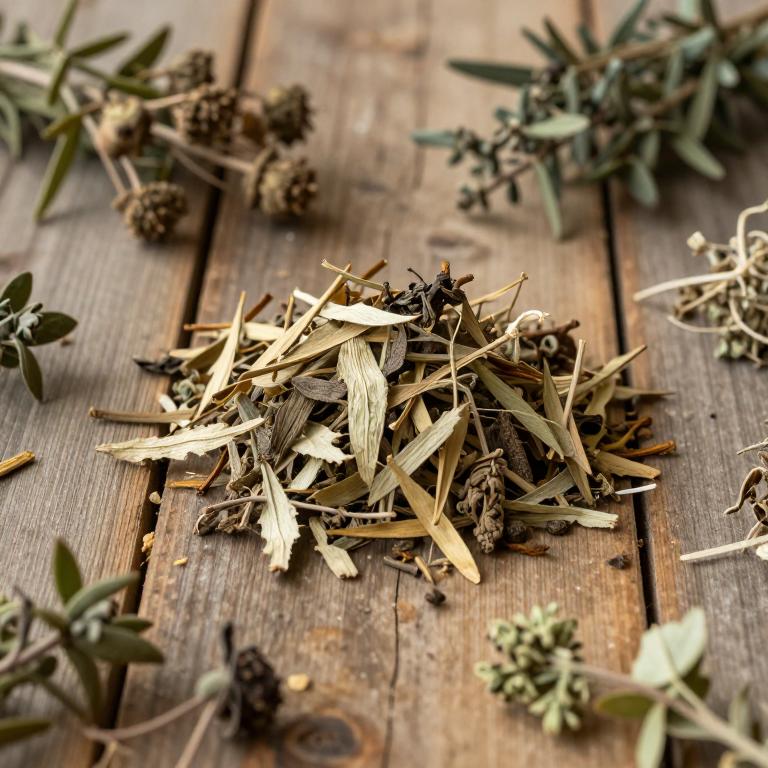
Names and Synonyms
Common Names
- firmoss
- gemma firmoss
- club-moss
- firmosses
- temperate firmosses
Scientific Names
Accepted name
HuperziaSynonyms
- Plananthus
- Urostachys
- Phylloglossum
- Phlegmariurus
Regional and Traditional Names
German:
- Teufelsklaue
Sources: Wikidata, Catalogue of Life
Taxonomical Classification
This plant belongs to the kingdom Plantae and the phylum Streptophyta, falling under the class Equisetopsida. Within the subclass Lycopodiidae and the order Lycopodiales, it is classified under the family Lycopodiaceae. Finally, it is identified by its specific genus, Huperzia.
| Rank | Classification |
|---|---|
| Kingdom | Plantae |
| Phylum | Streptophyta |
| Class | Equisetopsida |
| Subclass | Lycopodiidae |
| Order | Lycopodiales |
| Family | Lycopodiaceae |
| Genus | Huperzia |
Sources: The World Checklist of Vascular Plants (WCVP)
Distribution
This plant exhibits a specific geographical distribution concentrated within the northern regions of Europe. In the northern reaches of the continent, it can be found growing in Denmark and Finland. Its presence also extends to the island territories of Iceland and the Faroe Islands, known as Føroyar. Furthermore, the species is documented to inhabit parts of Great Britain. Collectively, these locations highlight its preference for northern European climates.
| Region | Area |
|---|---|
| Northern Europe | Denmark |
| Northern Europe | Finland |
| Northern Europe | Føroyar |
| Northern Europe | Great Britain |
| Northern Europe | Iceland |
| Northern Europe | Ireland |
| Northern Europe | Norway |
| Northern Europe | Svalbard |
| Northern Europe | Sweden |
| Middle Europe | Austria |
Sources: The World Checklist of Vascular Plants (WCVP)
Chemicals
Huperzia has 1 reported phytochemicals identified across 0 scientific publications and several other databases. The most consistently reported chemicals include Huperzine A.
| Chemical | Supporting sources | Consensus |
|---|---|---|
| Huperzine A | 1 supporting sources | ★☆☆☆☆ |
Huperzine A
- Frontiers in plant science