Hovenia
Hovenia · Accepted scientific name
Scientific literature: Very Sparse (10 studies) · ★☆☆☆☆
, scientifically known as Hovenia, is a rare and fascinating genus of carnivorous plants native to the tropical rainforests of South America. Characterized by their unique bladder-like structures, these specialized plants thrive by capturing insects, playing a vital role in their ecosystem through their remarkable and highly adapted evolutionary mechanisms.
- Family
- Rhamnaceae
- Native range
- Asia-Temperate
- Parts used
- Fruit · Leaf
- Common names
- Not available
- Scientific synonyms
- Not available
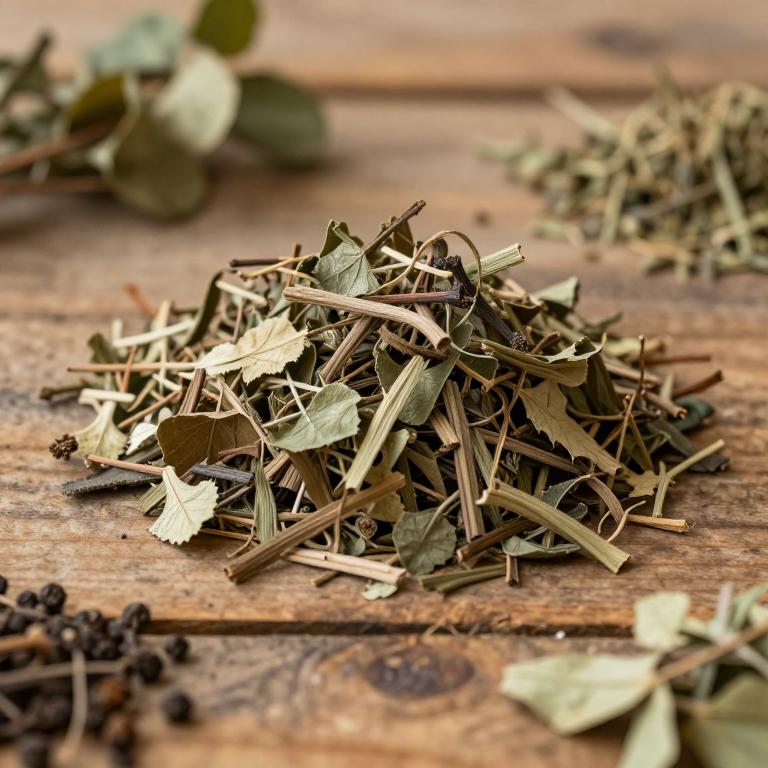
Names and Synonyms
Scientific Names
Accepted name
HoveniaSources: Wikidata, Catalogue of Life
Taxonomical Classification
This plant belongs to the kingdom Plantae and is classified under the phylum Streptophyta within the class Equisetopsida. As a member of the subclass Magnoliidae and the order Rosales, it is further categorized into the family Rhamnaceae. Ultimately, its taxonomic identity is defined by its classification within the genus Hovenia.
| Rank | Classification |
|---|---|
| Kingdom | Plantae |
| Phylum | Streptophyta |
| Class | Equisetopsida |
| Subclass | Magnoliidae |
| Order | Rosales |
| Family | Rhamnaceae |
| Genus | Hovenia |
Sources: The World Checklist of Vascular Plants (WCVP)
Distribution
This plant exhibits a widespread presence across various regions of East Asia. Within China, its distribution covers the South-Central, North-Central, and Southeast territories. Additionally, it can be found growing in the high-altitude regions of Tibet. Beyond mainland China, the species also extends its range into Japan. This varied geographical spread highlights the plant's adaptability to different environments within Eastern Asia.
| Region | Area |
|---|---|
| China | China South-Central |
| China | China North-Central |
| China | China Southeast |
| China | Tibet |
| Eastern Asia | Japan |
| Eastern Asia | Korea |
| Indian Subcontinent | Assam |
| Indian Subcontinent | Bangladesh |
| Indian Subcontinent | East Himalaya |
| Indian Subcontinent | India |
Sources: The World Checklist of Vascular Plants (WCVP)
Plant Parts
Hovenia has 3 reported plant parts identified across 3 scientific publications and several other databases that are studied for medicinal purposes. The most consistently reported plant part include fruit, leaf, seed.
| Plant part | Supporting sources | Consensus |
|---|---|---|
| Fruit | 1 supporting sources | ★☆☆☆☆ |
| Leaf | 1 supporting sources | ★☆☆☆☆ |
| Seed | 1 supporting sources | ★☆☆☆☆ |
Fruit
- Zhongguo Zhong yao za zhi = Zhongguo zhongyao zazhi = China journal of Chinese materia medica
Leaf
- Zhongguo Zhong yao za zhi = Zhongguo zhongyao zazhi = China journal of Chinese materia medica
Seed
- Zhongguo Zhong yao za zhi = Zhongguo zhongyao zazhi = China journal of Chinese materia medica
Chemicals
Hovenia has 1 reported phytochemicals identified across 3 scientific publications and several other databases. The most consistently reported chemicals include Flavonoids.
| Chemical | Supporting sources | Consensus |
|---|---|---|
| Flavonoids | 1 supporting sources | ★☆☆☆☆ |
Flavonoids
- Zhongguo Zhong yao za zhi = Zhongguo zhongyao zazhi = China journal of Chinese materia medica
Preparations
Hovenia has 1 reported preparations identified across 3 scientific publications and several other databases. The most consistently reported preparations include crude extracts.
| Preparation | Supporting sources | Consensus |
|---|---|---|
| Crude extracts | 1 supporting sources | ★☆☆☆☆ |
Crude extracts
- Zhongguo Zhong yao za zhi = Zhongguo zhongyao zazhi = China journal of Chinese materia medica