Hosta sieboldiana
Hosta sieboldiana · Accepted scientific name
Scientific literature: Very Sparse (0 studies) · ★☆☆☆☆
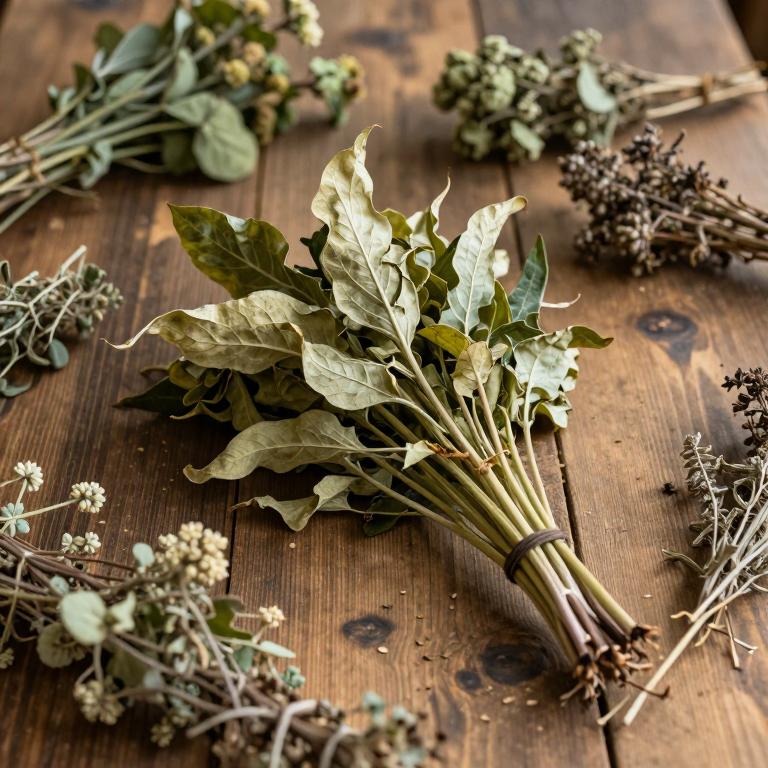
Hosta sieboldiana is a magnificent perennial celebrated for its massive, heart-shaped leaves and striking blue-green hues. Often favored by shade gardeners, this robust plant provides a lush, architectural texture to any woodland setting. Its impressive foliage can reach significant sizes, making it a perfect focal point for low-light landscapes. Beyond its ornamental beauty, the plant is remarkably hardy and thrives in moist, organic soils. Cultivating this species allows gardeners to introduce a sense of cool elegance to their outdoor living spaces.
- Synonyms
- Saussurea Sieboldiana · Funkia Sieboldiana · 1 more
- Common names
- Not available
- Family
- Asparagaceae
- Distribution
- Northern America
- Plant Parts
- Not available
Classification
Common Names
Hosta sieboldiana is a versatile garden perennial known by many different names depending on the region. In some parts of Europe, it is affectionately called the Blaublatt-Funkie or the Siebold's Plantain Lily. Its linguistic identity shifts further across borders, where it is recognized as bohyška sivá in certain locales. Gardeners in different areas might also refer to the plant as the bred bladlilje or the brei bladlilje. Regardless of these various common names, this striking plant remains a beloved staple for shade gardening enthusiasts worldwide.
Sources: Catalogue of Life (COL)
Synonyms
Hosta sieboldiana is a versatile garden staple known by several different botanical names. Within various taxonomic records, this plant is frequently identified by its synonym, Funkia sieboldiana. It is also commonly referred to as Niobe sieboldiana in certain horticultural circles. Additionally, you may encounter it listed under the synonym Saussurea sieboldiana depending on the source. Understanding these overlapping names is essential for gardeners looking to accurately identify this specific variety.
Sources: The World Checklist of Vascular Plants (WCVP)
Taxonomy
Hosta sieboldiana is a remarkable specimen belonging to the kingdom Plantae. Within this vast biological realm, it is classified under the class Equisetopsida. This specific plant is further organized into the order Asparagales, showcasing its unique evolutionary lineage. It fits perfectly within the family Asparagaceae, a group known for its diverse botanical characteristics. Finally, this species is identified by its membership in the genus Hosta, highlighting its distinct identity among garden favorites.
| Rank | Classification |
|---|---|
| Kingdom | Plantae |
| Phylum | Streptophyta |
| Class | Equisetopsida |
| Subclass | Magnoliidae |
| Order | Asparagales |
| Family | Asparagaceae |
| Genus | Hosta |
Sources: The World Checklist of Vascular Plants (WCVP)
Distribution
Geographic Regions
Hosta sieboldiana is a resilient perennial with a broad geographic footprint spanning several distinct regions. Its native origins are firmly rooted in the Asia-Temperate zones, specifically across the landscapes of Eastern Asia. Within this region, the plant thrives naturally in both Japan and Korea. Beyond its Asian heritage, the species has also established a presence throughout parts of Europe. Specifically, it can be found growing in the territories of Eastern Europe and South European Russia.
Sources: The World Checklist of Vascular Plants (WCVP)
Identification
Morphology
Hosta sieboldiana is characterized by its distinct herb growth form. This sturdy plant remains entirely self-supporting as it develops in the garden.
Sources: Global Inventory of Floras and Traits (GIFT)
Biological Activities
Compounds
Conditions
Preparations
Hosta sieboldiana serves a unique culinary purpose within the local traditions of the Virovitica area. The leaves of this ornamental plant are still utilized today as a functional food component. Specifically, they are prepared to be used for wrapping meat with rice. This practice highlights a specialized ethnobotanical application of a species often grown for decoration. Such traditional uses demonstrate the continued relevance of local plant knowledge in contemporary cooking.