Hordeum
Hordeum · Accepted scientific name
Scientific literature: Very Sparse (0 studies) · ★☆☆☆☆
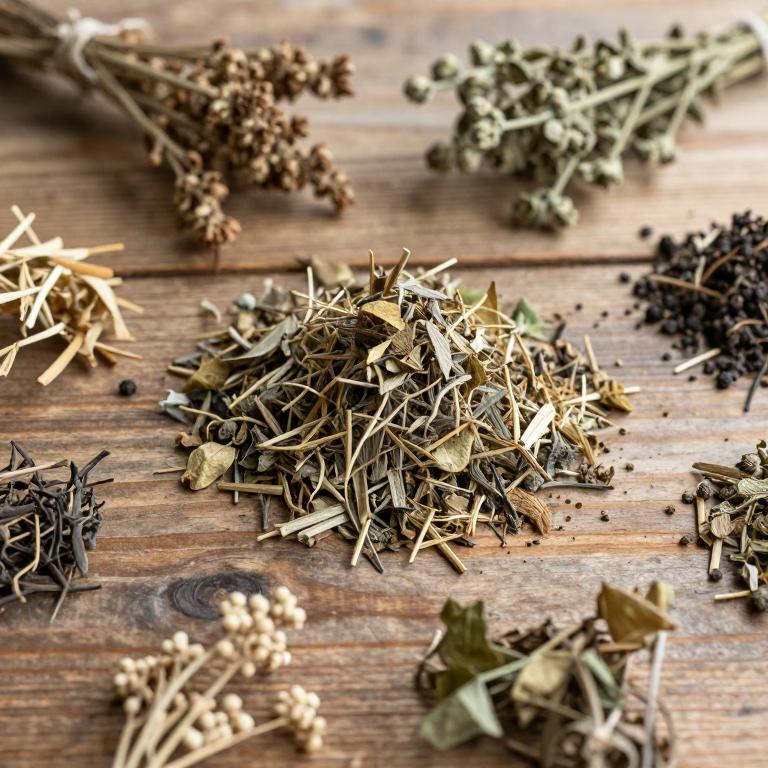
Hordeum, commonly known as barley, is a versatile member of the grass family frequently utilized in various herbal preparations. This ancient cereal grain serves as a foundational element in traditional wellness practices due to its diverse nutritional profile. When prepared as a herb, it can be integrated into infusions or decoctions to support holistic health. Its unique properties make it a staple for those seeking natural ways to supplement their dietary regimens. Understanding the botanical essence of Hordeum is essential for anyone interested in the therapeutic potential of medicinal grasses.
- Synonyms
- Critesion · Critho · 1 more
- Common names
- Not available
- Family
- Poaceae
- Distribution
- Not available
- Plant Parts
- Not available
Classification
Common Names
Hordeum is a diverse genus of grasses that is most widely recognized by its common English name, barley. Depending on the linguistic context or regional dialect, this plant may also be referred to as barleys or by the traditional name byg. In various cultural settings, such as in parts of Eastern Europe, it is known by the common name Arpa or Арпа. Scientific classifications sometimes expand its scope to include "Barley and Allies," reflecting its complex botanical connections. Whether called by its formal designations or local nicknames, this genus remains one of the most significant groups in the plant kingdom.
Sources: Catalogue of Life (COL)
Synonyms
Hordeum is a botanical genus that is frequently associated with several distinct taxonomic synonyms. In various scientific contexts, the name Critesion is recognized as a valid synonym for this plant group. Additionally, researchers may encounter the term Critho when navigating historical or alternative classifications. The synonym Zeocriton also exists within the literature, representing another way the genus has been identified. Understanding these various nomenclature relationships is essential for maintaining accuracy in botanical studies.
Sources: The World Checklist of Vascular Plants (WCVP)
Taxonomy
Hordeum belongs to the vast kingdom Plantae, encompassing all known life forms that utilize photosynthesis. Within this expansive group, it is classified under the class Equisetopsida, representing a diverse array of vascular plants. The plant is further categorized into the order Poales, which links it to many significant botanical lineages. Specifically, it sits within the family Poaceae, the highly important group of grasses known for their ecological and economic value. Ultimately, its biological identity is defined by its membership in the genus Hordeum, which characterizes its unique morphological traits.
| Rank | Classification |
|---|---|
| Kingdom | Plantae |
| Phylum | Streptophyta |
| Class | Equisetopsida |
| Subclass | Magnoliidae |
| Order | Poales |
| Family | Poaceae |
| Genus | Hordeum |
Sources: The World Checklist of Vascular Plants (WCVP)
Distribution
Geographic Regions
Hordeum displays a diverse geographical presence across several key regions within the African continent. Its distribution extends into East Tropical Africa, with specific occurrences noted throughout Tanzania. Additionally, the genus maintains a significant presence within the Macaronesian islands. This includes established populations in the Azores, the Canary Islands, and Madeira. Furthermore, its range reaches the Selvagens, completing a wide-reaching maritime and continental footprint.
Sources: The World Checklist of Vascular Plants (WCVP)
Identification
Biological Activities
Compounds
Conditions
Preparations
Hordeum is prepared as one of several herbs that contain significant gram-negative microbial associated molecular pattern (MAMP) biomass. Within the study of botanical supplements, this specific plant is categorized alongside other random herbs such as corn silk and pollen. The research indicates that the bioactive properties found in such herbs may stem from their resident microorganism communities rather than the plant itself. Consequently, the presence of these microbes in Hordeum contributes to the complex functional immune microbiome found in many herbal products. This relationship highlights how the preparation of Hordeum as an herb carries inherent microbial components that can provoke host immune responses.