Hopea malibato
Hopea malibato · Accepted scientific name
Scientific literature: Very Sparse (5 studies) · ★☆☆☆☆
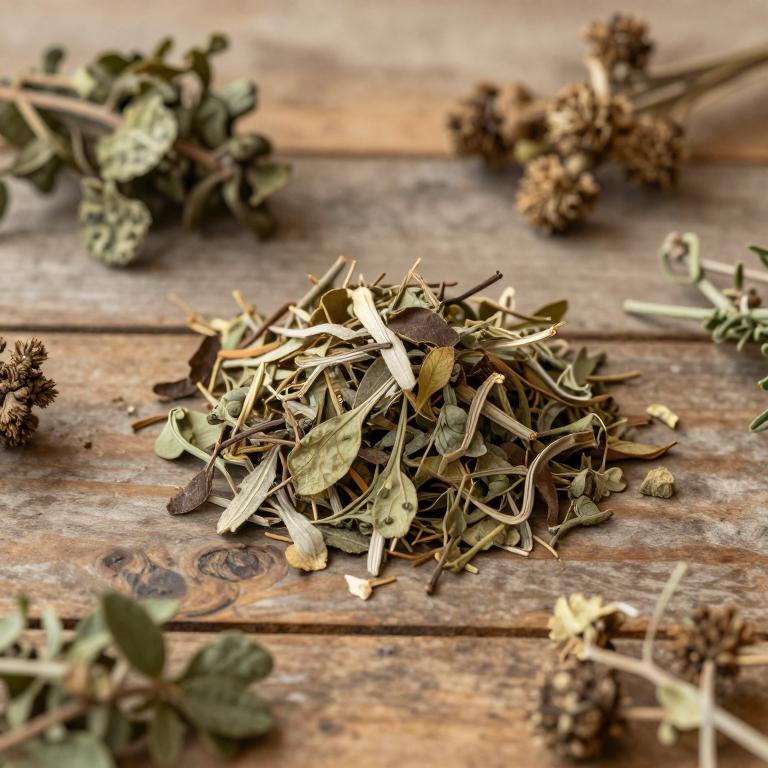
Hopea malibato, scientifically known as Hopea malibato, is a rare timber species native to the tropical rainforests of Southeast Asia. Belonging to the Dipterocarpaceae family, this medicinal plant is valued for its unique biochemical properties, offering potential therapeutic benefits in traditional healing practices and modern pharmacological research.
- Family
- Dipterocarpaceae
- Native range
- Asia-Tropical
- Parts used
- Leaf
- Common names
- Not available
- Scientific synonyms
- Hopea Woodiana · Hopea Dalingdingan
Names and Synonyms
Scientific Names
Accepted name
Hopea malibatoSynonyms
- Hopea woodiana
- Hopea dalingdingan
Sources: Wikidata
Taxonomical Classification
This plant, Hopea malibato, belongs to the kingdom Plantae and the phylum Streptophyta. It is classified under the class Equisetopsida and subclass Magnoliidae within the order Malvales. Finally, it is a member of the family Dipterocarpaceae and is situated within the genus Hopea.
| Rank | Classification |
|---|---|
| Kingdom | Plantae |
| Phylum | Streptophyta |
| Class | Equisetopsida |
| Subclass | Magnoliidae |
| Order | Malvales |
| Family | Dipterocarpaceae |
| Genus | Hopea |
Sources: The World Checklist of Vascular Plants (WCVP)
Distribution
This plant is recognized for its specific presence within the Malesia botanical region. Its natural range is primarily concentrated in the archipelago of the Philippines. Within this Southeast Asian territory, it serves as a significant component of the local flora. The geographical distribution of the species is relatively restricted to these specific tropical islands. Consequently, understanding its habitat in the Philippines is essential for its conservation and study.
| Region | Area |
|---|---|
| Malesia | Philippines |
Sources: The World Checklist of Vascular Plants (WCVP)
Botanical Identification
Morphology
The morphology of Hopea malibato is characterized by its distinct growth form as a tree, exhibiting a robust and perennial structure. As a woody species, it possesses a lignified stem system that provides the necessary structural support for its height and canopy development. This perennial, woody architecture is typical of its taxonomic classification, distinguishing it from herbaceous, graminoid, or shrubby forms through its significant secondary growth and permanent structural tissues.
- Growth form :
- tree
- Woodiness :
- woody
Physiology
The physiology of Hopea malibato is characterized by a metabolic framework governed by a C3 photosynthetic pathway. As a member of the Dipterocarpaceae family, its physiological processes involve the direct fixation of atmospheric carbon dioxide through the enzyme Rubisco within the mesophyll cells, without the specialized spatial separation found in C4 plants or the temporal separation seen in CAM species. This C3 mechanism dictates its carbon assimilation efficiency and water-use strategies, typically favoring environments with sufficient moisture where photorespiration can be managed. The plant's metabolic efficiency is intrinsically linked to this pathway, influencing its transpiration rates, leaf anatomy, and overall energy production cycles during various stages of its growth.
- Photosynthetic pathway :
- C3
Sources: Global Inventory of Floras and Traits (GIFT)
Plant Parts
Hopea malibato has 1 reported plant parts identified across 1 scientific publications and several other databases that are studied for medicinal purposes. The most consistently reported plant part include leaf.
| Plant part | Supporting sources | Consensus |
|---|---|---|
| Leaf | 1 supporting sources | ★☆☆☆☆ |
Leaf
- Journal of natural products
Chemicals
Hopea malibato has 2 reported phytochemicals identified across 1 scientific publications and several other databases. The most consistently reported chemicals include Balanocarpol, Dibalanocarpol.
| Chemical | Supporting sources | Consensus |
|---|---|---|
| Balanocarpol | 1 supporting sources | ★☆☆☆☆ |
| Dibalanocarpol | 1 supporting sources | ★☆☆☆☆ |
Balanocarpol
- Journal of natural products
Dibalanocarpol
- Journal of natural products
Activities
Hopea malibato has 1 reported activities identified across 1 scientific publications and several other databases. The most consistently reported activities include Cytotoxic.
| Activity | Supporting sources | Consensus |
|---|---|---|
| Cytotoxic | 1 supporting sources | ★☆☆☆☆ |
Cytotoxic
- Journal of natural products
Conditions
Hopea malibato has 1 reported investigations on conditions identified across 1 scientific publications and several other databases. The most consistently reported conditions include HIV.
| Condition | Supporting sources | Consensus |
|---|---|---|
| Hiv | 1 supporting sources | ★☆☆☆☆ |
Hiv
- Journal of natural products
Preparations
Hopea malibato has 1 reported preparations identified across 1 scientific publications and several other databases. The most consistently reported preparations include organic extract of the leaves.
| Preparation | Supporting sources | Consensus |
|---|---|---|
| Organic extract of the leaves | 1 supporting sources | ★☆☆☆☆ |
Organic extract of the leaves
- Journal of natural products