Holodiscus australis
Holodiscus australis · Accepted scientific name
Scientific literature: Very Sparse (0 studies) · ★☆☆☆☆
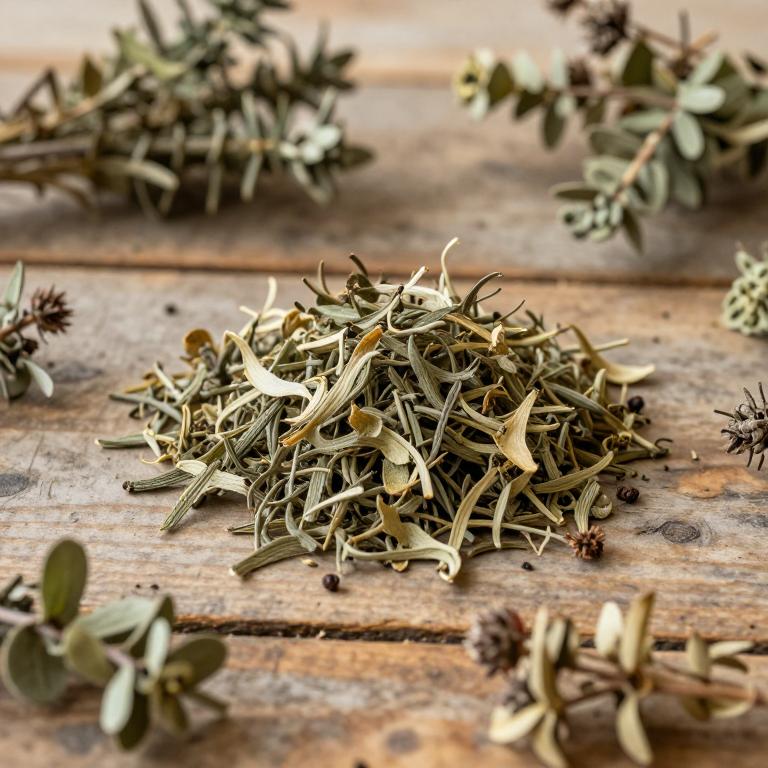
Holodiscus australis, commonly known as the mountain sandbarberry, is a versatile shrub native to the rugged terrains of western North America. This resilient plant is highly valued in traditional ethnobotanical practices for its various medicinal and nutritional properties. One of its most significant historical uses involves the careful preparation of herbal teas derived from its components. These infusions are often crafted to support wellness and provide soothing relief from various ailments. Understanding the careful process of making these teas is essential for respecting the cultural heritage tied to this species.
- Synonyms
- Holodiscus Discolor Var. Dumosus · Schizonotus Argenteus Var. Dumosus · 7 more
- Common names
- Not available
- Family
- Rosaceae
- Distribution
- Not available
- Plant Parts
- Not available
Classification
Common Names
Holodiscus australis is a resilient shrub widely recognized by its common name, Rockspirea. This plant is frequently celebrated for its ability to thrive in rocky, well-drained soils where other vegetation might struggle. Its dense clusters of white flowers create a striking visual display that draws in various pollinators during the blooming season. Gardeners often value Rockspirea for its hardy nature and its capacity to add texture to high-altitude landscapes. Understanding its identity through both scientific and common names helps enthusiasts better appreciate its role in the ecosystem.
Sources: Catalogue of Life (COL)
Synonyms
Holodiscus australis is a plant species characterized by a complex taxonomic history involving several recognized synonyms. It is frequently identified in botanical literature as Holodiscus discolor var. dumosus or as Holodiscus dumosus var. australis. Furthermore, the species has been linked to the names Holodiscus schaffneri and Holodiscus dumosus var. schaffneri. Some historical records even classify it under the name Schizonotus argenteus var. dumosus. Understanding these various nomenclatural relationships is essential for accurate botanical identification and study.
Sources: The World Checklist of Vascular Plants (WCVP)
Taxonomy
Holodiscus australis belongs to the vast kingdom Plantae, showcasing the diverse beauty found within the natural world. This specific species is classified under the class Equisetopsida, a fundamental grouping in botanical taxonomy. Within this framework, it is placed in the order Rosales, which connects it to many other significant flowering plants. Further refinement identifies it as a member of the genus Holodiscus, highlighting its unique evolutionary path. Finally, its placement in the family Rosaceae links it to a well-known group of diverse and ecologically important plants.
| Rank | Classification |
|---|---|
| Kingdom | Plantae |
| Phylum | Streptophyta |
| Class | Equisetopsida |
| Subclass | Magnoliidae |
| Order | Rosales |
| Family | Rosaceae |
| Genus | Holodiscus |
Sources: The World Checklist of Vascular Plants (WCVP)
Distribution
Geographic Regions
Holodiscus australis maintains a diverse geographic presence that spans across much of Northern America. Its range extends southward into Mexico and the northeastern regions of the country. Within the United States, the species is widely distributed, appearing in the Northwestern states such as Wyoming and the broader Northwestern U.S.A. region. The plant also flourishes in the mountain landscapes of Colorado and the South-Central territories of New Mexico. Furthermore, its habitat reaches into the arid environments of the Southwestern U.S.A., specifically within Arizona.
Sources: The World Checklist of Vascular Plants (WCVP)
Identification
Biological Activities
Compounds
Conditions
Preparations
Holodiscus australis is prepared as teas by the Mountain Pima of Chihuahua, Mexico. These traditional beverages are crafted using specific plant parts to provide nutritional value. Research indicates that such teas are analyzed for essential mineral contents like iron, copper, and zinc. The consumption of these native infusions is a documented practice within the local culture. This specific plant relationship highlights the medicinal and nutritional role of local flora in traditional diets.