Hippophaë
Hippophae · Accepted scientific name
Scientific literature: Very Sparse (4 studies) · ★☆☆☆☆
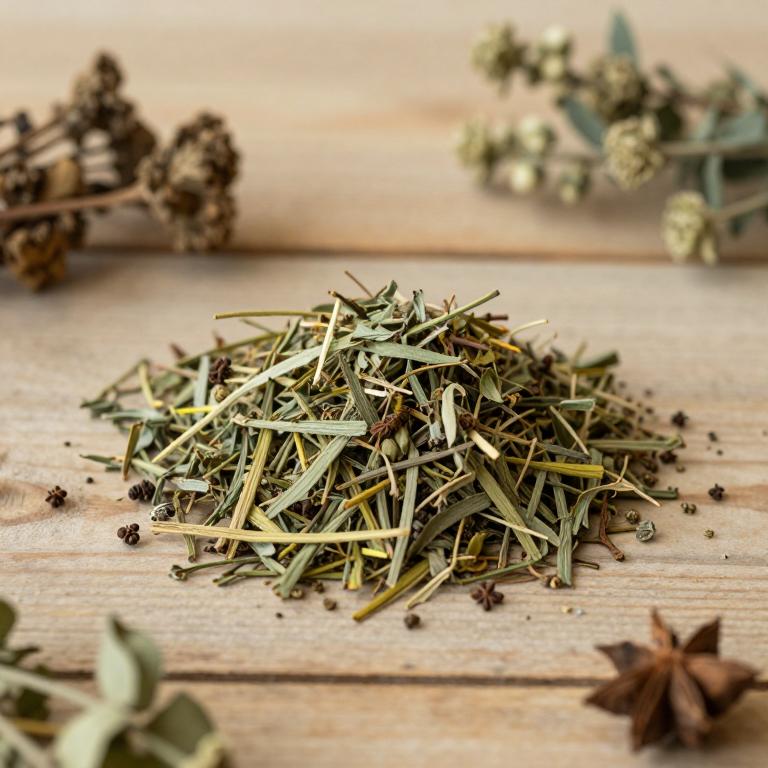
Hippophaë, scientifically known as Hippophae, is a resilient shrub celebrated for its remarkable therapeutic properties. Rich in vitamins, antioxidants, and essential fatty acids, this potent plant offers significant health benefits, ranging from skin rejuvenation to immune support. Its versatile applications make it a cornerstone in traditional and modern medicine.
Names and Synonyms
Common Names
- sea buckthorn
- seaberry
- Sea buckthorns
- Sea-buckthorn
Scientific Names
Accepted name
HippophaeSynonyms
- Argussiera
- Rhamnoides
- Oleaster
Regional and Traditional Names
German:
- Sanddorne
- Hippophaë
- Sanddorn
- Sanddorne
Sources: Wikidata, Catalogue of Life
Taxonomical Classification
This plant belongs to the kingdom Plantae and the phylum Streptophyta. Within the class Equisetopsida and subclass Magnoliidae, it is categorized under the order Rosales and the family Elaeagnaceae. Finally, it is classified under the genus Hippophae.
| Rank | Classification |
|---|---|
| Kingdom | Plantae |
| Phylum | Streptophyta |
| Class | Equisetopsida |
| Subclass | Magnoliidae |
| Order | Rosales |
| Family | Elaeagnaceae |
| Genus | Hippophae |
Sources: The World Checklist of Vascular Plants (WCVP)
Distribution
This plant, known as Hippophae, exhibits a specific distribution across several Northern European territories. It can be found growing within the coastal and inland regions of Denmark. Furthermore, its presence extends to the northernmost reaches of Finland. The species is also widely distributed throughout the landscapes of Great Britain and Ireland. Finally, its geographical range includes the rugged terrains of Norway.
| Region | Area |
|---|---|
| Northern Europe | Denmark |
| Northern Europe | Finland |
| Northern Europe | Great Britain |
| Northern Europe | Ireland |
| Northern Europe | Norway |
| Northern Europe | Sweden |
| Middle Europe | Austria |
| Middle Europe | Belgium |
| Middle Europe | Czechia-Slovakia |
| Middle Europe | Germany |
Sources: The World Checklist of Vascular Plants (WCVP)
Plant Parts
Hippophae has 1 reported plant parts identified across 1 scientific publications and several other databases that are studied for medicinal purposes. The most consistently reported plant part include leaf.
| Plant part | Supporting sources | Consensus |
|---|---|---|
| Leaf | 1 supporting sources | ★☆☆☆☆ |
Leaf
- Zhongguo Zhong yao za zhi = Zhongguo zhongyao zazhi = China journal of Chinese materia medica
Chemicals
Hippophae has 2 reported phytochemicals identified across 1 scientific publications and several other databases. The most consistently reported chemicals include Flavonoids, Tannins.
| Chemical | Supporting sources | Consensus |
|---|---|---|
| Flavonoids | 2 supporting sources | ★☆☆☆☆ |
| Tannins | 1 supporting sources | ★☆☆☆☆ |
Flavonoids
- Molecules (Basel, Switzerland)
- Zhongguo Zhong yao za zhi = Zhongguo zhongyao zazhi = China journal of Chinese materia medica
Tannins
- Molecules (Basel, Switzerland)
Preparations
Hippophae has 3 reported preparations identified across 1 scientific publications and several other databases. The most consistently reported preparations include oils, oleaster extract, oleum Hippophae.
| Preparation | Supporting sources | Consensus |
|---|---|---|
| Oils | 1 supporting sources | ★☆☆☆☆ |
| Oleaster extract | 1 supporting sources | ★☆☆☆☆ |
| Oleum hippophae | 1 supporting sources | ★☆☆☆☆ |
Oils
- Eksperimental'naia i klinicheskaia farmakologiia
Oleaster extract
- Food science & nutrition
Oleum hippophae
- Patologicheskaia fiziologiia i eksperimental'naia terapiia