Hippophae salicifolia
Hippophae salicifolia · Accepted scientific name
Scientific literature: Very Sparse (0 studies) · ★☆☆☆☆
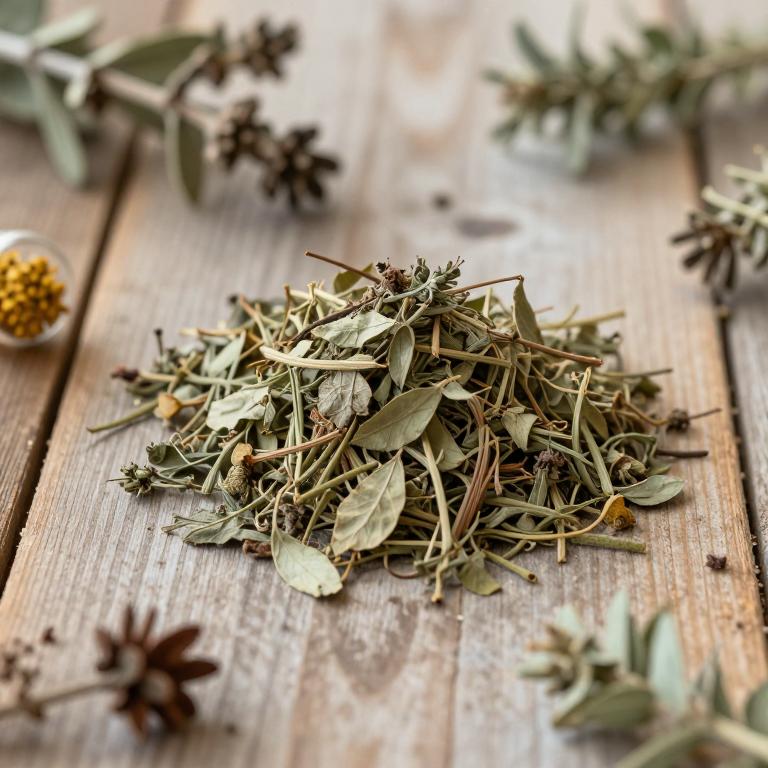
Hippophae salicifolia, commonly known as the willowleaf sea buckthorn, is a resilient deciduous shrub native to the arid regions of Central and East Asia. This hardy species is highly valued for its ability to thrive in harsh, sandy soils and extreme climatic conditions. While its foliage and structure are striking, the plant is particularly noted for the production of its small, nutrient-dense seeds. These seeds contain essential fatty acids and bioactive compounds that are increasingly sought after for medicinal and nutritional purposes. Understanding the characteristics of this plant provides insight into its vital role within its natural ecosystem.
- Synonyms
- Hippophae Rhamnoides Subsp. Salicifolia · Hippophae Fasciculata
- Common names
- Not available
- Family
- Elaeagnaceae
- Distribution
- Not available
- Plant Parts
- Seed
Classification
Common Names
Hippophae salicifolia is a versatile plant known by a diverse array of regional names across different languages and cultures. In certain areas, it is referred to as the Gluosnialapis šaltalankis or the Wilgbladige duindoorn. It also carries the specific identifiers of himalajantyrni and himalayahavtorn within its unique nomenclature. Furthermore, the species is recognized by the name rakytník vrbolistý in other contexts. These varied common names highlight the widespread botanical presence and linguistic variety associated with this species.
Sources: Catalogue of Life (COL)
Synonyms
Hippophae salicifolia is a plant species that is often identified through several different botanical names. In many scientific databases, it is recognized by the synonym Hippophae fasciculata. Furthermore, the plant is also classified under the name Hippophae rhamnoides subsp. salicifolia. These varying designations highlight the complex taxonomic history associated with this particular shrub. Understanding these relationships is essential for researchers seeking to maintain consistency in botanical documentation.
Sources: The World Checklist of Vascular Plants (WCVP)
Taxonomy
Hippophae salicifolia is a distinct member of the kingdom Plantae. Within this vast biological realm, it is classified under the class Equisetopsida. This species belongs to the order Rosales, which helps define its structural characteristics. Furthermore, it is nested within the family Elaeagnaceae, sharing traits with its botanical relatives. Ultimately, this plant is identified by its specific genus, Hippophae.
| Rank | Classification |
|---|---|
| Kingdom | Plantae |
| Phylum | Streptophyta |
| Class | Equisetopsida |
| Subclass | Magnoliidae |
| Order | Rosales |
| Family | Elaeagnaceae |
| Genus | Hippophae |
Sources: The World Checklist of Vascular Plants (WCVP)
Distribution
Geographic Regions
Hippophae salicifolia exhibits a widespread distribution that spans diverse climatic zones across the Asian continent. In the temperate regions of Asia, this species can be found growing within the unique landscapes of China and Tibet. Its reach extends further into the tropical zones of the Indian Subcontinent, where it thrives in several distinct environments. Specifically, the plant is established throughout the East Himalaya, the West Himalaya, and the rugged terrain of Nepal. This broad geographic range highlights the remarkable adaptability of the species to varying altitudes and ecosystems.
Sources: The World Checklist of Vascular Plants (WCVP)
Identification
Morphology
Hippophae salicifolia adopts a distinct tree-like growth form as it matures in its natural habitat. This resilient species is entirely self-supporting, allowing it to maintain its structural integrity without external assistance.
Sources: Global Inventory of Floras and Traits (GIFT)
Biological Activities
Compounds
Conditions
Hippophae salicifolia is identified as a species within the sea buckthorn germplasm collection that can be evaluated for dried-shrink disease (DSD) resistance. Researchers utilized sequence-related amplified polymorphism (SRAP) markers to differentiate between various accessions and identify specific genetic traits related to this pathogen. The study successfully identified eleven specific SRAP markers that correlate significantly with the ability to resist DSD. By clustering these accessions, the research demonstrates how genetic profiling can pinpoint lineages that withstand the destructive effects of the disease. These findings offer a critical tool for breeding programs aiming to utilize Hippophae salicifolia and related cultivars to ensure commercial production is not halted by DSD.
Preparations
Parts used
Hippophae salicifolia, a high-value medicinal plant commonly known as seabuckthorn, possesses seeds that present significant challenges for cultivation due to inherent dormancy. Although these seeds maintain a high viability rate of 94%, their natural germination percentage remains notably low at only 22%. To address this limitation, researchers have tested various pre-sowing priming treatments, including chemical applications like KNO3 and Thiourea alongside thermal stratifications. The study determined that applying 0.1% KNO3 or 1% Thiourea serves as the most effective method for enhancing germination rates. Ultimately, these cost-effective treatments provide a practical solution for overcoming dormancy to facilitate the mass multiplication of this economically important species.