Hibiscus
Hibiscus · Accepted scientific name
Scientific literature: Very Sparse (10 studies) · ★☆☆☆☆
, scientifically known as Hibiscus, is a versatile flowering plant celebrated for its therapeutic properties. Renowned for its vibrant blooms, this medicinal powerhouse offers diverse health benefits, including supporting cardiovascular health, aiding digestion, and providing antioxidant protection. Its leaves and petals are widely used in traditional herbal remedies worldwide.
- Family
- Not available
- Native range
- Europe
- Parts used
- Flower
- Common names
- Not available
- Scientific synonyms
- Not available
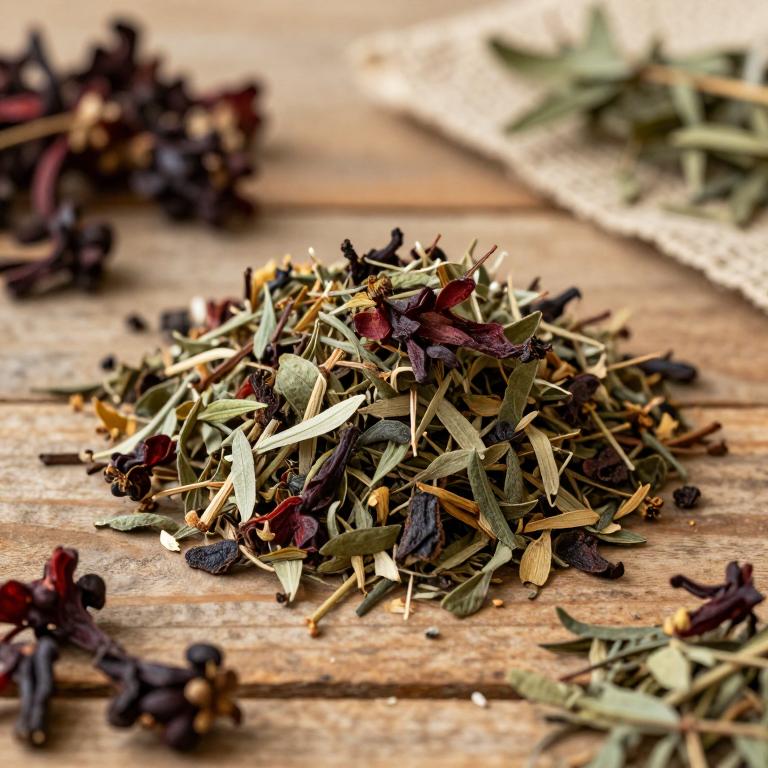
Names and Synonyms
Scientific Names
Accepted name
HibiscusDistribution
This plant exhibits a varied geographical distribution across several regions of the European continent. In Northern Europe, its presence can be documented within the borders of Great Britain. Moving into Middle Europe, the species is found growing in the landscapes of Austria and Belgium. It also maintains a notable presence throughout the territories of Czechia-Slovakia. Finally, the distribution extends further into the central reaches of Germany.
| Region | Area |
|---|---|
| Northern Europe | Great Britain |
| Middle Europe | Austria |
| Middle Europe | Belgium |
| Middle Europe | Czechia-Slovakia |
| Middle Europe | Germany |
| Middle Europe | Hungary |
| Middle Europe | Poland |
| Southwestern Europe | France |
| Southwestern Europe | Portugal |
| Southwestern Europe | Sardegna |
Sources: The World Checklist of Vascular Plants (WCVP)
Plant Parts
Hibiscus has 1 reported plant parts identified across 2 scientific publications and several other databases that are studied for medicinal purposes. The most consistently reported plant part include flower.
| Plant part | Supporting sources | Consensus |
|---|---|---|
| Flower | 2 supporting sources | ★☆☆☆☆ |
Flower
- Plant foods for human nutrition (Dordrecht, Netherlands)
- Journal of midwifery & women's health
Conditions
Hibiscus has 1 reported investigations on conditions identified across 2 scientific publications and several other databases. The most consistently reported conditions include cancer.
| Condition | Supporting sources | Consensus |
|---|---|---|
| Cancer | 1 supporting sources | ★☆☆☆☆ |
Cancer
- Pharmaceuticals (Basel, Switzerland)
Preparations
Hibiscus has 10 reported preparations identified across 2 scientific publications and several other databases. The most consistently reported preparations include extracts, extract, aqueous extracts, condiment form, hibiscus decoction.
| Preparation | Supporting sources | Consensus |
|---|---|---|
| Extracts | 4 supporting sources | ★★☆☆☆ |
| Extract | 3 supporting sources | ★★☆☆☆ |
| Aqueous extracts | 1 supporting sources | ★☆☆☆☆ |
| Condiment form | 1 supporting sources | ★☆☆☆☆ |
| Hibiscus decoction | 1 supporting sources | ★☆☆☆☆ |
| Hibiscus infusion | 1 supporting sources | ★☆☆☆☆ |
| Methanol extract | 1 supporting sources | ★☆☆☆☆ |
| Muesli mixtures | 1 supporting sources | ★☆☆☆☆ |
| Spinach | 1 supporting sources | ★☆☆☆☆ |
| Water extract | 1 supporting sources | ★☆☆☆☆ |
Extracts
- Brain research
- bioRxiv : the preprint server for biology
- Biomeditsinskaia khimiia
- Antioxidants (Basel, Switzerland)
Extract
- bioRxiv : the preprint server for biology
- Journal of oral biosciences
- Antioxidants (Basel, Switzerland)
Aqueous extracts
- International journal of molecular sciences
Condiment form
- African journal of traditional, complementary, and alternative medicines : AJTCAM
Hibiscus decoction
- Food chemistry
Hibiscus infusion
- Food chemistry
Methanol extract
- Microorganisms
Muesli mixtures
- Plant foods for human nutrition (Dordrecht, Netherlands)
Spinach
- African journal of traditional, complementary, and alternative medicines : AJTCAM
Water extract
- Heliyon