Hesperozygis ringens
Hesperozygis ringens · Accepted scientific name
Scientific literature: Very Sparse (1 studies) · ★☆☆☆☆
, scientifically known as Hesperozygis ringens, is a significant medicinal shrub valued in traditional herbal medicine. Often found in tropical regions, this plant is recognized for its diverse therapeutic properties, including anti-inflammatory and antimicrobial activities. Researchers continue to explore its bioactive compounds to develop effective natural healing treatments.
- Family
- Lamiaceae
- Native range
- Southern America
- Parts used
- Not available
- Common names
- Not available
- Scientific synonyms
- Glechon Ringens
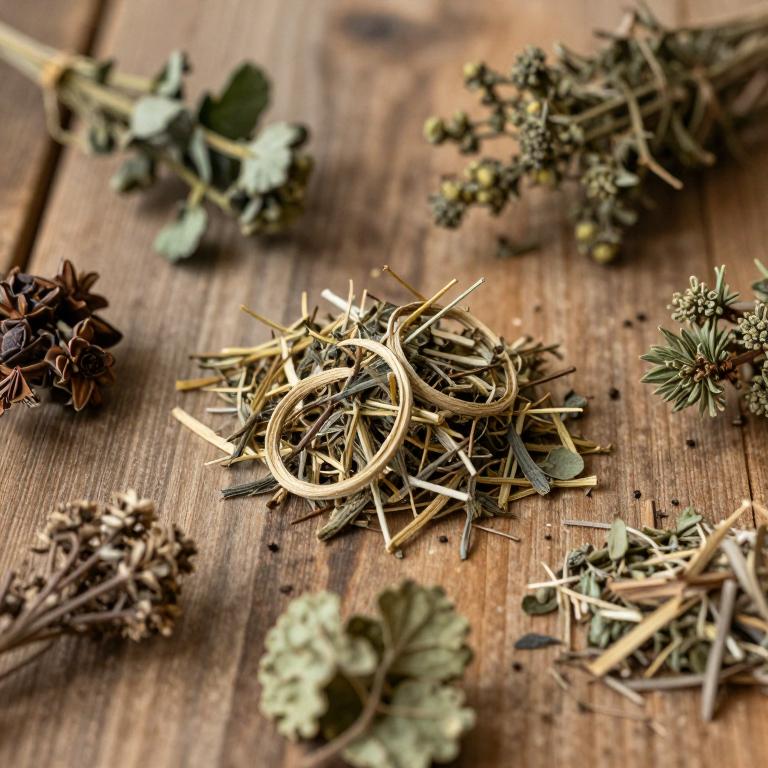
Names and Synonyms
Scientific Names
Accepted name
Hesperozygis ringensSynonyms
- Glechon ringens
Sources: Wikidata
Taxonomical Classification
This plant belongs to the kingdom Plantae within the phylum Streptophyta and the class Equisetopsida. As a member of the subclass Magnoliidae and the order Lamiales, it is classified under the family Lamiaceae. Specifically, it is identified by the genus Hesperozygis, within which the species Hesperozygis ringens is placed.
| Rank | Classification |
|---|---|
| Kingdom | Plantae |
| Phylum | Streptophyta |
| Class | Equisetopsida |
| Subclass | Magnoliidae |
| Order | Lamiales |
| Family | Lamiaceae |
| Genus | Hesperozygis |
Sources: The World Checklist of Vascular Plants (WCVP)
Distribution
This plant, known scientifically as Hesperozygis ringens, exhibits a very specific and localized geographical distribution. Its presence is primarily recorded within the expansive borders of Brazil. More specifically, the species is found inhabiting the southern regions of the country. Because its range is restricted to Brazil South, it is considered a regional component of that specific landscape. Consequently, researchers studying this medicinal plant must focus their field efforts within these particular southern territories.
| Region | Area |
|---|---|
| Brazil | Brazil South |
Sources: The World Checklist of Vascular Plants (WCVP)
Botanical Identification
Ecology
The ecology of Hesperozygis ringens is characterized by its specialized adaptation to high-altitude ecosystems, specifically thriving within the distinct environments of Campo de Altitude and Campo Limpo. These habitats are typically defined by open, sun-exposed landscapes that experience significant environmental fluctuations, including intense solar radiation and potentially harsher climatic conditions compared to lowland areas. In these open grassland formations, the plant occupies niches where competition from dense forest canopies is minimal, allowing it to flourish in the nutrient-cycling processes and specific soil compositions unique to these high-elevation meadow ecosystems.
- Habitat :
- Campo de Altitude, Campo Limpo
Life history
The life history of Hesperozygis ringens is characterized by its status as a perennial plant, allowing it to persist through multiple growing seasons rather than completing its cycle in a single year. As a perennial species, it maintains a continuous presence in its natural habitat, often establishing robust root systems that support long-term survival and repeated reproductive efforts. This longevity enables the plant to adapt to seasonal fluctuations and stabilize itself within its ecological niche over an extended period.
- Lifecycle :
- perennial
Morphology
The morphology of Hesperozygis ringens is characterized by its growth form as a herb, primarily existing as a terrestrial organism rather than an aquatic or semiaquatic species. It functions as an independent plant, showing no parasitic tendencies toward other organisms. While some related taxa may exhibit epiphytic tendencies, this species is classified as terrestrial in its epiphytic status, meaning it does not grow as a holoepiphyte, hemiepiphyte, or facultative epiphyte. Additionally, despite its potential for climbing, its structural development is categorized as self-supporting rather than being an obligatory or facultative climber.
- Aquatic :
- terrestrial
- Climber :
- self-supporting
- Epiphyte :
- terrestrial
- Growth form :
- herb
- Parasite :
- independent
Sources: Global Inventory of Floras and Traits (GIFT)
Chemicals
Hesperozygis ringens has 1 reported phytochemicals identified across 0 scientific publications and several other databases. The most consistently reported chemicals include Isopulegone.
| Chemical | Supporting sources | Consensus |
|---|---|---|
| Isopulegone | 1 supporting sources | ★☆☆☆☆ |
Isopulegone
- Biochemical genetics