Heracleum sphondylium subsp. verticillatum
Heracleum sphondylium subsp. verticillatum · Accepted scientific name
Scientific literature: Very Sparse (0 studies) · ★☆☆☆☆
Heracleum sphondylium subsp. verticillatum is a specific subspecies of hogweed that has garnered scientific interest for its potential therapeutic properties. Research has focused particularly on the plant's root to identify bioactive compounds capable of influencing neurological health. One key chemical component identified within these roots is pimpinellin, which plays a significant role in the plant's pharmacological profile. Recent studies have utilized hexane extracts to isolate these substances for more precise biological testing. These investigations are being conducted to explore how such extracts might provide beneficial effects under the conditions of Alzheimer's Disease.
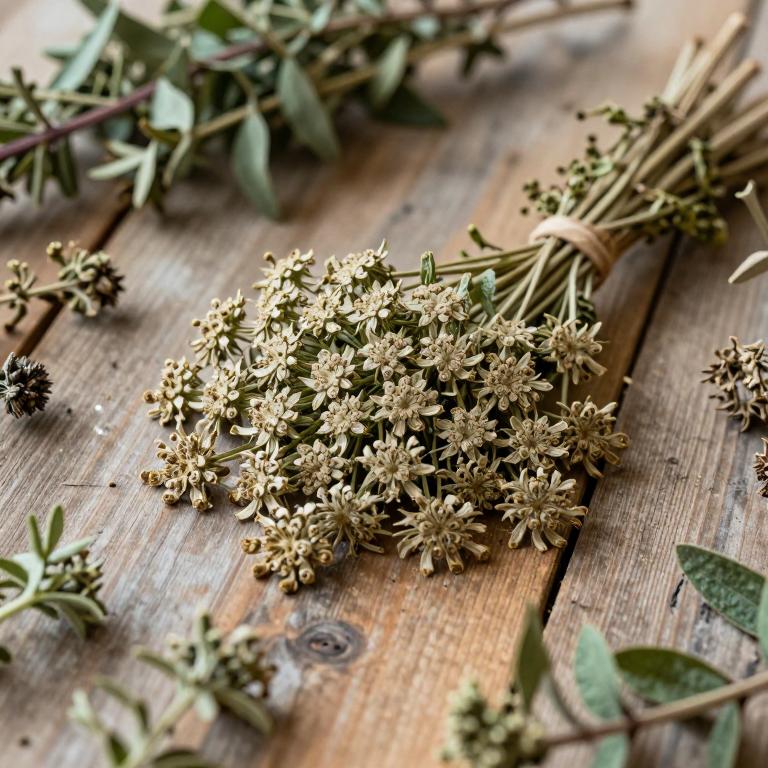
- Synonyms
- Pastinaca Verticillata · Heracleum Verticillatum
- Common names
- Not available
- Family
- Apiaceae
- Distribution
- Northern America
- Plant Parts
- Root
Classification
Synonyms
Heracleum sphondylium subsp. verticillatum is a botanical taxon that is frequently identified through various alternative names in scientific literature. One well-recognized synonym for this specific subspecies is Heracleum verticillatum. Additionally, the plant is often referred to by the synonymous designation Pastinaca verticillata. These overlapping nomenclatures can sometimes cause confusion for researchers navigating taxonomic databases. Understanding these botanical relationships is essential for ensuring accurate identification and consistent communication within the scientific community.
Sources: The World Checklist of Vascular Plants (WCVP)
Taxonomy
Heracleum sphondylium subsp. verticillatum belongs to the vast kingdom Plantae, representing a unique branch of the natural world. Within this biological hierarchy, it is classified under the class Equisetopsida. As a member of the order Apiales, it shares evolutionary traits with many other complex flowering plants. This subspecies is further nested within the family Apiaceae, a group known for its distinctive botanical characteristics. Ultimately, its specific identity is defined by its placement in the genus Heracleum.
| Rank | Classification |
|---|---|
| Kingdom | Plantae |
| Phylum | Streptophyta |
| Class | Equisetopsida |
| Subclass | Magnoliidae |
| Order | Apiales |
| Family | Apiaceae |
| Genus | Heracleum |
Sources: The World Checklist of Vascular Plants (WCVP)
Distribution
Geographic Regions
Heracleum sphondylium subsp. verticillatum is a plant species with a widespread presence across much of Europe. It is particularly prevalent throughout Southeastern Europe, where it establishes itself in various habitats. Its distribution specifically includes the landscapes of Albania and Bulgaria, highlighting its regional importance. Furthermore, the plant can be found throughout Greece, contributing to the biodiversity of the Mediterranean area. Finally, its range extends across the Northwestern Balkan Peninsula, solidifying its footprint in this unique ecological zone.
Sources: The World Checklist of Vascular Plants (WCVP)
Identification
Biological Activities
Compounds
Heracleum sphondylium subsp. verticillatum, also known as Heracleum verticillatum, possesses a unique chemical profile that is of significant pharmacological interest. Research focusing on the hexane extracts of this species has identified pimpinellin as a primary component found within its roots. Beyond this specific constituent, the plant's fruits are characterized by a high concentration of imperatorin. Studies further indicate that the root extracts of this subspecies are particularly effective at inhibiting acetylcholinesterase. These findings highlight the complex phytochemical makeup of the plant and its potential therapeutic applications.
Conditions
Heracleum sphondylium subsp. verticillatum exhibits significant potential in managing Alzheimer's Disease through its inhibitory effects on acetylcholinesterase. The root extracts of this specific subspecies were found to be highly effective, demonstrating a potent inhibitory activity with an IC50 value of 0.30 mg/mL. While the plant shows promise for neurological health, its impact on Type II Diabetes is more limited regarding enzyme inhibition. Specifically, the studied extracts demonstrated only a weak inhibitory effect toward α-amylase, which is an enzyme key to managing diabetes. Consequently, the therapeutic relationship is much stronger for Alzheimer's-related enzymes than for those involved in Type II Diabetes.
Preparations
Heracleum sphondylium subsp. verticillatum is prepared as hexane extracts for scientific evaluation. These specific extracts were investigated to determine their furanocoumarin content and antioxidant potential. Researchers utilized these hexane preparations to test inhibitory activities against enzymes linked to Alzheimer's disease and Type II diabetes. The study specifically focused on how these hexane extracts interact with acetylcholinesterase and α-amylase. Through this preparation method, the medicinal properties of the plant species were systematically analyzed.
Parts used
Heracleum sphondylium subsp. verticillatum contains a specialized root component that is of significant biochemical interest. Research indicates that the roots of this species are a primary source of the compound pimpinellin. Beyond this specific constituent, the root extracts have demonstrated remarkable efficacy in inhibiting acetylcholinesterase. This inhibitory potential suggests that the plant parts may play a role in therapeutic studies related to Alzheimer's disease. Consequently, analyzing the various parts of the plant provides critical insights into its overall medicinal properties.