Heracleum sphondylium subsp. sphondylium
Heracleum sphondylium subsp. sphondylium · Accepted scientific name
Scientific literature: Very Sparse (49 studies) · ★☆☆☆☆
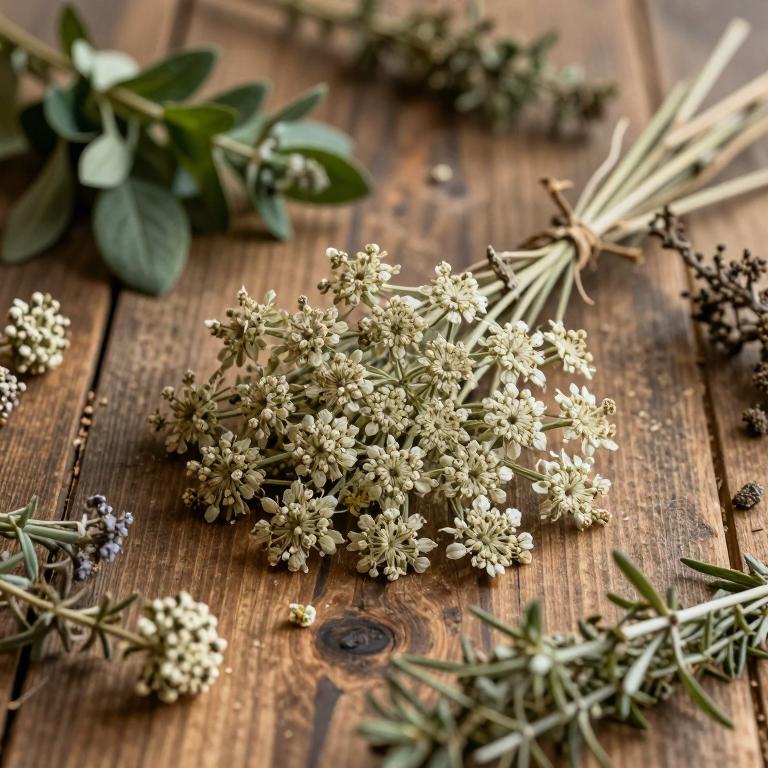
Scientifically known as Heracleum sphondylium subsp. sphondylium, is a robust perennial herb belonging to the Apiaceae family. Historically valued in traditional medicine, this plant features large, umbrella-like umbels. It is recognized for its diverse chemical properties, offering potential therapeutic benefits through its bioactive compounds found within its foliage.
- Family
- Not available
- Native range
- Europe
- Parts used
- Not available
- Common names
- Not available
- Scientific synonyms
- Not available
Names and Synonyms
Scientific Names
Accepted name
Heracleum sphondylium subsp. sphondyliumDistribution
This plant exhibits a specific distribution pattern across several regions of Northern Europe. It can be found growing naturally in the landscapes of Denmark and Finland. Furthermore, its presence extends to the islands of Føroyar and Iceland. The species is also widely distributed throughout Great Britain. These locations collectively define its primary geographical range within the northern territories.
| Region | Area |
|---|---|
| Northern Europe | Denmark |
| Northern Europe | Finland |
| Northern Europe | Føroyar |
| Northern Europe | Great Britain |
| Northern Europe | Iceland |
| Northern Europe | Ireland |
| Northern Europe | Norway |
| Northern Europe | Sweden |
| Middle Europe | Austria |
| Middle Europe | Belgium |
Sources: The World Checklist of Vascular Plants (WCVP)
Chemicals
Heracleum sphondylium subsp. sphondylium has 6 reported phytochemicals identified across 0 scientific publications and several other databases. The most consistently reported chemicals include Angelicin, Bergapten, Isobergapten, Isopimpinellin, Sphondin.
| Chemical | Supporting sources | Consensus |
|---|---|---|
| Angelicin | 1 supporting sources | ★☆☆☆☆ |
| Bergapten | 1 supporting sources | ★☆☆☆☆ |
| Isobergapten | 1 supporting sources | ★☆☆☆☆ |
| Isopimpinellin | 1 supporting sources | ★☆☆☆☆ |
| Sphondin | 1 supporting sources | ★☆☆☆☆ |
| pimpinellin | 1 supporting sources | ★☆☆☆☆ |
Angelicin
- Dr. Duke
Bergapten
- Dr. Duke
Isobergapten
- Dr. Duke
Isopimpinellin
- Dr. Duke
Sphondin
- Dr. Duke
pimpinellin
- Dr. Duke
Activities
Heracleum sphondylium subsp. sphondylium has 43 reported activities identified across 0 scientific publications and several other databases. The most consistently reported activities include Antiaflatoxin, Antiaggregant, Antiapertif, Antiappetant, Antibacterial.
| Activity | Supporting sources | Consensus |
|---|---|---|
| Antiaflatoxin | 1 supporting sources | ★☆☆☆☆ |
| Antiaggregant | 1 supporting sources | ★☆☆☆☆ |
| Antiapertif | 1 supporting sources | ★☆☆☆☆ |
| Antiappetant | 1 supporting sources | ★☆☆☆☆ |
| Antibacterial | 1 supporting sources | ★☆☆☆☆ |
| Anticonvulsant | 1 supporting sources | ★☆☆☆☆ |
| Antifeedant | 1 supporting sources | ★☆☆☆☆ |
| Antiflu | 1 supporting sources | ★☆☆☆☆ |
| Antihistaminic | 1 supporting sources | ★☆☆☆☆ |
| Antiinflammatory | 1 supporting sources | ★☆☆☆☆ |
Antiaflatoxin
- Dr. Duke
Antiaggregant
- Dr. Duke
Antiapertif
- Dr. Duke
Antiappetant
- Dr. Duke
Antibacterial
- Dr. Duke
Anticonvulsant
- Dr. Duke
Antifeedant
- Dr. Duke
Antiflu
- Dr. Duke
Antihistaminic
- Dr. Duke
Antiinflammatory
- Dr. Duke