Hemionitis michelii
Hemionitis michelii · Accepted scientific name
Scientific literature: Very Sparse (1 studies) · ★☆☆☆☆
Hemioniis michelii, scientifically known as Hemioniis michelii, is a remarkable medicinal herb valued in traditional healing practices. Often found in specialized habitats, this plant contains unique bioactive compounds utilized for their therapeutic properties. Understanding its botanical characteristics and medicinal potential offers valuable insights into natural pharmacology and herbal wellness.
- Family
- Pteridaceae
- Native range
- Asia-Temperate
- Parts used
- Not available
- Common names
- Not available
- Scientific synonyms
- Aleuritopteris Argentea Var. Obscura · Hemionitis Qianguiensis · 20 more
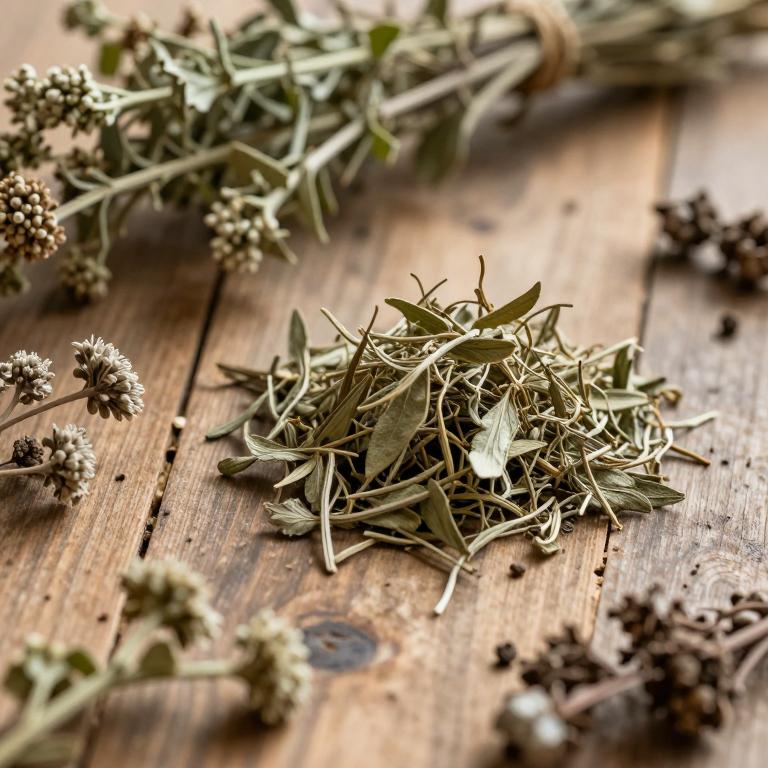
Names and Synonyms
Scientific Names
Accepted name
Hemionitis micheliiSynonyms
- Aleuritopteris argentea var. obscura
- Hemionitis qianguiensis
- Hemionitis shensiensis
- Hemionitis amarganthica
- Hemionitis nuda
- Aleuritopteris argentea var. flava
- Aleuritopteris nuda
- Aleuritopteris shensiensis
- Aleuritopteris argentea
- Cheilanthes argentea
- Doryopteris argentea
- Allosorus argenteus
- Cassebeera argentea
- Dryopteris argentea
- Cheilanthes argentea f. obscura
- Cheilanthes argentea var. sulphurea
- Aleuritopteris argentea var. major
- Doryopteris michelii
- Cheilanthes argentea var. obscura
- Aleuritopteris argentea var. geraniifolia
- Aleuritopteris michelii
- Aleuritopteris qianguiensis
Sources: Wikidata
Taxonomical Classification
This plant belongs to the kingdom Plantae and the phylum Streptophyta within the class Equisetopsida. It is further classified under the subclass Polypodiinae and the order Polypodiales. Finally, it is a member of the family Pteridaceae and falls under the genus Hemionitis.
| Rank | Classification |
|---|---|
| Kingdom | Plantae |
| Phylum | Streptophyta |
| Class | Equisetopsida |
| Subclass | Polypodiinae |
| Order | Polypodiales |
| Family | Pteridaceae |
| Genus | Hemionitis |
Sources: The World Checklist of Vascular Plants (WCVP)
Distribution
This plant, Hemioniis michelii, exhibits a specific geographical distribution across several key regions within Siberia. It can be found growing in the Altay region, which marks one of its notable habitats. The species is also documented in the Republic of Buryatiya, extending its presence across the central part of the territory. Furthermore, its range includes the areas of Chitа and Irkutsk, showing a broad spread through these eastern sectors. Finally, the plant completes its Siberian distribution by occurring within the Krasnoyarsk region.
| Region | Area |
|---|---|
| Siberia | Altay |
| Siberia | Buryatiya |
| Siberia | Chita |
| Siberia | Irkutsk |
| Siberia | Krasnoyarsk |
| Siberia | Tuva |
| Siberia | Yakutiya |
| Russian Far East | Amur |
| Russian Far East | Khabarovsk |
| Russian Far East | Primorye |
Sources: The World Checklist of Vascular Plants (WCVP)
Botanical Identification
Ecology
The ecology of Hemioniis michelii is characterized by its specialized preference for specific geological substrates and terrain types. This species thrives primarily in limestone-rich environments, demonstrating a strong affinity for calcareous soils. Within these landscapes, it is most frequently found colonizing stony places, where its root systems can navigate through rocky crevices and mineral-dense debris. This preference for lithic and stony habitats suggests an adaptation to well-drained, potentially nutrient-limited microenvironments typical of rocky outcrops or scree slopes.
- Habitat :
- limestone, stony places
Life history
The life history of Hemionitis michelii is characterized by a perennial lifecycle, meaning the plant lives for more than two years and maintains its presence in its natural habitat through multiple growing seasons. Unlike annuals that complete their life cycle in a single season or biennials that follow a two-year cycle, this species establishes a long-term presence, often through persistent underground structures that allow it to survive unfavorable conditions and regrow during favorable periods. This perennial nature enables the plant to invest resources into robust growth and reproductive stability over time, contributing to its persistence within its specific ecological niche.
- Lifecycle :
- perennial
Reproduction
The reproduction of Hemionitis michelii is characterized by a specific seasonal flowering cycle that dictates its reproductive period. The flowering process begins in July and continues through the late summer months, eventually concluding in September. This seasonal window defines the timeframe during which the plant produces its reproductive structures, facilitating its biological cycle within its natural habitat.
- Flowering time :
- Jul
- Flowering time :
- Sep
Sources: Global Inventory of Floras and Traits (GIFT)
Chemicals
Hemionitis michelii has 1 reported phytochemicals identified across 0 scientific publications and several other databases. The most consistently reported chemicals include Alepterolic acid.
| Chemical | Supporting sources | Consensus |
|---|---|---|
| Alepterolic acid | 1 supporting sources | ★☆☆☆☆ |
Alepterolic acid
- Bioorganic chemistry