Helleborus orientalis subsp. orientalis
Helleborus orientalis subsp. orientalis · Accepted scientific name
Scientific literature: Very Sparse (0 studies) · ★☆☆☆☆
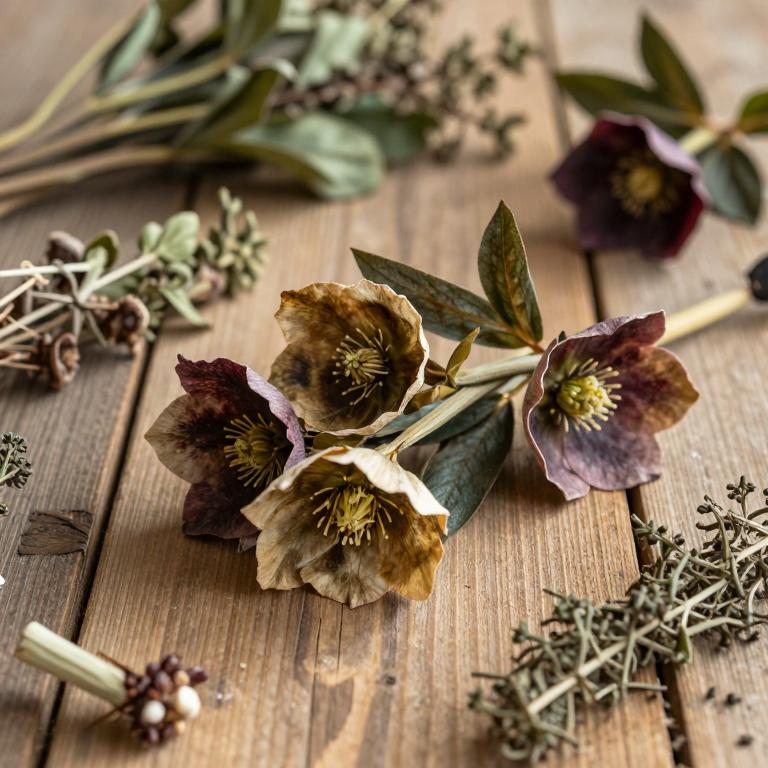
Helleborus orientalis subsp. orientalis, commonly known as the Lenten Rose, is a charming perennial celebrated for its ability to bloom in the late winter and early spring. This elegant plant is particularly noted for its delicate buds, which emerge as promising indicators of the seasonal beauty to come. Gardeners prize this subspecies for its ability to thrive in shaded areas where other flowering plants might struggle. As the buds slowly unfurl, they reveal stunning, cup-shaped flowers in shades of white, pink, or deep purple. Incorporating this hardy species into a landscape provides much-needed color and life during the transition from winter to spring.
- Synonyms
- Helleborus Antiquorum · Helleborus Caucasicus · 12 more
- Common names
- Not available
- Family
- Ranunculaceae
- Distribution
- Not available
- Plant Parts
- Not available
Classification
Common Names
Helleborus orientalis subsp. orientalis is a charming perennial widely recognized by its English common name, the Lenten-rose. In German-speaking regions, this elegant plant is affectionately known as the Orientalische Nieswurz. Those looking for it in Swedish contexts might search for the term storblommig julros. Regardless of the linguistic label used, the plant remains a beloved staple in many temperate gardens. This diversity in naming reflects the widespread appreciation for its beauty across different cultures.
Sources: Catalogue of Life (COL)
Synonyms
Helleborus orientalis subsp. orientalis is a taxonomically complex plant that is frequently identified by several different botanical synonyms. In various botanical records, this subspecies is often referred to as Helleborus antiquorum or Helleborus casta-diva subsp. kochii. It is also closely associated with the name Helleborus caucasicus, reflecting its intricate classification history. Depending on specific morphological traits, it may further be labeled as Helleborus caucasicus var. pallidus or Helleborus caucasicus var. punctatus. Understanding these various nomenclatural relationships is essential for accurate identification in both scientific and horticultural contexts.
Sources: The World Checklist of Vascular Plants (WCVP)
Taxonomy
Helleborus orientalis subsp. orientalis is a fascinating botanical specimen that belongs to the vast kingdom Plantae. Within this kingdom, it is classified under the class Equisetopsida, reflecting its complex biological structure. The plant is further organized into the order Ranunculales, a group of significant evolutionary importance. As a member of the Ranunculaceae family, it shares characteristics with many other diverse flowering species. Ultimately, this specific variety is identified by its distinct genus, Helleborus, which defines its unique identity in the natural world.
| Rank | Classification |
|---|---|
| Kingdom | Plantae |
| Phylum | Streptophyta |
| Class | Equisetopsida |
| Subclass | Magnoliidae |
| Order | Ranunculales |
| Family | Ranunculaceae |
| Genus | Helleborus |
Sources: The World Checklist of Vascular Plants (WCVP)
Distribution
Geographic Regions
Helleborus orientalis subsp. orientalis maintains a diverse geographic presence that spans across several major continents and regions. Its native range extends through the Asia-Temperate zones, specifically within the Caucasus, North Caucasus, and Transcaucasus regions. The subspecies is also found throughout Western Asia, including parts of Türkiye. Moving into Europe, it establishes itself within the Middle Europe region, specifically in areas such as Austria. Furthermore, its distribution continues through the Czechia-Slovakia territory, showcasing its broad ecological adaptability.
Sources: The World Checklist of Vascular Plants (WCVP)
Identification
Biological Activities
Compounds
Conditions
Preparations
Helleborus orientalis subsp. orientalis is_prepared_as buds according to the specified plant relationships. This particular preparation method highlights the specific botanical form being discussed. While the provided abstract details a case involving Helleborus viridis, the requested relationship focuses on the bud stage of the subspecies. Understanding how these plants are prepared is essential for identifying potential toxicological risks. Consequently, the focus remains on the specific morphological state of the plant during preparation.