Helleborus lividus
Helleborus lividus · Accepted scientific name
Scientific literature: Very Sparse (0 studies) · ★☆☆☆☆
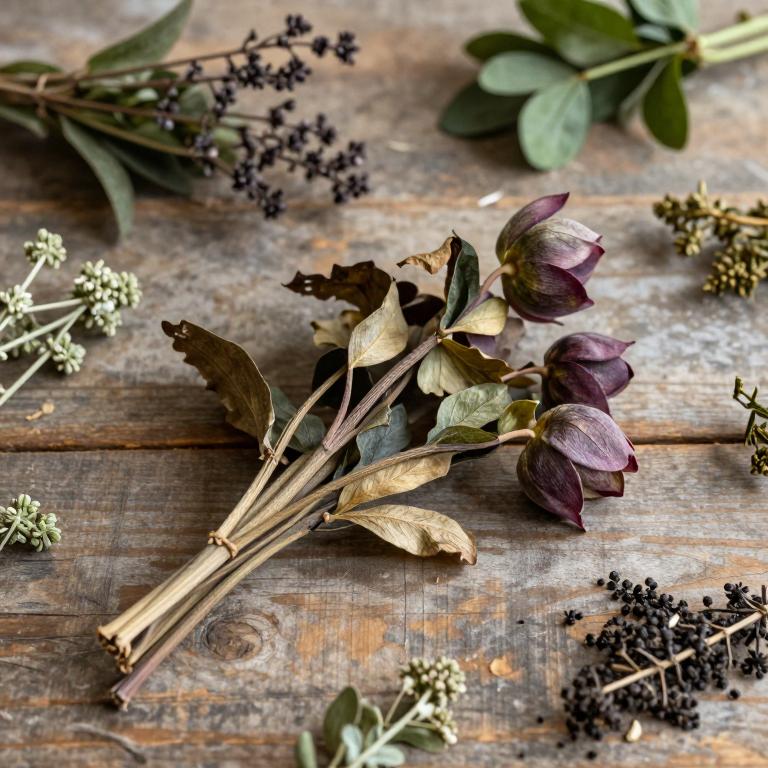
Helleborus lividus is a distinctive perennial species known for its leathery, evergreen foliage and subtle blooms. Often found in specialized Mediterranean habitats, this plant adds a unique architectural element to shaded garden landscapes. In various traditional contexts, the whole plants are collected and utilized for specific botanical preparations. Careful attention must be paid to its handling, as many members of the Helleborus genus contain bioactive compounds. Understanding the specific characteristics of this species is essential for both horticultural enjoyment and proper study.
- Synonyms
- Helleborus Lividus Var. Integrifolius · Helleborus Trifolius Var. Integrifolius · 5 more
- Common names
- Not available
- Family
- Ranunculaceae
- Distribution
- Asia-Tropical
- Plant Parts
- Not available
Classification
Common Names
Helleborus lividus is a fascinating plant that is recognized by various regional names across different languages. It is most frequently identified by its common English name, the Majorcan Hellebore. In other parts of Europe, it may be referred to as the Balearjulros or the Mallorquinische Nieswurz. Linguistic variations even extend to names like korzikai hunyor and saarijouluruusu. Understanding these diverse aliases is essential for anyone studying this specific species globally.
Sources: Catalogue of Life (COL)
Synonyms
Helleborus lividus is a complex species that is recognized through several different botanical synonyms. Taxonomists have categorized various forms of this plant, including Helleborus corsicus f. angustifolius and Helleborus corsicus f. latifolius. It is also known by the name Helleborus corsicus var. pictus in certain botanical contexts. Furthermore, the plant is identified as Helleborus lividus var. integrifolius and Helleborus trifolius subsp. lividus. These overlapping designations highlight the intricate classification history associated with this specific hellebore.
Sources: The World Checklist of Vascular Plants (WCVP)
Taxonomy
Helleborus lividus is a fascinating botanical specimen that belongs to the kingdom Plantae. Within this vast biological kingdom, the plant is classified under the class Equisetopsida. It further descends through the order Ranunculales, showcasing its specific evolutionary lineage. This species is a distinguished member of the genus Helleborus, which defines its unique morphological characteristics. Finally, it finds its place within the Ranunculaceae family, marking its close ties to other flowering relatives.
| Rank | Classification |
|---|---|
| Kingdom | Plantae |
| Phylum | Streptophyta |
| Class | Equisetopsida |
| Subclass | Magnoliidae |
| Order | Ranunculales |
| Family | Ranunculaceae |
| Genus | Helleborus |
Sources: The World Checklist of Vascular Plants (WCVP)
Distribution
Geographic Regions
Helleborus lividus is a distinctive plant species with a specialized geographic footprint. Its native distribution is primarily concentrated throughout Europe, where it finds ideal growing conditions. More specifically, the species thrives across the diverse landscapes of Southwestern Europe. It is also notably found nestled within the unique ecosystems of the Baleares. Understanding these specific regional connections is essential for anyone studying its natural habitat.
Sources: The World Checklist of Vascular Plants (WCVP)
Identification
Morphology
Helleborus lividus is characterized by its distinct subshrub growth form, making it a unique addition to any garden landscape.
Sources: Global Inventory of Floras and Traits (GIFT)
Biological Activities
Compounds
Conditions
Helleborus lividus contains bufadienolide glycosides and bufadienolides that exhibit significant cytotoxic activity against specific cancer cell lines. These plant-derived compounds effectively treat HL-60 human leukemia cells by inducing apoptosis through a mitochondria-dependent pathway. Additionally, the extract demonstrates potent therapeutic potential against A549 human lung adenocarcinoma cells. The research indicates that these compounds induce tumor cell death via mechanisms other than Na+/K+ ATPase inhibition. Consequently, the bioactive components of Helleborus lividus show promise in targeting both leukemia and lung adenocarcinoma cells.
Preparations
Helleborus lividus is prepared as whole plants to facilitate the extraction of bufadienolide glycosides and bufadienolides. Researchers utilized a methanol extract derived from these whole plants to perform cytotoxicity-guided fractionation. This process successfully isolated five new bufadienolide glycosides and two new bufadienolides. The chemical compounds obtained from the whole plant preparation demonstrated significant cytotoxic activity against specific human cancer cell lines. Ultimately, the study used these plant-derived substances to investigate mitochondrial-dependent apoptotic pathways.