Heliotropium
Heliotropium · Accepted scientific name
Scientific literature: Very Sparse (0 studies) · ★☆☆☆☆
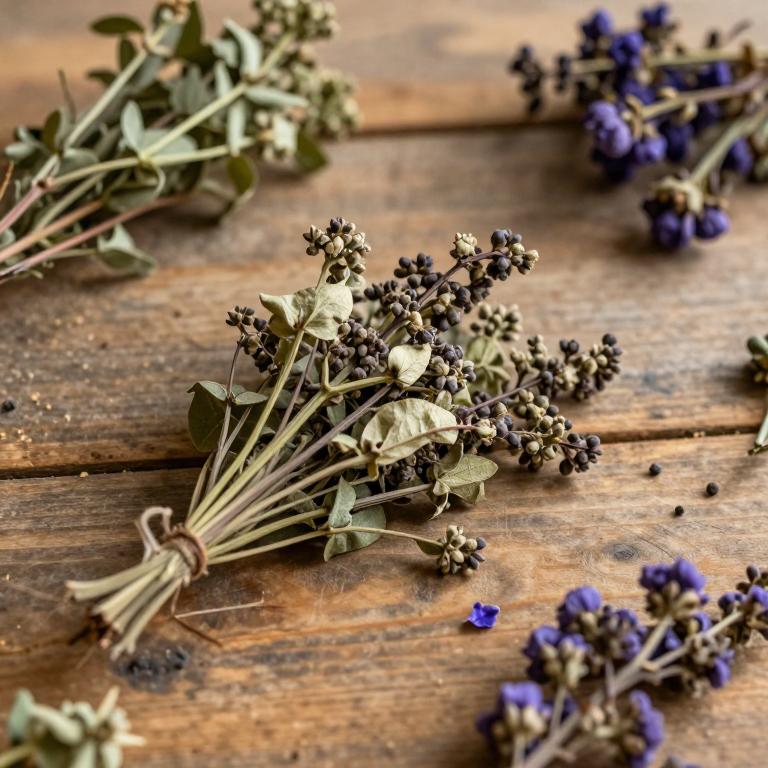
Heliotropium is a diverse genus of flowering plants known for their striking, sun-loving characteristics. While many species are admired for their fragrant blooms, certain varieties have historical associations with traditional medicinal practices. One unique way this plant has been utilized is through the careful preparation of tea. However, extreme caution is necessary because many species in this genus contain toxic alkaloids. Understanding the proper handling and identification of these plants is essential before any botanical use is attempted.
- Synonyms
- Lithococca · Tetrandra · 19 more
- Common names
- Not available
- Family
- Boraginaceae
- Distribution
- Not available
- Plant Parts
- Not available
Classification
Common Names
Heliotropium is a diverse genus known by several different common names depending on the region and language. It is frequently referred to as Heliotroop or Heliotrop in various botanical circles. Some people also use the name Heliotropes to identify this unique group of plants. In certain contexts, it is even recognized by the term Heliotropslægten. Additionally, the plant is known by the common name Bambul Otu in specific local traditions.
Sources: Catalogue of Life (COL)
Synonyms
Heliotropium is a diverse genus that has historically been classified under several different botanical names. Taxonomic studies have revealed that it encompasses various synonyms, including the names Beruniella and Bourjotia. Furthermore, the genus is linked to the nomenclature of Bucanion and Ceballosia in older scientific literature. Researchers also recognize Cochranea as a synonym that has been integrated into the broader understanding of this plant group. These varied designations highlight the complex evolutionary and nomenclatural history shared by these related taxa.
Sources: The World Checklist of Vascular Plants (WCVP)
Taxonomy
Heliotropium belongs to the expansive kingdom Plantae, representing a diverse group of multicellular organisms. Within this vast kingdom, the plant is categorized under the class Equisetopsida. It further descends through the order Boraginales, a lineage that defines its evolutionary path. As a member of the family Boraginaceae, it shares distinct characteristics with many other flowering species. Ultimately, it is defined by its own specific genus, Heliotropium, which characterizes its unique botanical identity.
| Rank | Classification |
|---|---|
| Kingdom | Plantae |
| Phylum | Streptophyta |
| Class | Equisetopsida |
| Subclass | Magnoliidae |
| Order | Boraginales |
| Family | Boraginaceae |
| Genus | Heliotropium |
Sources: The World Checklist of Vascular Plants (WCVP)
Distribution
Geographic Regions
Heliotropium exhibits a diverse geographic range that spans across several distinct regions of the African continent. In East Tropical Africa, the genus is well-established within the landscapes of Kenya, Tanzania, and Uganda. Beyond the mainland, its presence extends toward the Atlantic islands located in the Macaronesia region. Specifically, these plants can be found thriving in the unique environments of both the Azores and the Canary Islands. This broad distribution highlights the adaptability of the genus across varied African and oceanic ecosystems.
Sources: The World Checklist of Vascular Plants (WCVP)
Identification
Biological Activities
Compounds
Conditions
Heliotropium is a genus of plants that holds a complex position in relation to liver health and toxin management. While certain herbal preparations are utilized for the treatment of various human liver disorders such as cirrhosis and hepatitis, the plant is also specifically implicated in the toxicity of pyrrolizidine alkaloids. These alkaloids are known to cause obstructions in the hepatic venous system and can lead to severe conditions like hepatonecrosis. Consequently, the relationship between Heliotropium and the liver involves both its potential role in medicinal treatments and its documented capacity to contribute to hepatic injury. Understanding these dual roles is essential when evaluating the safety and efficacy of herbal-based systems for liver targeting.
Preparations
Heliotropium is one of many plant species containing toxic pyrrolizidine alkaloids. These alkaloids are particularly dangerous because they can cause obstruction of the hepatic venous system and lead to hepatonecrosis. In certain regions such as Africa or Central America, intoxication is sometimes endemic due to the way these plants are used. Specifically, Heliotropium is prepared as tea, which facilitates the ingestion of these harmful compounds. Consequently, consuming such preparations can lead to severe clinical manifestations and high mortality rates.