Heliotropium zeylanicum
Heliotropium zeylanicum · Accepted scientific name
Scientific literature: Very Sparse (12 studies) · ★☆☆☆☆
Heliotropium zeylanicum, scientifically known as Heliotropium zeylanicum, is a significant medicinal herb native to South Asia. Traditionally utilized in Ayurvedic medicine, this plant possesses diverse therapeutic properties. It is frequently employed to treat ailments ranging from skin disorders to respiratory issues, showcasing its profound importance in natural pharmacology.
- Family
- Not available
- Native range
- Africa
- Parts used
- Leaf
- Common names
- Not available
- Scientific synonyms
- Not available
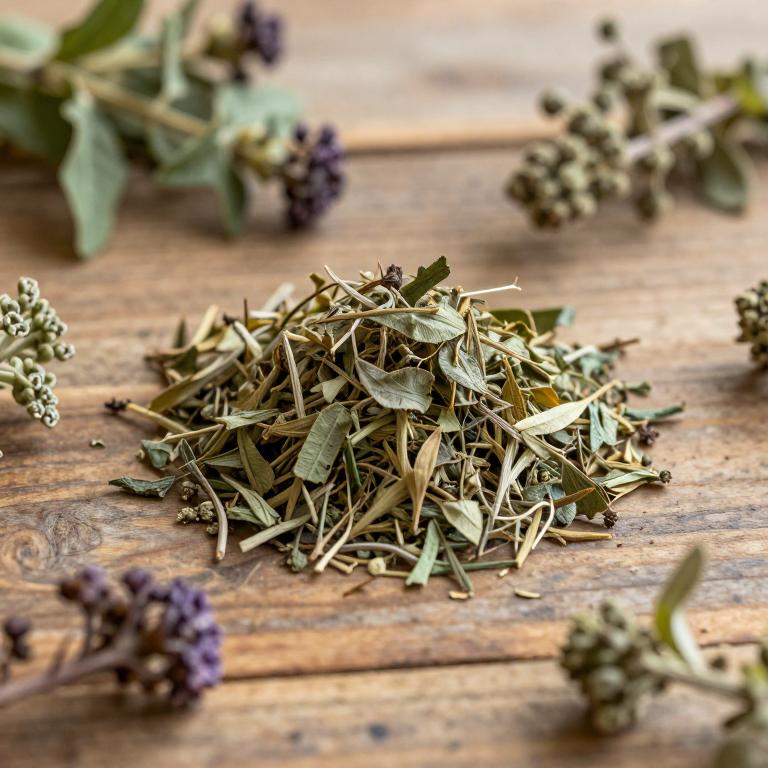
Names and Synonyms
Scientific Names
Accepted name
Heliotropium zeylanicumDistribution
This plant exhibits a specific geographical presence across the West Tropical Africa region. It can be found growing within the borders of Burkina. Additionally, its distribution extends into the territories of Mali and Mauritania. The species is also documented to inhabit parts of Niger. Finally, its range includes the nation of Nigeria.
| Region | Area |
|---|---|
| West Tropical Africa | Burkina |
| West Tropical Africa | Mali |
| West Tropical Africa | Mauritania |
| West Tropical Africa | Nigeria |
| West Tropical Africa | Niger |
| West Tropical Africa | Senegal |
| West-Central Tropical Africa | Burundi |
| West-Central Tropical Africa | Cameroon |
| West-Central Tropical Africa | DR Congo |
| Northeast Tropical Africa | Chad |
Sources: The World Checklist of Vascular Plants (WCVP)
Plant Parts
Heliotropium zeylanicum has 1 reported plant parts identified across 1 scientific publications and several other databases that are studied for medicinal purposes. The most consistently reported plant part include leaf.
| Plant part | Supporting sources | Consensus |
|---|---|---|
| Leaf | 1 supporting sources | ★☆☆☆☆ |
Leaf
- Inflammation & allergy drug targets
Chemicals
Heliotropium zeylanicum has 5 reported phytochemicals identified across 1 scientific publications and several other databases. The most consistently reported chemicals include ERIODICTYOL, Flavonoids, Galangin, Pinocembrin, Tricetin.
| Chemical | Supporting sources | Consensus |
|---|---|---|
| ERIODICTYOL | 1 supporting sources | ★☆☆☆☆ |
| Flavonoids | 1 supporting sources | ★☆☆☆☆ |
| Galangin | 1 supporting sources | ★☆☆☆☆ |
| Pinocembrin | 1 supporting sources | ★☆☆☆☆ |
| Tricetin | 1 supporting sources | ★☆☆☆☆ |
ERIODICTYOL
- Inflammation & allergy drug targets
Flavonoids
- Inflammation & allergy drug targets
Galangin
- Cytotechnology
Pinocembrin
- Inflammation & allergy drug targets
Tricetin
- Cytotechnology
Activities
Heliotropium zeylanicum has 4 reported activities identified across 1 scientific publications and several other databases. The most consistently reported activities include Antimicrobial, Antineoplastic, Antioxidant, Cytotoxic.
| Activity | Supporting sources | Consensus |
|---|---|---|
| Antimicrobial | 1 supporting sources | ★☆☆☆☆ |
| Antineoplastic | 1 supporting sources | ★☆☆☆☆ |
| Antioxidant | 1 supporting sources | ★☆☆☆☆ |
| Cytotoxic | 1 supporting sources | ★☆☆☆☆ |
Antimicrobial
- Inflammation & allergy drug targets
Antineoplastic
- Cytotechnology
Antioxidant
- Cytotechnology
Cytotoxic
- Cytotechnology
Preparations
Heliotropium zeylanicum has 2 reported preparations identified across 1 scientific publications and several other databases. The most consistently reported preparations include resinous exudate, dichloromethane fraction of resinous exudate.
| Preparation | Supporting sources | Consensus |
|---|---|---|
| Resinous exudate | 2 supporting sources | ★☆☆☆☆ |
| Dichloromethane fraction of resinous exudate | 1 supporting sources | ★☆☆☆☆ |
Resinous exudate
- Cytotechnology
- Inflammation & allergy drug targets
Dichloromethane fraction of resinous exudate
- Cytotechnology