Heliotropium verdcourtii
Heliotropium verdcourtii · Accepted scientific name
Scientific literature: Very Sparse (0 studies) · ★☆☆☆☆
Heliotropium verdcourtii is a botanical species that has garnered significant attention within the field of ethnopharmacology. Researchers are particularly interested in the medicinal potential of its leaves due to their unique chemical composition. Recent studies suggest that extracts from these leaves may play a role in managing physiological complications related to Diabetes Mellitus. By exploring its bioactive compounds, scientists aim to understand how this plant can assist in regulating blood glucose levels. This investigation highlights the importance of traditional flora in discovering new therapeutic pathways for metabolic disorders.
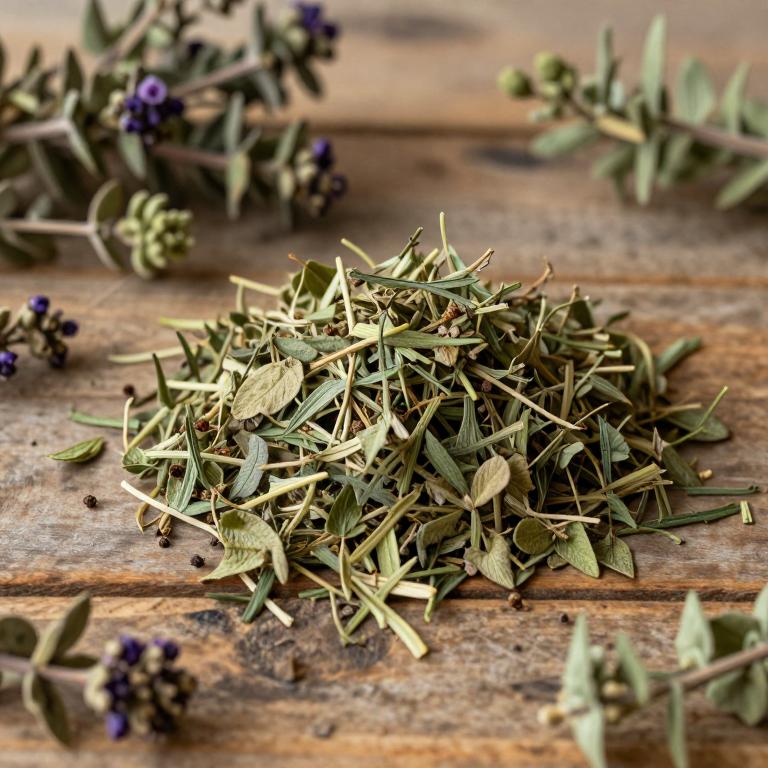
- Synonyms
- Messerschmidia Tomentosa · Oskampia Hirsuta · 20 more
- Common names
- Not available
- Family
- Boraginaceae
- Distribution
- Not available
- Plant Parts
- Leaf
Classification
Common Names
Heliotropium verdcourtii is a versatile plant recognized by a diverse array of regional and descriptive names. Locally, it is frequently referred to as the Cattle Tongue Greasy Bush or the Jigger Bush, reflecting its unique physical textures. In some areas, it is known by the common name Chiggery grapes, while others call it Hierba rasposa. It also carries the distinct Portuguese name Cereja-branca-de-cipó. These various monikers highlight the plant's wide cultural presence and the many ways different communities identify it.
Sources: Catalogue of Life (COL)
Synonyms
Heliotropium verdcourtii is a botanical species characterized by a complex history of taxonomic nomenclature. Throughout various scientific studies, it has been identified by several different names, including the synonyms Bourreria cumanensis and Cordia pellita. Researchers have also documented its connection to Ehretia cumanensis and the specific variety Ehretia laevis var. cymosa. Furthermore, the plant is recognized in certain records as Heliotropium funkiae. Understanding these overlapping relationships is essential for maintaining accuracy in botanical classification.
Sources: The World Checklist of Vascular Plants (WCVP)
Taxonomy
Heliotropium verdcourtii is a unique member of the kingdom Plantae that showcases the complex biological hierarchy of the natural world. Belonging to the class Equisetopsida, this species is defined by its specific evolutionary lineage. It is nested within the order Boraginales, which helps scientists understand its structural development. Furthermore, it is classified under the family Boraginaceae, a group known for its distinct botanical characteristics. Ultimately, its placement within the genus Heliotropium highlights its close relationship to other similar flowering plants.
| Rank | Classification |
|---|---|
| Kingdom | Plantae |
| Phylum | Streptophyta |
| Class | Equisetopsida |
| Subclass | Magnoliidae |
| Order | Boraginales |
| Family | Boraginaceae |
| Genus | Heliotropium |
Sources: The World Checklist of Vascular Plants (WCVP)
Distribution
Geographic Regions
Heliotropium verdcourtii is widely distributed throughout various regions of Northern America. Within this territory, the plant holds a particularly strong presence across Mexico. It can be found spanning the diverse landscapes of Central Mexico and the Gulf regions. Additionally, its range extends into the Northeast, Northwest, and Southeast portions of the country. This widespread occurrence highlights the plant's adaptability to different Mexican environments.
Sources: The World Checklist of Vascular Plants (WCVP)
Identification
Morphology
Heliotropium verdcourtii is characterized by its distinct growth form as a sturdy shrub. This species is entirely self-supporting, allowing it to maintain its structure within its natural habitat.
Sources: Global Inventory of Floras and Traits (GIFT)
Biological Activities
Compounds
Conditions
Heliotropium verdcourtii treats antioxidant and antidiabetic activities as indicated by the specified relationships. This plant also treats antioxidant and antidiabetic potentials through its bioactive constituents. Furthermore, Heliotropium verdcourtii treats diabetes to help manage the condition effectively. It is specifically noted that Heliotropium verdcourtii treats diabetes mellitus in various medicinal contexts. These diverse therapeutic roles highlight the plant's significant biological functions.
Preparations
Parts used
Heliotropium verdcourtii is a plant species that possesses the leaf as a specific anatomical part. While the provided research focuses on the medicinal properties of other species, understanding such morphological relationships is essential for botanical classification. For instance, studies on plants like Croton dichogamus and Ehretia cymosa utilize leaf extracts to investigate potential anti-malarial activities. In these investigations, the chemical constituents found within the leaves are evaluated for their ability to suppress parasitemia in infected subjects. Ultimately, identifying the specific parts of a plant, such as the leaves of Heliotropium verdcourtii, remains a fundamental step in exploring natural sources for new drugs.