Helichrysum
Helichrysum · Accepted scientific name
Scientific literature: Very Sparse (0 studies) · ★☆☆☆☆
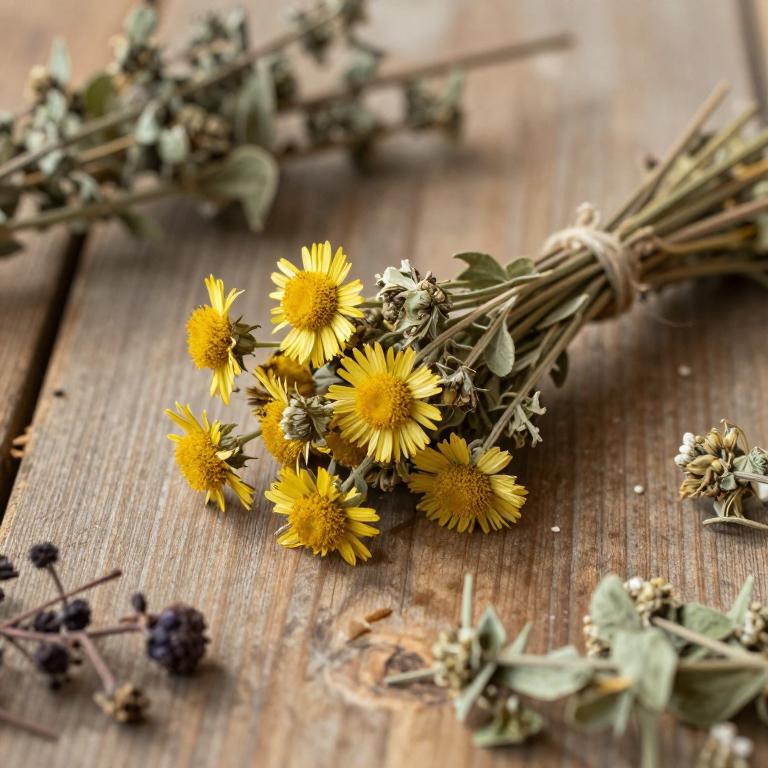
Helichrysum is a versatile botanical known for its striking blooms and potent therapeutic properties. While many individuals seek this plant for its skin-healing capabilities, its role in metabolic health is increasingly being explored. For those managing Diabetes Mellitus, certain studies suggest that the plant may assist in regulating blood sugar levels. Integrating such natural remedies requires careful consideration of how they interact with standard glycemic treatments. Always consult a healthcare professional before using Helichrysum to complement a diabetes management plan.
- Synonyms
- Stoechas · Spiralepis · 8 more
- Common names
- Not available
- Family
- Asteraceae
- Distribution
- Not available
- Plant Parts
- Not available
Classification
Common Names
Helichrysum is a versatile genus of plants that is widely recognized by several different names depending on the region and language. It is most commonly known in English as everlasting flowers or simply as everlastings. In some Mediterranean contexts, you may encounter it referred to by its common name, elicriso. Scandinavian enthusiasts often identify the plant as evighedsblomst or as part of the specific group known as evighedsblomst (helichrysum-slægten). Regardless of the nomenclature used, these resilient blooms are celebrated globally for their striking and enduring beauty.
Sources: Catalogue of Life (COL)
Synonyms
Helichrysum is a diverse genus that encompasses a wide range of botanical classifications and historical synonyms. Within its complex taxonomy, several genera have been reclassified, including Argyrocome and Cyttarium. The plant's lineage also shares connections with the previously recognized names Euchloris and Leontonyx. Furthermore, the genus has been linked to the synonym Lepiscline in various scientific records. Understanding these relationships is essential for navigating the intricate history of its botanical nomenclature.
Sources: The World Checklist of Vascular Plants (WCVP)
Taxonomy
Helichrysum is a fascinating botanical subject that belongs to the expansive kingdom Plantae. Within this vast realm, it is specifically classified under the class Equisetopsida. The plant follows the taxonomic order Asterales, which brings it into closer proximity to other diverse species. It is further categorized within the well-known family Asteraceae, a group famous for its complex flower heads. Ultimately, this unique specimen is defined by its placement within the specific genus Helichrysum.
| Rank | Classification |
|---|---|
| Kingdom | Plantae |
| Phylum | Streptophyta |
| Class | Equisetopsida |
| Subclass | Magnoliidae |
| Order | Asterales |
| Family | Asteraceae |
| Genus | Helichrysum |
Sources: The World Checklist of Vascular Plants (WCVP)
Distribution
Geographic Regions
Helichrysum exhibits a diverse and widespread distribution across several key regions of the African continent. Within East Tropical Africa, these plants can be found thriving in the varied landscapes of Kenya, Tanzania, and Uganda. The genus also extends its reach to the Macaronesian islands, establishing a presence in the Canary Islands. Furthermore, its range includes the unique ecosystems found within Cape Verde. This broad geographical spread highlights the remarkable adaptability of the Helichrysum genus across different African environments.
Sources: The World Checklist of Vascular Plants (WCVP)
Identification
Biological Activities
Compounds
Helichrysum species are widely recognized for their diverse phytochemical profiles and significant traditional medicinal applications. Among the various specialized metabolites found within these plants, phloroglucinol $\alpha$-pyrone derivatives stand out as a structurally unique class of compounds. Within this group, arzanol has emerged as the most extensively studied constituent due to its notable pharmacological properties. This specific compound demonstrates potent biological activities, including the dual inhibition of mPGES-1 and 5-LOX. Consequently, the presence of arzanol highlights the significant therapeutic potential inherent in the chemical makeup of the Helichrysum genus.
Conditions
Helichrysum species are widely documented in folk medicine for their ability to treat diabetes mellitus. These plants are utilized in various regions of the world specifically for the management of DM. Research indicates that approximately twenty-two species within this genus have been reported for the treatment of diabetes. Scientific investigations have focused on fifteen of these species to confirm their antidiabetic activities. Furthermore, twelve specific compounds have been identified as bioactive constituents that help treat diabetes.