Helichrysum tenax var. tenax
Helichrysum tenax var. tenax · Accepted scientific name
Scientific literature: Very Sparse (1 studies) · ★☆☆☆☆
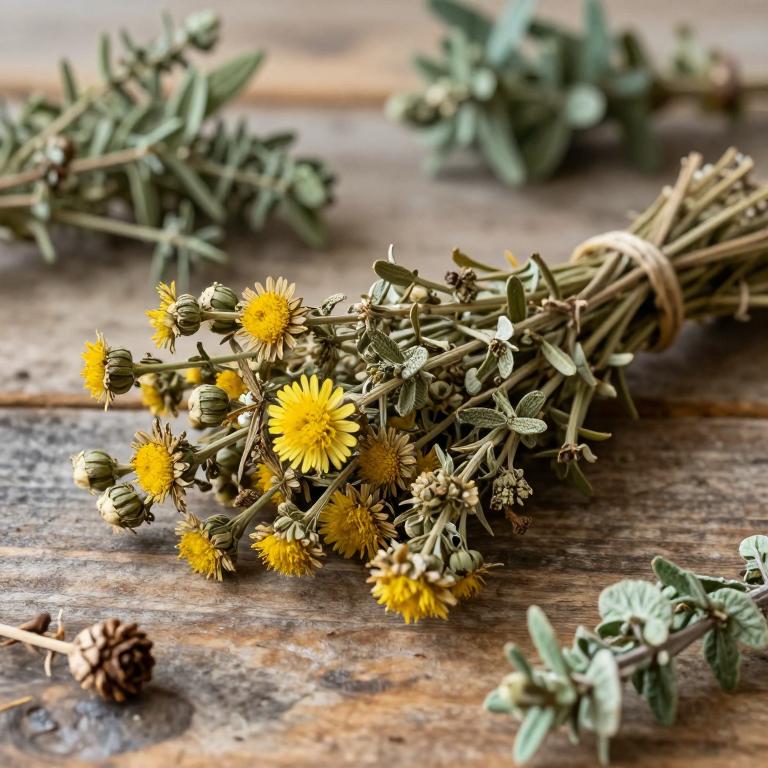
Helichrysum tenax var. tenax is a botanical species that has garnered scientific interest due to its diverse therapeutic potential. Recent investigations have focused on the antimicrobial activities exhibited by the plant's leaf components. Specifically, researchers have utilized a hexane extract to evaluate the effectiveness of these biological compounds. This preparation has demonstrated significant inhibitory effects against specific bacterial strains, including Bacillus cereus and Staphylococcus epidermidis. Understanding these properties provides valuable insight into the plant's role in natural pharmacology.
- Synonyms
- Not available
- Common names
- Not available
- Family
- Asteraceae
- Distribution
- Not available
- Plant Parts
- Leaf
Classification
Taxonomy
Helichrysum tenax var. tenax is a distinctive member of the kingdom Plantae. Within this vast botanical realm, it is specifically classified under the class Equisetopsida. This plant belongs to the order Asterales, showcasing its evolutionary connections to other flowering species. It is further nested within the large and diverse family Asteraceae. Ultimately, this variety is defined by its placement in the genus Helichrysum.
| Rank | Classification |
|---|---|
| Kingdom | Plantae |
| Phylum | Streptophyta |
| Class | Equisetopsida |
| Subclass | Magnoliidae |
| Order | Asterales |
| Family | Asteraceae |
| Genus | Helichrysum |
Sources: The World Checklist of Vascular Plants (WCVP)
Distribution
Geographic Regions
Helichrysum tenax var. tenax is a resilient plant species native to the diverse landscapes of Africa. Its geographic range is primarily concentrated within the Southern African region, where it thrives in varied environments. Specifically, this variety can be found throughout the Cape Provinces, showcasing its adaptability to different climates. Its presence also extends into the lush terrains of KwaZulu-Natal, contributing to the local biodiversity. Furthermore, the distribution of this plant reaches into the high-altitude regions of Lesotho, marking its significant ecological footprint.
Sources: The World Checklist of Vascular Plants (WCVP)
Identification
Biological Activities
Helichrysum tenax var. tenax possesses notable antimicrobial properties derived from the unique chemical composition of its leaves. The plant's surface is densely covered in sticky glandular trichomes that exude a specialized mixture of diterpenes. Research indicates that specific monomeric and dimeric compounds, such as ent-beyer-15-en-19-ol, are key components of these extracts. Testing has demonstrated that these constituents exhibit high activity against pathogens like Bacillus cereus and Staphylococcus epidermidis. These findings highlight the significant potential of the plant's chemical constituents in combating microbial growth.
Compounds
Conditions
Helichrysum tenax var. tenax possesses antimicrobial properties derived from the diterpenes found within its leaves. Specifically, the compound ent-beyer-15-en-19-ol serves as a highly active agent against certain bacteria. This substance demonstrates significant effectiveness in treating Bacillus cereus with a measured activity of 3.1 microg/ml. Additionally, the plant extract shows potent activity against Staphylococcus epidermidis at a concentration of 3.6 microg/ml. These specific chemical constituents enable the plant to combat both bacterial species effectively.
Preparations
Helichrysum tenax var. tenax serves as the biological source for a specific hexane extract derived from its fresh, air-dried leaves. This extraction process is used to isolate various antimicrobial monomeric and dimeric diterpenes from the plant material. Within this hexane extract, researchers identified several key compounds, including ent-beyer-15-en-19-ol and its 4-epimer. These extracted constituents are primarily found within the sticky, fine glandular trichomes that densely cover the leaves. Ultimately, the hexane extract provides the necessary medium to study the high antimicrobial activity of these specific diterpenes against bacteria.
Parts used
Helichrysum tenax var. tenax is a plant species characterized by its distinctive leaves that serve as a primary source of bioactive compounds. These leaves are densely covered in fine, sticky glandular trichomes that exude a unique mixture of diterpenes. Chemical analysis of the leaf extracts has identified several important monomers and dimers, such as ent-beyer-15-en-19-ol. These specific constituents play a vital role in the plant's chemical profile and ecological functions. Furthermore, research indicates that the substances found within the leaves possess significant antimicrobial activity against various bacteria.