Helichrysum orientale
Helichrysum orientale · Accepted scientific name
Scientific literature: Very Sparse (0 studies) · ★☆☆☆☆
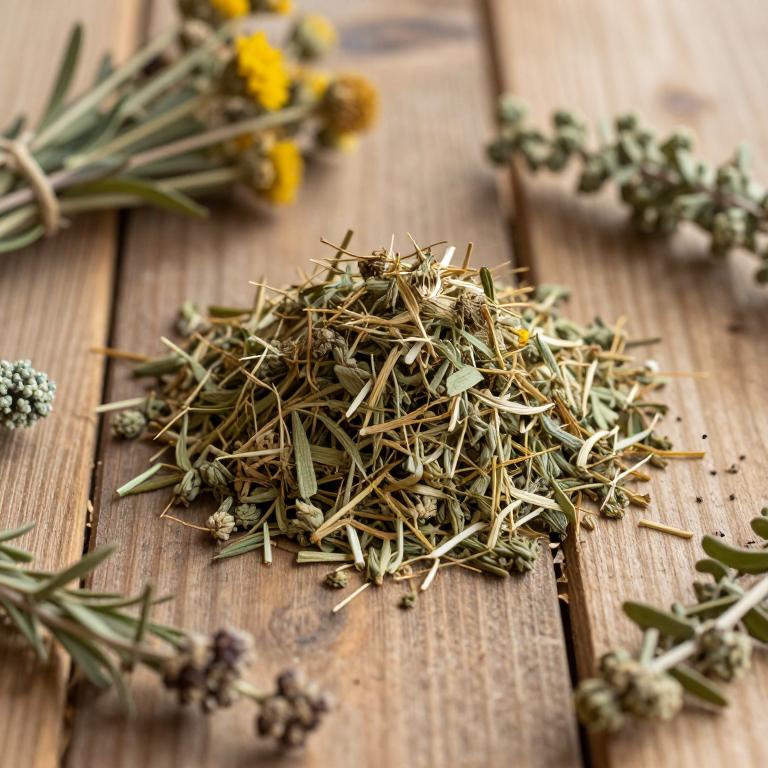
Helichrysum orientale is a distinctive flowering plant known for its unique botanical characteristics and potential therapeutic uses. Researchers often utilize methanol extracts to isolate its bioactive compounds for further scientific study. Beyond laboratory applications, the plant is traditionally prepared as a tea for various wellness purposes. This versatile species offers a fascinating subject for those interested in both herbalism and phytochemistry. Understanding its diverse preparations is essential for exploring its full medicinal profile.
- Synonyms
- Helichrysum Pichleri · Gnaphalium Africanum · 3 more
- Common names
- Not available
- Family
- Asteraceae
- Distribution
- Asia-Tropical
- Plant Parts
- Not available
Classification
Common Names
Helichrysum orientale is a fascinating plant known by a diverse array of names across different cultures and languages. In English-speaking regions, it is most frequently referred to by the common names Eastern Strawflower or busketernell. Its linguistic reach extends further into Europe, where it is recognized as keltaolkikukka in certain contexts. In Slovak, the species is identified as slamiha východná, highlighting its botanical presence in Central Europe. Finally, German speakers often call this vibrant species the Östliche Strohblume, completing its multicultural identity.
Sources: Catalogue of Life (COL)
Synonyms
Helichrysum orientale is a complex species known to be associated with several different botanical names throughout history. Taxonomists have identified various synonyms for this plant, including Gnaphalium africanum and Gnaphalium hortense. It has also been classified under the name Gnaphalium orientale in different scientific contexts. Furthermore, the plant's identity is linked to the synonyms Helichrysum elongatum and Helichrysum pichleri. Understanding these various nomenclatural relationships is essential for accurate botanical identification and study.
Sources: The World Checklist of Vascular Plants (WCVP)
Taxonomy
Helichrysum orientale belongs to the vast kingdom Plantae, representing a diverse group of living organisms. Within this kingdom, the species is classified under the class Equisetopsida. It is further organized into the order Asterales, which connects it to many other flowering plants. As a member of the genus Helichrysum, it shares unique botanical characteristics with its close relatives. Finally, this plant is a distinguished member of the Asteraceae family, commonly known for its striking composite flowers.
| Rank | Classification |
|---|---|
| Kingdom | Plantae |
| Phylum | Streptophyta |
| Class | Equisetopsida |
| Subclass | Magnoliidae |
| Order | Asterales |
| Family | Asteraceae |
| Genus | Helichrysum |
Sources: The World Checklist of Vascular Plants (WCVP)
Distribution
Geographic Regions
Helichrysum orientale is a versatile plant species with a broad geographic footprint stretching across several continents. Its distribution begins in Africa, where it can be found throughout Northern Africa and specifically within Egypt. The species also flourishes across the temperate regions of Asia, spanning from the East Aegean Islands to Western Asia and Türkiye. Moving into Europe, the plant establishes itself in Southeastern Europe, notably within the landscapes of Greece. Finally, its range extends into Middle Europe, reaching the territories of Czechia and Slovakia.
Sources: The World Checklist of Vascular Plants (WCVP)
Identification
Morphology
Helichrysum orientale grows in a distinct herb form, contributing to its unique presence in the landscape. This plant is entirely self-supporting, allowing it to maintain its structure independently as it flourishes.
Sources: Global Inventory of Floras and Traits (GIFT)
Biological Activities
Compounds
Conditions
Preparations
Helichrysum orientale is a medicinal plant that has been traditionally used as a tea in Turkey for centuries due to its therapeutic properties. In scientific studies, this specific species is also prepared as methanol extracts to evaluate its potential genotoxic effects. Researchers utilized these methanol extracts at various concentrations to test their impact on human lymphocyte cultures. Unlike some of its related species, Helichrysum orientale did not induce the formation of micronuclei or decrease mitotic indexes during testing. Because of these results, the plant remains a viable candidate for use in alternative medicine.