Helichrysum nudifolium
Helichrysum nudifolium · Accepted scientific name
Scientific literature: Very Sparse (0 studies) · ★☆☆☆☆
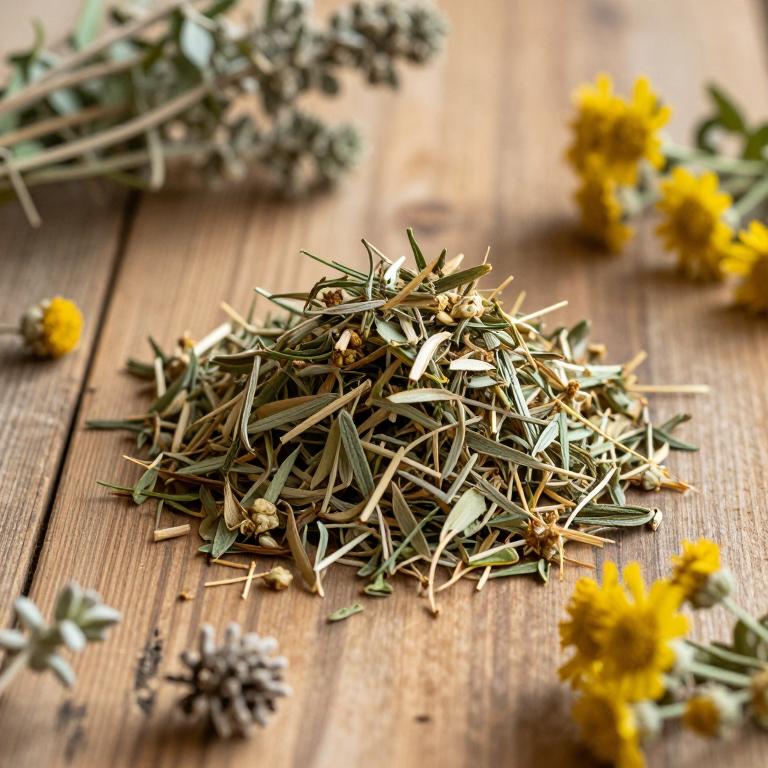
Helichrysum nudifolium is a versatile plant known for its diverse medicinal properties in traditional herbalism. Recent studies have focused on the therapeutic potential of this species, particularly regarding its efficacy in addressing headache symptoms. To harness its bioactive compounds, researchers frequently utilize ethanolic extracts to ensure high potency and stability. These alcohol-based preparations allow for a concentrated delivery of the plant's essential phytochemicals. Understanding the relationship between these extracts and pain relief offers promising insights for natural headache management.
- Synonyms
- Anaxeton Nudifolium · Euchloris Nudifolia · 2 more
- Common names
- Not available
- Family
- Asteraceae
- Distribution
- Africa
- Plant Parts
- Not available
Classification
Common Names
Helichrysum nudifolium is a versatile plant known by a diverse array of regional and traditional names. It is frequently referred to as Hottentot Tea Everlasting or simply Hottentot's Tea in various botanical circles. Depending on the local dialect, you might also encounter it being called Hottentotstee. Some cultures identify the species by its distinct name, Icholocholo. Additionally, it is recognized by the name Ludvutfane, showcasing the rich linguistic variety surrounding this plant.
Sources: Catalogue of Life (COL)
Synonyms
Helichrysum nudifolium is a botanical species that has been identified through several different scientific names over time. Due to shifting taxonomic classifications, it is recognized by the synonym Anaxeton nudifolium in certain historical records. Researchers also frequently encounter this plant under the label Euchloris nudifolia in various botanical studies. Furthermore, the species has been previously categorized as Gnaphalium nudifolium within older literature. Finally, the name Lepiscline nudifolia serves as another valid synonym used to describe this diverse plant.
Sources: The World Checklist of Vascular Plants (WCVP)
Taxonomy
Helichrysum nudifolium belongs to the vast kingdom Plantae, representing a diverse group of multicellular organisms. Within this biological kingdom, it is specifically classified under the class Equisetopsida. The plant further falls into the order Asterales, which connects it to a wide range of flowering species. As a member of the Asteraceae family, it shares characteristics with many well-known composite flowers. Finally, it is categorized under the genus Helichrysum, defining its unique botanical identity.
| Rank | Classification |
|---|---|
| Kingdom | Plantae |
| Phylum | Streptophyta |
| Class | Equisetopsida |
| Subclass | Magnoliidae |
| Order | Asterales |
| Family | Asteraceae |
| Genus | Helichrysum |
Sources: The World Checklist of Vascular Plants (WCVP)
Distribution
Geographic Regions
Helichrysum nudifolium is a plant species with a notable presence across various regions of the African continent. Its distribution spans much of East Tropical Africa, including established populations in Kenya, Tanzania, and Uganda. The species also extends into Northeast Tropical Africa, where it can be found growing in Ethiopia. Additionally, its range reaches into the Sudan-South Sudan region, showcasing its adaptability to diverse environments. This broad geographical spread highlights the plant's significant ecological footprint within these specific African territories.
Sources: The World Checklist of Vascular Plants (WCVP)
Identification
Morphology
Helichrysum nudifolium is a self-supporting herb that displays a versatile range of physical dimensions. This plant typically reaches a minimum height of 0.1 m, allowing it to occupy low-lying niches in its habitat. As it matures, it often establishes a more substantial presence with a minimum height of 0.8 m. For larger specimens, the growth can extend to a maximum height of 1.5 m. Such varying stature ensures that this species can adapt effectively to its environmental surroundings.
Sources: Global Inventory of Floras and Traits (GIFT)
Biological Activities
Compounds
Conditions
Helichrysum nudifolium is a medicinal plant traditionally used in Zulu medicine to treat both headaches and inflammatory diseases. Research indicates that its ethanolic extracts demonstrate high inhibitory activity against prostaglandin synthesis. Specifically, the plant showed significant potential as a cyclooxygenase inhibitor during in vitro testing. This activity supports its traditional application for managing pain and inflammation. Consequently, the extracts of this species are among the most effective at inhibiting the processes that cause these ailments.
Preparations
Helichrysum nudifolium is prepared as ethanolic extracts for screening purposes in medicinal research. These specific preparations were tested as part of a study involving Zulu medicinal plants used to treat inflammation and headaches. The research focused on evaluating how these ethanolic extracts function as prostaglandin-synthesis inhibitors. Within the context of the in vitro assays, this plant demonstrated significant inhibitory activity against cyclooxygenase. Consequently, the ethanolic extracts of Helichrysum nudifolium were identified among the most effective substances for obtaining high levels of inhibition.