Helichrysum melaleucum
Helichrysum melaleucum · Accepted scientific name
Scientific literature: Very Sparse (0 studies) · ★☆☆☆☆
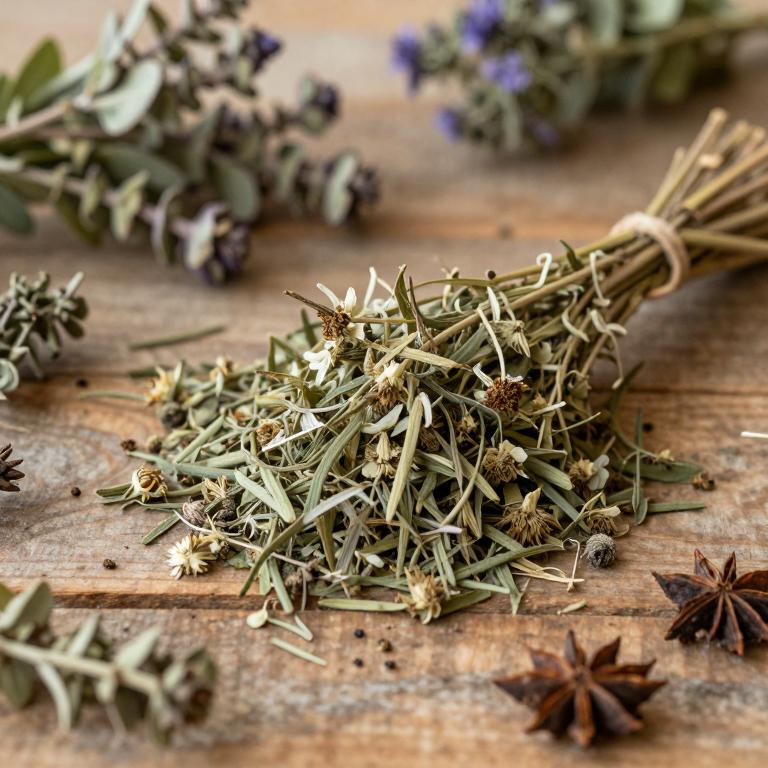
Helichrysum melaleucum is a versatile botanical species known for its diverse range of bioactive compounds. The plant's leaves, stems, and flowers contain significant concentrations of lignans, such as pinoresinol, as well as caffeic acid and various polyphenols. These chemical constituents contribute to the plant's reputation in traditional and modern medicinal applications. Specifically, it is often studied for its potential therapeutic effects in managing different respiratory diseases. Understanding the relationship between its chemical profile and health benefits offers valuable insights into its medicinal utility.
- Synonyms
- Not available
- Common names
- Not available
- Family
- Asteraceae
- Distribution
- Not available
- Plant Parts
- Flower · Leaf
Classification
Common Names
Helichrysum melaleucum is a fascinating plant known to many by its common Finnish name, silmäolkikukka. This species belongs to a unique group of flowering plants often admired for their distinct textures and aromatic qualities. In various botanical circles, understanding its local nomenclature helps gardeners connect more deeply with the natural landscape. The silmäolkikukka serves as a beautiful example of how specific regional names can enrich our appreciation for biodiversity. By learning these relationships, enthusiasts can better identify and nurture this charming variety in their own collections.
Sources: Catalogue of Life (COL)
Taxonomy
Helichrysum melaleucum is a distinctive botanical species belonging to the kingdom Plantae. Within this vast kingdom, it is classified under the class Equisetopsida. It further resides in the order Asterales, showcasing its specific evolutionary placement. As a member of the genus Helichrysum, it displays unique morphological traits characteristic of its lineage. Finally, this plant is a proud representative of the diverse Asteraceae family.
| Rank | Classification |
|---|---|
| Kingdom | Plantae |
| Phylum | Streptophyta |
| Class | Equisetopsida |
| Subclass | Magnoliidae |
| Order | Asterales |
| Family | Asteraceae |
| Genus | Helichrysum |
Sources: The World Checklist of Vascular Plants (WCVP)
Distribution
Geographic Regions
Helichrysum melaleucum is a distinctive plant species with a widespread geographical presence. Its natural distribution spans across various regions of Africa, showcasing its adaptability to different climates. Furthermore, the plant is commonly found throughout the Macaronesia archipelago, highlighting its importance in island ecosystems. Within this range, it holds a particularly notable presence in Madeira, where it thrives in specific local habitats. Understanding these diverse locations provides valuable insight into the ecological connections of this unique species.
Sources: The World Checklist of Vascular Plants (WCVP)
Identification
Biological Activities
Compounds
Helichrysum melaleucum is a medicinal plant traditionally utilized in the Macaronesia region for treating respiratory ailments. Detailed chemical analyses reveal that this species contains a diverse array of phenolic compounds, including various polyphenols. Specifically, the plant is characterized by the presence of lignans and the specific compound pinoresinol. Furthermore, researchers have identified the presence of essential acids such as caffeic acid and quinic acid within its composition. These chemical markers are significant for distinguishing between different geographical varieties of the plant.
Conditions
Helichrysum melaleucum is a medicinal plant traditionally utilized in the Macaronesia region to treat respiratory diseases. Researchers have focused on characterizing its complex chemical profile, specifically identifying numerous phenolic compounds through advanced chromatography and mass spectrometry. These bioactive constituents include various derivatives of flavonoids, lignans, and polyphenols found within different parts of the plant. The flowers were identified as containing the highest variety of these compounds, which may contribute to the plant's therapeutic properties. Understanding these chemical compositions provides a foundation for further investigating how different samples can be used for their medicinal bioactivities.
Preparations
Parts used
Helichrysum melaleucum is a medicinal plant traditionally utilized in the Macaronesia region for treating respiratory diseases. Scientific analysis of this species involves examining its various morphological parts to understand its chemical makeup. Specifically, researchers have extracted and analyzed the phenolic compounds found within the leaves, flowers, and stems. Among these components, the flowers were identified as having the highest variety of phenolic compounds. This detailed study of the plant's different structures helps provide a clearer picture of its complex chemical profile.