Helichrysum litoreum
Helichrysum litoreum · Accepted scientific name
Scientific literature: Very Extensive (241 studies) · ★★★★★
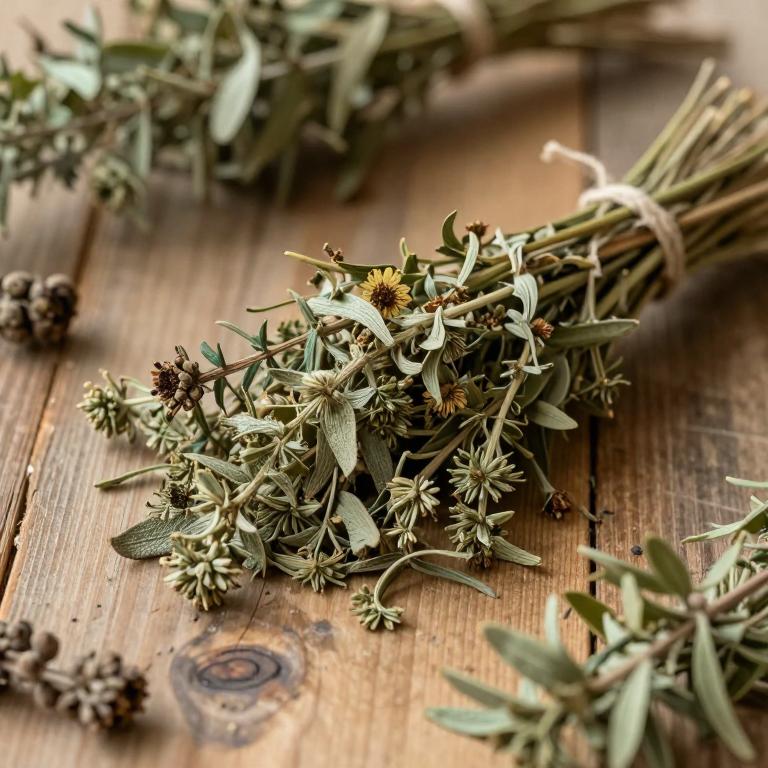
, scientifically known as Helichrysum litoreum, is a remarkable perennial herb prized for its therapeutic properties. Often found in coastal regions, this plant is rich in essential oils and antioxidants. It is widely utilized in traditional medicine to soothe skin inflammations, support respiratory health, and promote overall wellness.
- Family
- Not available
- Native range
- Europe
- Parts used
- Not available
- Common names
- Not available
- Scientific synonyms
- Not available
Names and Synonyms
Scientific Names
Accepted name
Helichrysum litoreumSources: Wikidata
Distribution
This plant exhibits a specific geographical distribution centered within the Mediterranean region. It is primarily found throughout Southeastern Europe, where it thrives in particular coastal environments. Specifically, one notable location for its occurrence is Italy. Furthermore, the species is well-documented across the island of Sicilia. These concentrated areas highlight the plant's preference for the unique climates of these Mediterranean territories.
| Region | Area |
|---|---|
| Southeastern Europe | Italy |
| Southeastern Europe | Sicilia |
Sources: The World Checklist of Vascular Plants (WCVP)
Botanical Identification
Life history
The life history of Helichrysum litoreum is characterized by a perennial lifecycle, allowing the plant to persist through multiple growing seasons within its habitat. In terms of its structural growth strategy, it is classified as a chamaephyte, a life form where the majority of the vegetative organs are located close to the soil surface, often protected by the ground layer or leaf litter. This chamaephyte designation is consistent across its morphological classification, indicating a low-growing habit that is well-adapted to its specific environmental conditions.
- Life form :
- chamaephyte
- Lifecycle :
- perennial
Morphology
The morphology of Helichrysum litoreum is characterized by a growth habit that is primarily terrestrial, functioning as an independent organism rather than an epiphyte. In terms of its structural support, it is classified as a self-supporting plant, lacking the specialized climbing mechanisms required for obligatory or facultative climbing behaviors. Furthermore, it maintains a completely independent life cycle, showing no parasitic tendencies toward other vegetation.
- Climber :
- self-supporting
- Epiphyte :
- terrestrial
- Parasite :
- independent
Sources: Global Inventory of Floras and Traits (GIFT)
Chemicals
Helichrysum litoreum has 22 reported phytochemicals identified across 0 scientific publications and several other databases. The most consistently reported chemicals include 2,4-Dimethylheptan-3,5-dione, 5,7-dimethoxyphthalide, Alcohols, BETA-PINENE, BETA-SITOSTEROL.
| Chemical | Supporting sources | Consensus |
|---|---|---|
| 2,4-Dimethylheptan-3,5-dione | 1 supporting sources | ★☆☆☆☆ |
| 5,7-dimethoxyphthalide | 1 supporting sources | ★☆☆☆☆ |
| Alcohols | 1 supporting sources | ★☆☆☆☆ |
| BETA-PINENE | 1 supporting sources | ★☆☆☆☆ |
| BETA-SITOSTEROL | 1 supporting sources | ★☆☆☆☆ |
| D-alpha-PINENE | 1 supporting sources | ★☆☆☆☆ |
| EO | 1 supporting sources | ★☆☆☆☆ |
| Esters | 1 supporting sources | ★☆☆☆☆ |
| Gnaphaliin | 1 supporting sources | ★☆☆☆☆ |
| ISOVALERIC ACID | 1 supporting sources | ★☆☆☆☆ |
2,4-Dimethylheptan-3,5-dione
- Dr. Duke
5,7-dimethoxyphthalide
- Dr. Duke
Alcohols
- Dr. Duke
BETA-PINENE
- Dr. Duke
BETA-SITOSTEROL
- Dr. Duke
D-alpha-PINENE
- Dr. Duke
EO
- Dr. Duke
Esters
- Dr. Duke
Gnaphaliin
- Dr. Duke
ISOVALERIC ACID
- Dr. Duke
Activities
Helichrysum litoreum has 216 reported activities identified across 0 scientific publications and several other databases. The most consistently reported activities include Acaricide, Acidulant, Aldose-Reductase-Inhibitor, Allergenic, Analgesic.
| Activity | Supporting sources | Consensus |
|---|---|---|
| Acaricide | 1 supporting sources | ★☆☆☆☆ |
| Acidulant | 1 supporting sources | ★☆☆☆☆ |
| Aldose-Reductase-Inhibitor | 1 supporting sources | ★☆☆☆☆ |
| Allergenic | 1 supporting sources | ★☆☆☆☆ |
| Analgesic | 1 supporting sources | ★☆☆☆☆ |
| Androgenic | 1 supporting sources | ★☆☆☆☆ |
| Anesthetic | 1 supporting sources | ★☆☆☆☆ |
| Angiogenic | 1 supporting sources | ★☆☆☆☆ |
| Anorexic | 1 supporting sources | ★☆☆☆☆ |
| AntiEBV | 1 supporting sources | ★☆☆☆☆ |
Acaricide
- Dr. Duke
Acidulant
- Dr. Duke
Aldose-Reductase-Inhibitor
- Dr. Duke
Allergenic
- Dr. Duke
Analgesic
- Dr. Duke
Androgenic
- Dr. Duke
Anesthetic
- Dr. Duke
Angiogenic
- Dr. Duke
Anorexic
- Dr. Duke
AntiEBV
- Dr. Duke
Conditions
Helichrysum litoreum has 1 reported investigations on conditions identified across 0 scientific publications and several other databases. The most consistently reported conditions include herpes simplex virus type 1.
| Condition | Supporting sources | Consensus |
|---|---|---|
| Herpes simplex virus type 1 | 1 supporting sources | ★☆☆☆☆ |
Herpes simplex virus type 1
- Bollettino chimico farmaceutico
Preparations
Helichrysum litoreum has 1 reported preparations identified across 0 scientific publications and several other databases. The most consistently reported preparations include crude aqueous extract from leaves.
| Preparation | Supporting sources | Consensus |
|---|---|---|
| Crude aqueous extract from leaves | 1 supporting sources | ★☆☆☆☆ |
Crude aqueous extract from leaves
- Bollettino chimico farmaceutico