Helichrysum caespititium
Helichrysum caespititium · Accepted scientific name
Scientific literature: Very Sparse (2 studies) · ★☆☆☆☆
Helichrysum caespititium is a botanical species that has garnered scientific interest due to its diverse pharmacological potential. Research focusing on the non-polar chloroform extract of its leaves has revealed significant biological activities. Specifically, the plant has demonstrated notable antimicrobial properties that may aid in combating various pathogens. Furthermore, studies have explored its application in managing conditions such as Diabetes Mellitus. Interestingly, the plant is also being investigated for its potential role in contraceptive activities.
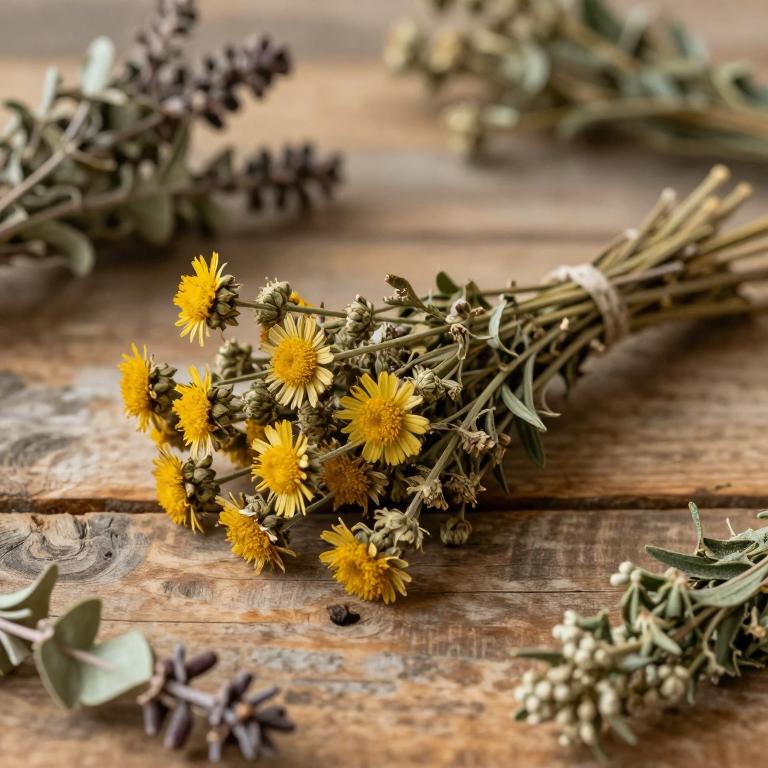
- Synonyms
- Helichrysum Lineare Var. Caespititium
- Common names
- Not available
- Family
- Asteraceae
- Distribution
- Not available
- Plant Parts
- Leaf
Classification
Common Names
Helichrysum caespititium is a distinctive plant that is recognized by several different names depending on the region. It is widely known by the charming common name Snowball Everlasting due to its unique floral appearance. In certain areas, enthusiasts also refer to this species as the speelwonderboom. These various monikers highlight the plant's diverse presence within botanical circles. Understanding these names helps gardeners and botanists easily identify this striking everlasting variety.
Sources: Catalogue of Life (COL)
Synonyms
Helichrysum caespititium is a botanical species that is frequently identified by its alternative classification. Within various scientific texts, this plant is also recognized by the synonym Helichrysum lineare var. caespititium. This nomenclatural relationship highlights the complex ways in which botanical varieties are categorized across different studies. Understanding these overlapping names is essential for researchers seeking to maintain taxonomic accuracy. Therefore, recognizing both designations ensures that the plant is correctly identified in any botanical context.
Sources: The World Checklist of Vascular Plants (WCVP)
Taxonomy
Helichrysum caespititium belongs to the vast kingdom Plantae, serving as a prime example of botanical diversity. Within this kingdom, the species is classified under the class Equisetopsida. It further falls into the order Asterales, a group known for its distinct structural characteristics. As a member of the family Asteraceae, it shares lineage with many well-known flowering plants. Ultimately, this species is defined by its placement within the specific genus Helichrysum.
| Rank | Classification |
|---|---|
| Kingdom | Plantae |
| Phylum | Streptophyta |
| Class | Equisetopsida |
| Subclass | Magnoliidae |
| Order | Asterales |
| Family | Asteraceae |
| Genus | Helichrysum |
Sources: The World Checklist of Vascular Plants (WCVP)
Distribution
Geographic Regions
Helichrysum caespititium is a resilient plant species with a broad geographical distribution spanning various regions across the African continent. It is notably found throughout Southern Africa, including the Cape Provinces and the Free State. The species also thrives in the subtropical landscapes of Eswatini and KwaZulu-Natal. Beyond these southern reaches, its presence extends into the tropical areas of Zimbabwe. This wide-ranging habitat demonstrates the plant's ability to adapt to diverse ecological environments within Africa.
Sources: The World Checklist of Vascular Plants (WCVP)
Identification
Morphology
Helichrysum caespititium is a distinctive herb characterized by its unique growth form. This species is entirely self-supporting, allowing it to maintain its structure within its natural habitat. It is notably diminutive in stature, maintaining a consistent height of approximately 0.01 m. This minimal size ensures that the plant remains low to the ground throughout its life cycle.
Sources: Global Inventory of Floras and Traits (GIFT)
Biological Activities
Helichrysum caespititium is a medicinal plant indigenous to South Africa that demonstrates diverse pharmacological potential. Recent studies have highlighted its significant antimicrobial properties, particularly through the isolation of the diterpene lactone CF6 from its non-polar extracts. This specific compound has shown effectiveness in inhibiting various pathogens, including Neisseria gonorrhoeae and Staphylococcus aureus. Beyond its antimicrobial capabilities, the plant also plays a role in traditional reproductive medicine. When utilized as part of a herbal mixture, H. caespititium leaves have been evaluated for their contraceptive efficacy in experimental models.
Compounds
Conditions
Helichrysum caespititium exhibits significant antimicrobial and antigonorrheal activity, specifically through the isolation of a diterpene lactone that targets multi-drug resistant pathogens. This plant also demonstrates antibiofilm properties by preventing cell attachment and inhibiting quorum sensing in various bacterial species. Furthermore, Helichrysum caespititium is utilized as part of a herbal mixture in traditional South African practices for the purpose of contraception. In the Limpopo Province, Bapedi healers also frequently employ this species as a medicinal plant to treat diabetes mellitus.
Preparations
Helichrysum caespititium is prepared as a non-polar chloroform extract to isolate its medicinal properties. This specific extraction process was utilized to identify the diterpene lactone known as CF6 from the plant's aerial parts. The resulting chloroform extract demonstrates significant antimicrobial and antigonorrheal activities against various pathogens. By utilizing this non-polar solvent, researchers successfully isolated a compound capable of inhibiting quorum sensing and biofilm formation. Consequently, the use of chloroform to prepare Helichrysum caespititium extracts is essential for uncovering potential drug candidates against multi-drug resistant bacteria.
Parts used
Helichrysum caespititium serves as a vital component in a traditional herbal mixture used for contraception by the Batswana people of South Africa. In this specific medicinal preparation, the leaves of the plant are utilized to create an aqueous extract alongside other botanical ingredients. Researchers analyzed this mixture using gas chromatography-mass spectrometry to identify its complex phytochemical profile. While the study evaluated the safety and efficacy of the extract in animal models, the results indicated that the blend was generally safe at tested doses. Ultimately, the inclusion of Helichrysum caespititium leaves contributes to a traditional practice that warrants further scientific investigation regarding its hormonal impact.