Helianthus angustifolius
Helianthus angustifolius · Accepted scientific name
Scientific literature: Very Sparse (1 studies) · ★☆☆☆☆
, scientifically known as Helianthus angustifolius, is a resilient perennial wildflower native to North American prairies. Characterized by its narrow leaves and vibrant yellow blooms, this species plays a vital role in supporting local pollinators. Its unique botanical properties make it a subject of interest in traditional herbal studies.
- Family
- Not available
- Native range
- Asia-Tropical
- Parts used
- Flower
- Common names
- Not available
- Scientific synonyms
- Not available
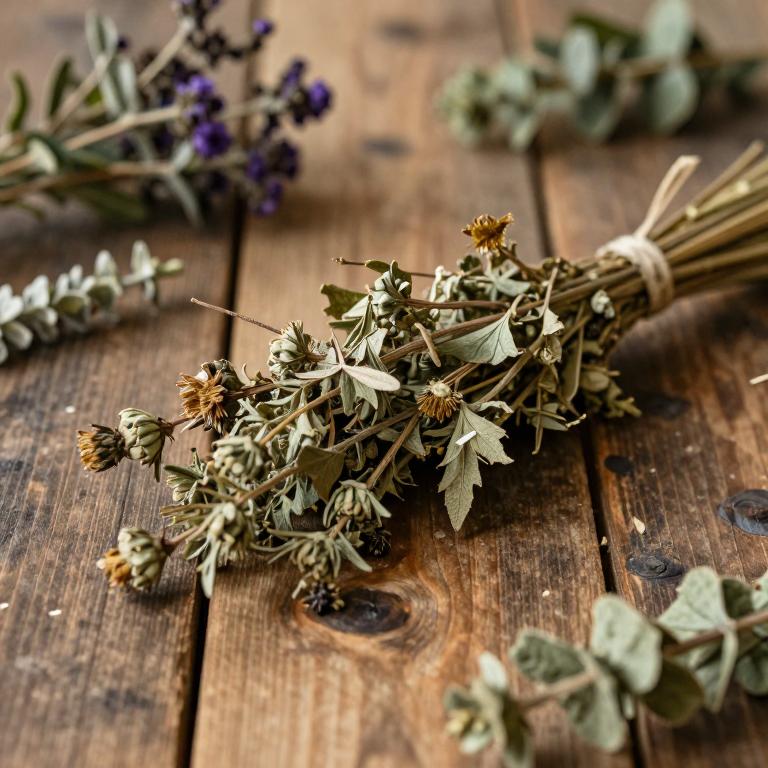
Names and Synonyms
Scientific Names
Accepted name
Helianthus angustifoliusDistribution
This plant exhibits a diverse and fragmented geographical distribution spanning multiple continents. In the United States, its presence is noted across several states in the North-Central region, specifically within Iowa, Missouri, and Oklahoma. Additionally, it can be found in the Northeastern part of the country in Indiana. Moving beyond North America, the species also has a documented range in the Malesian region. Specifically, its occurrence is recorded on the island of Jawa.
| Region | Area |
|---|---|
| Malesia | Jawa |
| North-Central U.S.A. | Iowa |
| North-Central U.S.A. | Missouri |
| North-Central U.S.A. | Oklahoma |
| Northeastern U.S.A. | Indiana |
| Northeastern U.S.A. | New Jersey |
| Northeastern U.S.A. | New York |
| Northeastern U.S.A. | Ohio |
| Northeastern U.S.A. | Pennsylvania |
| Northeastern U.S.A. | West Virginia |
Sources: The World Checklist of Vascular Plants (WCVP)
Botanical Identification
Life history
The life history of Helianthus angustifolius is characterized by its status as a perennial organism, meaning it lives for more than two years and undergoes multiple seasonal cycles of growth and dormancy. Throughout its lifespan, the plant establishes a persistent root system that allows it to survive unfavorable conditions and regrow during favorable seasons. Its development follows a cyclic pattern where it emerges from its perennial base to produce foliage and eventually develop reproductive structures. Depending on environmental stability and resource availability, its life cycle can exhibit variability, but its fundamental biological strategy is centered on long-term survival and repeated reproductive efforts rather than the single-season cycle seen in annuals.
- Lifecycle :
- perennial
Morphology
The morphology of Helianthus angustifolius is characterized by a growth form classified as both a herb and a forb, exhibiting a non-woody structure. It is a self-supporting plant that does not function as a climber or a liana, reaching an average plant height of approximately 1.7 m. This species is strictly terrestrial in its habitat, functioning as an independent organism rather than a parasite or an epiphyte.
- Aquatic :
- terrestrial
- Climber :
- self-supporting
- Epiphyte :
- terrestrial
- Growth form :
- herb
- Growth form :
- forb
- Parasite :
- independent
- Plant height mean:
- 1.7 m
- Woodiness :
- non-woody
Reproduction
Reproduction in Helianthus angustifolius is primarily achieved through the production of seeds contained within its flowering structures, which follow a typical angiosperm reproductive cycle. The plant undergoes sexual reproduction facilitated by pollination, leading to the development of seeds that serve as the primary unit for dispersal and new growth. A key morphological characteristic of its progeny is the physical scale of the individual seeds; specifically, the seed mass exhibits a mean value of 9e-04 g. This lightweight seed structure is an essential component of its reproductive strategy, influencing how the seeds are distributed across the landscape to colonize new habitats.
- Seed mass mean:
- 9e-04 g
Sources: Global Inventory of Floras and Traits (GIFT)
Plant Parts
Helianthus angustifolius has 1 reported plant parts identified across 1 scientific publications and several other databases that are studied for medicinal purposes. The most consistently reported plant part include flower.
| Plant part | Supporting sources | Consensus |
|---|---|---|
| Flower | 1 supporting sources | ★☆☆☆☆ |
Flower
- Planta medica