Helianthemum ruficomum
Helianthemum ruficomum · Accepted scientific name
Scientific literature: Very Sparse (1 studies) · ★☆☆☆☆
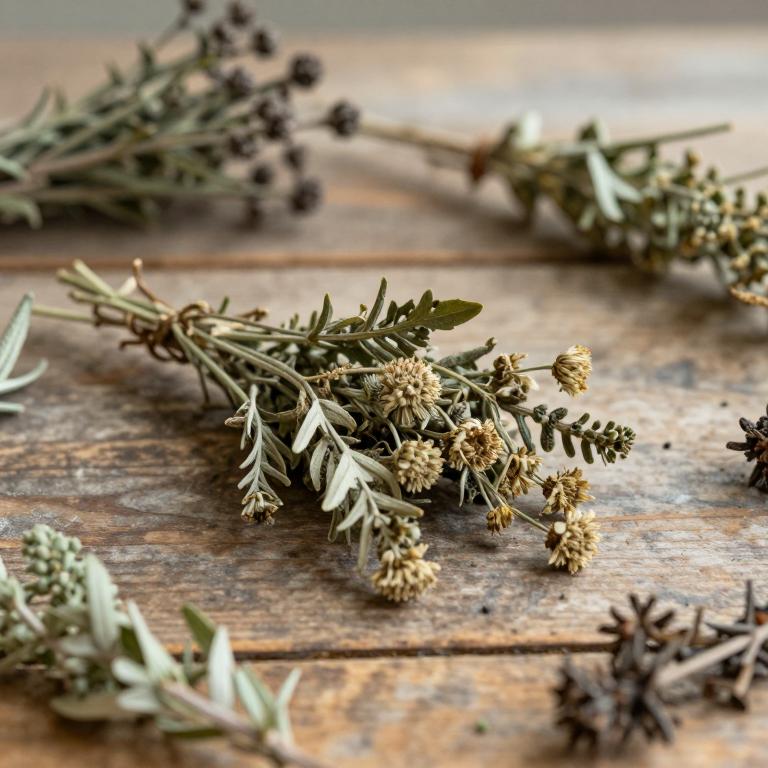
Helianthemum ruficomum is a botanical species that has gained scientific interest due to its significant antioxidant activities. Research focuses on various preparations, including the aerial parts processed into 80% EtOH/H₂O, EtOAc, and n-BuOH extracts. Detailed chemical analyses of these extracts have identified key bioactive compounds such as astragalin, lavandoside, narcissin, and nicotiflorin. By studying the remaining extract, researchers aim to fully characterize the plant's complex chemical profile. These findings highlight the potential therapeutic value offered by the diverse phytochemical constituents of this species.
- Synonyms
- Cistus Ruficomus · Helianthemum Desertorum · 9 more
- Common names
- Not available
- Family
- Cistaceae
- Distribution
- Not available
- Plant Parts
- Not available
Classification
Synonyms
Helianthemum ruficomum is a species characterized by a complex taxonomic history involving several botanical synonyms. Scientific literature frequently identifies this plant under the alternative name Cistus ruficomus. Depending on the classification system used, it may also be referred to as Helianthemum bergevinii or Helianthemum desertorum. Furthermore, the species has been associated with the designation Helianthemum eremophilum in various studies. It is also recognized in some contexts as the specific subspecies Helianthemum hirtum subsp. bergevinii.
Sources: The World Checklist of Vascular Plants (WCVP)
Taxonomy
Helianthemum ruficomum is a unique organism that belongs to the vast kingdom Plantae. Within this biological kingdom, it is classified under the class Equisetopsida. This plant is further organized into the order Malvales, showcasing its evolutionary connections. It is a member of the Cistaceae family, which helps define its specific botanical characteristics. Finally, its precise scientific identity is established within the genus Helianthemum.
| Rank | Classification |
|---|---|
| Kingdom | Plantae |
| Phylum | Streptophyta |
| Class | Equisetopsida |
| Subclass | Magnoliidae |
| Order | Malvales |
| Family | Cistaceae |
| Genus | Helianthemum |
Sources: The World Checklist of Vascular Plants (WCVP)
Distribution
Geographic Regions
Helianthemum ruficomum is a plant species primarily found within the diverse landscapes of North Africa. Its geographic range spans several key countries, including Algeria and Libya. Furthermore, this species is well-established across the territories of Morocco and Tunisia. By occupying these specific regions, the plant plays a distinct role in the local ecosystems of the African continent. This widespread presence across Northern Africa highlights its adaptability to the regional environment.
Sources: The World Checklist of Vascular Plants (WCVP)
Identification
Biological Activities
Helianthemum ruficomum is an endemic species from the northern Sahara that has recently been studied for its significant medicinal potential. Recent investigations into its chemical composition have revealed that the plant possesses a remarkable radical scavenging capacity. Through various extraction methods and advanced assays, researchers identified several key compounds that contribute to its biological effectiveness. Specifically, the study demonstrated that both the extracts and several isolated components exhibit high antioxidant activity. These findings highlight the plant's value as a source of potent antioxidant agents for potential therapeutic use.
Compounds
Helianthemum ruficomum is a medicinal plant endemic to the northern Sahara that possesses a rich chemical profile. Recent investigations into its aerial parts have successfully isolated several key bioactive compounds. Specifically, the plant was found to contain astragalin, lavandoside, and nicotiflorin. Additionally, spectroscopic analyses confirmed the presence of picein and narcissin within the species. These identified components contribute to the high antioxidant potential observed in the plant's extracts.
Conditions
Helianthemum ruficomum demonstrates a significant ability to treat free radical scavenging capacity through its diverse chemical composition. Researchers evaluated various extracts of this endemic species, specifically the ethyl acetate and n-butanol fractions, to measure their antioxidant potential. Using advanced assays such as HPLC-ABTS, TEAC, and ORAC, the study confirmed that the plant possesses high radical scavenging activity. Several isolated components, including protocatechuic acid and astragalin, were identified as key contributors to this antioxidant power. Ultimately, the findings highlight the plant's effectiveness in neutralizing free radicals via its concentrated phytochemicals.
Preparations
Helianthemum ruficomum aerial parts were collected from Mougheul to undergo chemical investigation. These parts were first macerated using an 80% EtOH/H₂O solution. Following the evaporation process, the remaining extract was further processed through various solvents. Specifically, EtOAc and n-BuOH extracts were prepared for evaluation of their free radical scavenging capacity.