Helianthemum polygonoides
Helianthemum polygonoides · Accepted scientific name
Scientific literature: Very Sparse (1 studies) · ★☆☆☆☆
Helianthemum polygonoides, scientifically known as Helianthemum polygonoides, is a resilient medicinal shrub native to arid regions. Renowned for its therapeutic properties, this plant is traditionally utilized in various folk medicines to treat skin ailments, inflammations, and digestive issues, offering significant potential for modern pharmacological research and development.
- Family
- Cistaceae
- Native range
- Europe
- Parts used
- Not available
- Common names
- Not available
- Scientific synonyms
- Not available
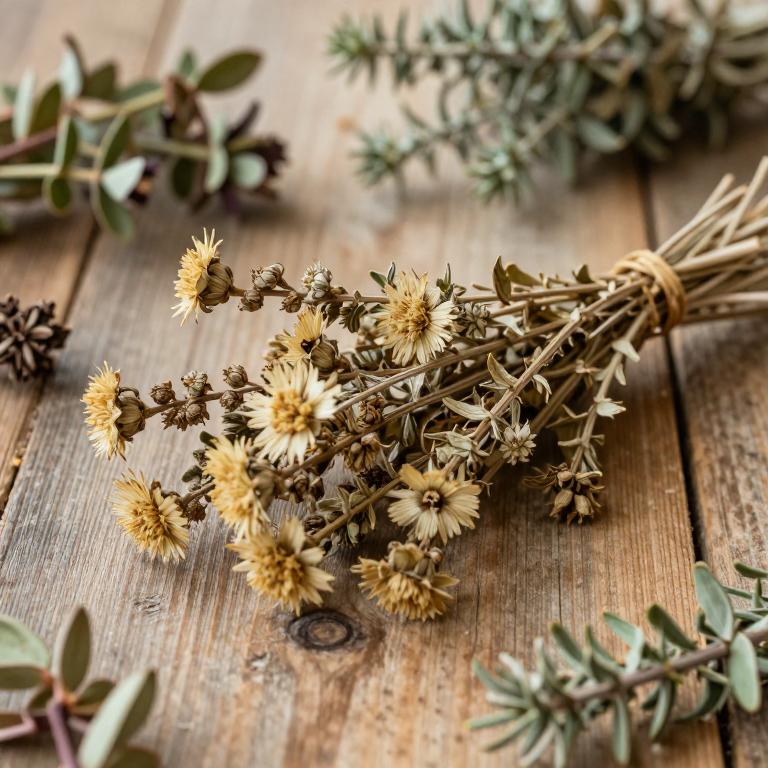
Names and Synonyms
Scientific Names
Accepted name
Helianthemum polygonoidesSources: Wikidata
Taxonomical Classification
This plant belongs to the kingdom Plantae and is classified under the phylum Streptophyta within the class Equisetopsida. Following the subclass Magnoliidae, it falls under the order Malvales and the family Cistaceae. Finally, its taxonomic hierarchy concludes with its placement in the genus Helianthemum.
| Rank | Classification |
|---|---|
| Kingdom | Plantae |
| Phylum | Streptophyta |
| Class | Equisetopsida |
| Subclass | Magnoliidae |
| Order | Malvales |
| Family | Cistaceae |
| Genus | Helianthemum |
Sources: The World Checklist of Vascular Plants (WCVP)
Distribution
This plant is specifically documented within a very limited geographical range. Its occurrence is restricted to the region of Southwestern Europe. Within this area, it can be found inhabiting the landscapes of Spain. This narrow distribution suggests that the species may have very specific environmental requirements. Consequently, its presence is highly localized to this particular part of the continent.
| Region | Area |
|---|---|
| Southwestern Europe | Spain |
Sources: The World Checklist of Vascular Plants (WCVP)
Botanical Identification
Life history
The life history of Helianthemum polygonoides is characterized by its status as a perennial plant, allowing it to persist in its habitat through multiple growing seasons. As a perennial species, it maintains a continuous presence in its ecosystem, often developing established root systems that support regrowth after periods of dormancy or environmental stress. This long-lived life cycle enables the plant to participate in multiple reproductive events over its lifespan, contributing to its long-term survival and stability within its specific ecological niche.
- Lifecycle :
- perennial
Sources: Global Inventory of Floras and Traits (GIFT)
Chemicals
Helianthemum polygonoides has 1 reported phytochemicals identified across 0 scientific publications and several other databases. The most consistently reported chemicals include Flavonoids.
| Chemical | Supporting sources | Consensus |
|---|---|---|
| Flavonoids | 1 supporting sources | ★☆☆☆☆ |
Flavonoids
- Journal of ethnopharmacology